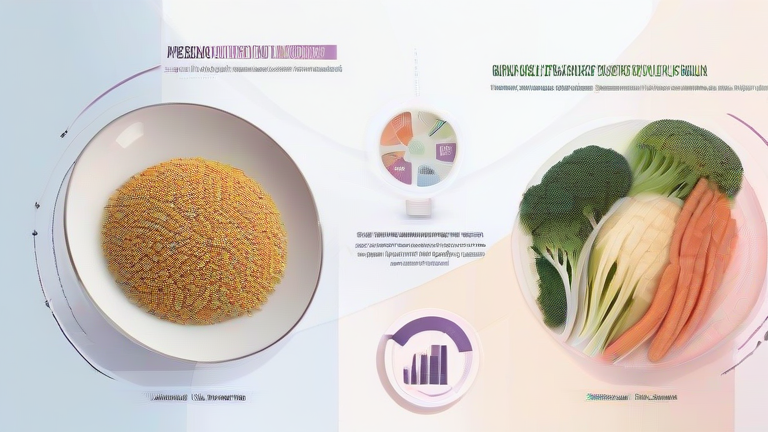
Personalized Nutrition: Data-Driven Gut Microbiome Insights
The landscape of human health is undergoing a radical transformation, shifting away from one-size-fits-all dietary guidelines toward hyper-personalized nutritional strategies. At the forefront of this revolution is the gut microbiome, the complex ecosystem of trillions of microorganisms residing in our digestive tracts. Recent advancements in genomic sequencing and artificial intelligence have unlocked the ability to decode these microbial signatures, offering unprecedented insights into how individual biology responds to specific foods. This data-driven approach promises to revolutionize preventive healthcare, moving us from reactive treatment to proactive wellness management.
Latest developments in this field are staggering. Companies are now deploying next-generation sequencing technologies that can identify bacterial species with near-perfect accuracy. By analyzing stool samples alongside continuous glucose monitor data, researchers can map how an individual’s unique microbiome influences blood sugar spikes after consuming identical meals. For instance, two people eating the same banana might experience vastly different glycemic responses due to differences in their microbial composition. New algorithms now predict these responses with over eighty percent accuracy, allowing for the creation of dynamic dietary plans that adapt in real-time. These systems do not just recommend what to eat; they explain why certain foods work for you and not for your neighbor.
If you want to dig deeper, check out our guide on Digital Detox Retreats Surge in Popularity: Why They’re Tren.

The technical specifications powering this industry are equally impressive. Modern microbiome kits utilize metagenomic shotgun sequencing rather than older 16S rRNA methods, providing strain-level resolution. This granularity allows scientists to distinguish between beneficial and pathogenic strains of the same bacteria. Furthermore, the integration of multi-omics data—combining genomics, proteomics, and metabolomics—creates a holistic view of health. Cloud-based platforms process this massive dataset using machine learning models trained on millions of user profiles, ensuring that recommendations are both scientifically robust and practically applicable. The latency between sample collection and actionable insight has dropped from weeks to days, making the feedback loop fast enough to influence daily habits effectively.
The industry impact is profound. The global personalized nutrition market is projected to exceed fifty billion dollars by 2027, driven by consumer demand for
Leave a Reply