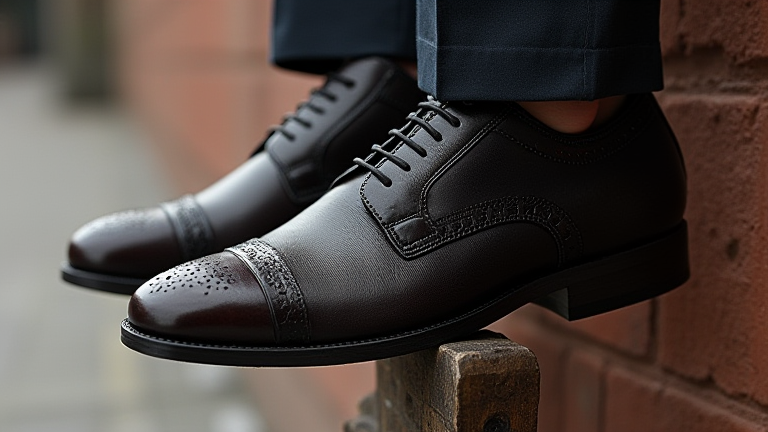
TL;DR: The $200 cordovan dress shoes offer exceptional value and durability, challenging the traditional perception that premium leather requires a three-figure price tag. While they lack the hand-stitched nuances of luxury brands, their robust construction and timeless aesthetic make them a compelling entry point for BIFL enthusiasts.
The Rise of Accessible Luxury
In the rapidly evolving footwear industry, the barrier to entry for high-quality dress shoes has never been lower. For years, the consensus among enthusiasts was that “good leather” began at $300 and extended into the thousands. However, recent manufacturing advancements in Southeast Asia and South America have disrupted this hierarchy. Brands are now utilizing automated cutting and precision stitching to reduce labor costs without compromising material integrity. This shift has allowed consumers to acquire full-grain shell cordovan or high-grade calfskin at price points previously reserved for synthetic blends or lower-tier leathers.
If you want to dig deeper, check out our guide on Best Noise-Canceling Headphones for Work 2024.
Technical Specifications and Build Quality
At the heart of this $200 offering is the material selection. Shell cordovan, derived from the flat muscle fiber beneath the hide of a horse, is renowned for its density and inability to crease in the same way cowhide does. Instead of deep wrinkles, it develops a subtle pull-up effect that adds character over time. At this price point, manufacturers often use a hybrid approach: genuine shell cordovan panels paired with high-quality calfskin uppers to manage costs. The construction typically features a Goodyear welt, a method that allows for multiple resoles, significantly extending the lifespan of the shoe. This is a critical differentiator from cemented construction, which is common in cheaper alternatives and leads to premature failure.
The sole unit is another area of innovation. Many modern $200 shoes now come equipped with hybrid soles that combine the aesthetic appeal of leather with the shock absorption and water resistance of rubber or TPU. This development addresses one of the traditional drawbacks of dress shoes: poor traction and durability on wet pavement. The outsole is often molded to mimic the grain of traditional leather, maintaining a sleek profile while providing functional grip. Additionally, the interior lining has improved, with many brands opting for breathable, moisture-wicking materials that reduce odor and enhance comfort during long periods of wear.
Industry Impact and Consumer Behavior
The success of these mid-tier offerings is forcing luxury houses to reconsider their pricing strategies. Consumers are becoming more educated, utilizing online forums and detailed reviews to dissect construction methods and material sources. This transparency has reduced the premium placed on brand heritage alone. Instead, value is now determined by tangible metrics: stitch count, leather grade, and resoleability. The “Buy It For Life” (BIFL) community has played a pivotal role in this trend, promoting minimalism and longevity over fast fashion. As a result, retailers are shifting inventory toward versatile, durable styles that can transition from office to evening wear seamlessly.
Furthermore, the environmental impact of this shift cannot be overlooked. Durable shoes that last a decade or more reduce the waste associated with disposable footwear. The industry is beginning to respond with more sustainable sourcing practices, although greenwashing remains a concern. Consumers are increasingly demanding transparency regarding supply chains, pushing brands to adopt ethical labor practices and eco-friendly tanning processes. This $200 segment is leading the charge, proving that affordability and sustainability can coexist.
FAQ
Q: Are these shoes suitable for formal black-tie events?
A: While they are dress shoes, shell cordovan is typically associated with business casual or smart casual attire. For strict black-tie events, traditional patent leather or highly polished black calfskin is more appropriate.
Q: How long will the Goodyear welt last with regular wear?
A: With proper care and regular resoling every three to five years, a Goodyear-welted shoe can last 10 to 20 years, making it a true BIFL investment.
Q: Is there a significant break-in period for cordovan leather?
A: Yes, shell cordovan is known for
Leave a Reply