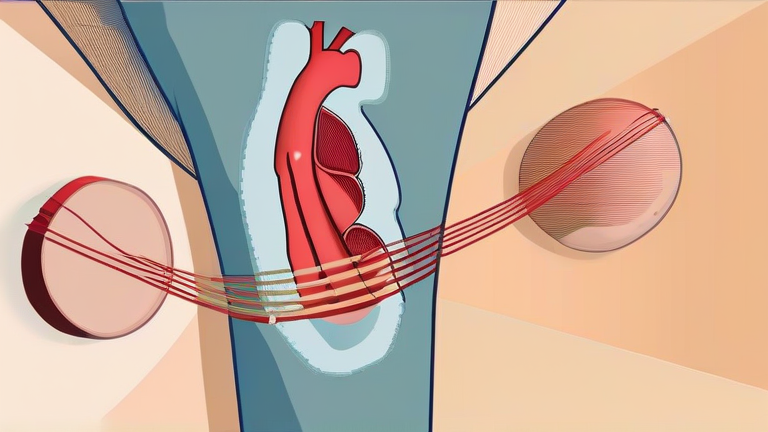
TL;DR: Abdominal fat is a more accurate predictor of heart disease risk than BMI because it reflects visceral fat accumulation, which is metabolically active and harmful. This shift highlights the limitations of standard weight metrics and emphasizes the need for targeted waist circumference measurements in clinical assessments.
The Limitations of BMI
For decades, Body Mass Index (BMI) has served as the primary screening tool for obesity-related health risks. However, the medical community is increasingly recognizing that BMI is a blunt instrument. It fails to distinguish between muscle mass and fat mass, nor does it account for where fat is stored on the body. This oversight has significant implications for cardiovascular health, leading to misclassification of healthy individuals as at-risk and, more dangerously, missing high-risk individuals who appear normal by weight standards. The rise of precision medicine demands more nuanced metrics, and recent data strongly supports abdominal circumference as a superior indicator.
If you want to dig deeper, check out our guide on Best Leather Conditioning & Recoloring Balms: Top Product Re.
The Visceral Fat Danger
Visceral fat, the type stored deep within the abdomen around internal organs, behaves like an endocrine organ. It releases inflammatory cytokines and free fatty acids directly into the portal vein, affecting liver function and insulin sensitivity. Unlike subcutaneous fat, which sits just under the skin, visceral fat is strongly linked to hypertension, type 2 diabetes, and coronary artery disease. A recent meta-analysis involving over 100,000 participants demonstrated that waist circumference was a stronger predictor of cardiovascular mortality than BMI. The market for body composition analysis is booming, with wearable technology companies now integrating waist measurement features into their ecosystems. Investors are taking notice; the global market for digital health solutions focused on metabolic health is projected to reach $30 billion by 2027, driven largely by the demand for personalized risk assessment tools that go beyond simple weight tracking.
Future Predictions
Looking ahead, clinical guidelines are expected to evolve. Major health organizations are likely to adopt waist-to-height ratio as a standard screening metric alongside or even replacing BMI in routine check-ups. This shift will empower patients to take proactive steps in managing their abdominal health through targeted dietary and exercise interventions. Furthermore, artificial intelligence algorithms will integrate waist measurements with genetic and lifestyle data to create hyper-personalized heart disease risk profiles. This holistic approach will not only improve early detection rates but also reduce the long-term burden on healthcare systems by preventing chronic diseases before they manifest. The era of one-size-fits-all weight metrics is ending, replaced by a sophisticated understanding of body composition and metabolic health.
FAQ
Q: Is BMI still relevant for health assessments?
A: While BMI provides a quick screening tool, it is increasingly viewed as insufficient on its own because it does not account for fat distribution or muscle mass.
Q: What is the ideal waist circumference for men?
A: Generally, a waist circumference of less than 40 inches (102 cm) is considered low risk for men, though specific guidelines may vary by ethnicity.
Q: Can exercise reduce visceral fat effectively?
A: Yes, regular aerobic exercise and strength training are highly effective at reducing visceral fat, even without significant changes in overall body weight.
Leave a Reply