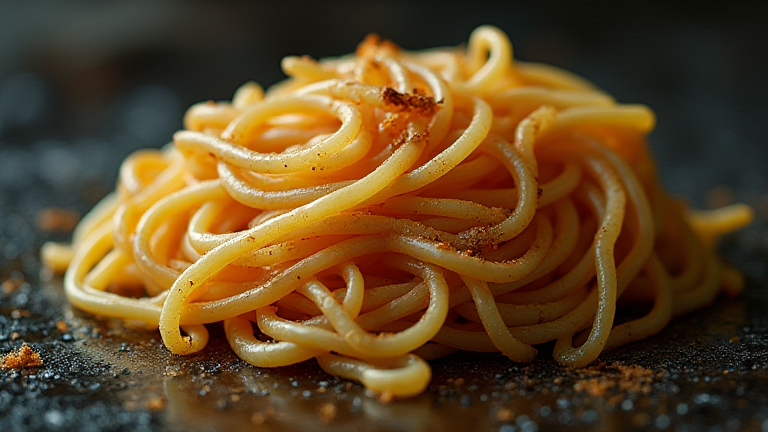
TL;DR: To handle salmonella risks in noodles, ensure all eggs and meat are cooked to safe internal temperatures and wash hands thoroughly after handling raw ingredients. If you suspect contamination, discard the food immediately and clean all surfaces with hot, soapy water to prevent cross-contamination.
Embracing Culinary Safety in Global Cuisine
Traveling through bustling night markets in Tokyo or savoring authentic ramen in Taipei offers an immersive cultural experience that transcends mere sustenance. However, the joy of discovering new flavors must be balanced with a mindful approach to food safety. Salmonella, a bacteria often associated with raw eggs and undercooked poultry, poses a silent threat to even the most adventurous eaters. Understanding how to navigate these risks allows you to enjoy the rich tapestry of global noodle cultures without compromising your health. This guide merges personal growth with practical hygiene, transforming anxiety into empowered culinary confidence.
The Art of Safe Preparation
In many traditional recipes, soft-boiled eggs are a prized topping, adding a creamy texture to broths. The key to safety lies in temperature control. Ensure that eggs reach an internal temperature of 160 degrees Fahrenheit to eliminate harmful bacteria. For those who prefer runny yolks, consider using pasteurized eggs, which are safe to consume raw. Similarly, when preparing noodles with meat toppings, verify that pork and chicken are fully cooked. Visual cues like clear juices and firm textures are reliable indicators of doneness. Always separate raw meats from ready-to-eat ingredients using distinct cutting boards to prevent cross-contamination. This simple habit protects not only your health but also the integrity of your meal.
Hygiene as a Cultural Practice
Hand washing is the cornerstone of food safety. In many cultures, communal dining emphasizes shared responsibility for cleanliness. Before handling noodles, wash your hands with soap and warm water for at least twenty seconds. This ritual is not just about prevention; it is a respect for the food and the people you share it with. After cooking, sanitize all utensils, bowls, and surfaces that touched raw ingredients. Use a bleach solution or hot, soapy water to ensure a sterile environment. By integrating these practices into your daily routine, you cultivate a mindset of mindfulness and care.
Responding to Suspected Contamination
If you suspect that your noodles or ingredients are contaminated, do not taste-test to confirm. Discard the food immediately. Salmonella symptoms can appear rapidly, causing discomfort that disrupts your travel or daily life. Prompt action minimizes health risks. Remember, caution is not fear; it is wisdom. Embrace these safety measures as part of your culinary journey. They enhance your ability to explore diverse cuisines with confidence and peace of mind.
FAQ
Q: Can I eat raw eggs in noodle dishes?
A: No, unless they are pasteurized eggs specifically labeled safe for raw consumption.
If you want to dig deeper, check out our guide on Solo Travel: 3.5 Months in Latin America & Antarctica.
Q: What is the best way to clean surfaces after handling raw meat?
A: Use hot, soapy water or a diluted bleach solution to thoroughly sanitize all contact surfaces.
Q: How long should I wash my hands before cooking noodles?
A: You should wash your hands for at least twenty seconds with soap and warm water.
Leave a Reply