TL;DR: Prioritize fiber by consuming diverse plant-based foods like legumes, whole grains, and vegetables to feed beneficial gut bacteria. Recent tech-driven nutritional studies confirm that increased fiber intake significantly enhances gut diversity, reducing inflammation and improving overall metabolic health.
The Microbial Revolution: Why Fiber Matters More Than Ever
In the rapidly evolving landscape of nutritional science, the human gut microbiome has emerged as a critical focal point for public health initiatives. Just as fiber optics revolutionized data transmission by offering faster, more reliable connections, dietary fiber serves as the high-bandwidth infrastructure for our internal biological networks. The latest developments in genomic sequencing have allowed researchers to map these microbial communities with unprecedented precision, revealing that fiber is not merely a digestive aid but a fundamental regulator of immune function, mental health, and metabolic stability. Industry experts now argue that the modern diet’s deficit in fiber is akin to running a high-performance server on outdated hardware, leading to systemic inefficiencies and long-term degradation of health metrics.
Latest Developments in Fiber Research
Recent peer-reviewed studies have highlighted specific strains of Bifidobacteria and Lactobacillus that thrive exclusively on complex fibers found in resistant starches and inulin-rich plants. These findings have spurred a wave of innovation in the food tech sector, with companies developing precision-fermented fibers that mimic the structural benefits of whole foods without the accompanying calories or glycemic impact. The industry impact is profound, shifting the paradigm from treating symptoms to engineering preventative nutritional solutions. Major pharmaceutical and supplement firms are investing heavily in microbiome-based diagnostics, aiming to personalize fiber recommendations based on individual genetic and microbial profiles. This shift represents a move from one-size-fits-all dietary guidelines to dynamic, data-driven nutritional protocols.
Top Foods for Optimal Gut Health
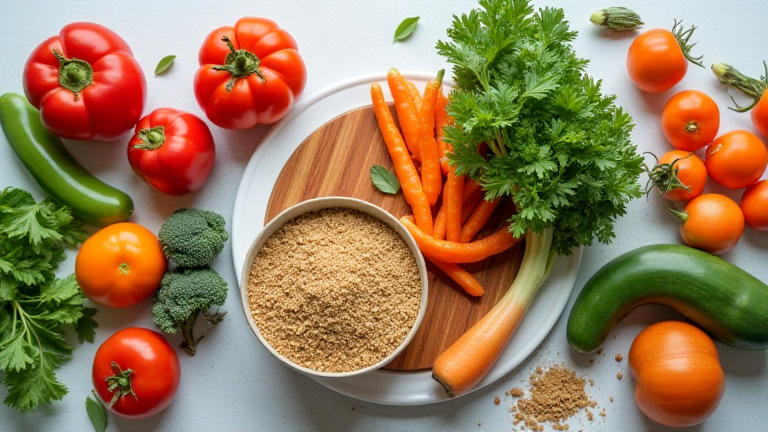
To maximize these benefits, consumers should prioritize a diverse array of plant-based foods. Legumes, including lentils and chickpeas, offer high concentrations of both soluble and insoluble fiber, promoting regularity and feeding diverse microbial populations. Whole grains such as oats and barley provide beta-glucans, which have been shown to lower cholesterol and stabilize blood sugar levels. Additionally, cruciferous vegetables like broccoli and Brussels sprouts contain specific compounds that support liver detoxification pathways while nourishing gut flora. Incorporating prebiotic-rich foods such as garlic, onions, and asparagus can further enhance the proliferation of beneficial bacteria. The key is variety; a diverse fiber intake ensures a robust and resilient microbiome capable of adapting to environmental stressors and dietary changes.
Industry Impact and Future Outlook
The convergence of biotechnology and nutrition is reshaping the food industry. Regulatory bodies are beginning to update labeling standards to reflect the health benefits of specific fiber types, rather than just total fiber content. Consumers are becoming more educated, demanding transparency and scientific backing for health claims. This trend is driving manufacturers to reformulate products, reducing refined sugars and increasing functional fiber ingredients. As technology continues to advance, we can expect to see smart packaging that monitors microbial activity or digital health platforms that provide real-time feedback on gut health based on dietary logs. The future of nutrition is personalized, predictive, and rooted in the microscopic complexities of the gut ecosystem.
FAQ
Q: How much fiber should I consume daily?
A: Most health organizations recommend 25 to 38 grams per day, depending on age and gender, but many people consume only half that amount.
If you want to dig deeper, check out our guide on Spot Kickbacks: How to Check Your Chinese Supplier.
Q: Can I get all the fiber I need from supplements?
A: While supplements can help, whole foods provide additional nutrients, phytochemicals, and structural benefits that isolated fibers cannot fully replicate.
Q: Are there any risks to increasing fiber intake too quickly?
A: Yes, sudden increases can cause bloating, gas, and discomfort; it is best to increase intake gradually while drinking plenty of water.
Leave a Reply