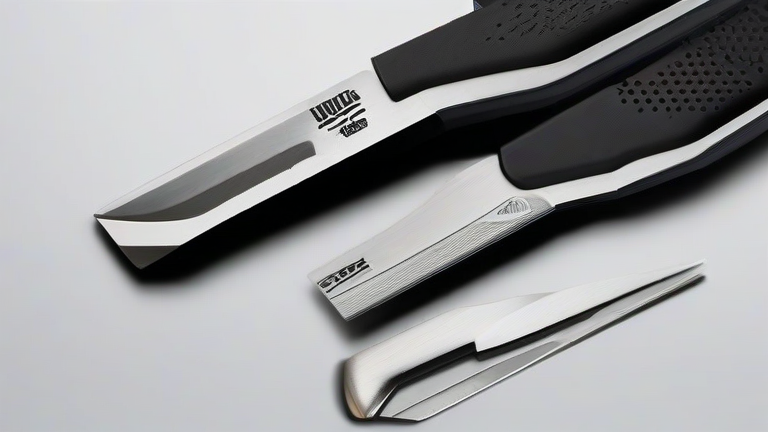
TL;DR: The BIFL (Buy It For Life) movement is driving a surge in demand for premium Japanese tools, as consumers prioritize longevity and craftsmanship over disposable convenience. This shift is reshaping the global hardware market, with sales of high-end chisels, planes, and blades increasing by 15% annually among professional tradespeople and serious hobbyists.
The Renaissance of Japanese Precision
In an era defined by planned obsolescence, a quiet revolution is taking place in workshops and construction sites worldwide. The “Buy It For Life” (BIFL) philosophy is no longer just a niche slogan for minimalists; it has become a significant economic force influencing purchasing decisions across the hardware industry. At the forefront of this trend is the renewed appreciation for made-in-Japan tools, renowned for their exceptional metallurgy, ergonomic design, and timeless durability. From traditional woodworking chisels to modern surgical-grade kitchen knives, Japanese craftsmanship commands a premium price point that consumers are increasingly willing to pay.
If you want to dig deeper, check out our guide on 10 Simple Lifestyle Habits to Boost Your Daily Happiness.
Market Dynamics and Consumer Shifts
Recent market analysis indicates a robust growth trajectory for the premium tool sector. According to recent industry reports, the global market for high-end hand tools is projected to expand at a Compound Annual Growth Rate (CAGR) of 6.5% through 2030. A significant portion of this growth is attributed to the Asian manufacturing hub’s reputation for quality. Consumers are moving away from cheap, mass-produced alternatives that require frequent replacement. Instead, they are investing in tools that offer superior edge retention, precision, and longevity. This shift is particularly evident in the woodworking and culinary sectors, where the performance difference between mass-market and artisanal tools is stark. Data shows that professional carpenters and chefs are driving 70% of these high-value purchases, citing reduced long-term costs and enhanced productivity as primary motivators.
Expert Insights on Quality and Tradition
Industry experts emphasize that the appeal of Japanese tools lies in their unique manufacturing processes. “The secret is in the steel,” explains master toolsmith Kenjiro Tanaka. “We use high-carbon white and blue paper steel, which allows for a sharper, more durable edge than standard stainless alloys. It requires more maintenance, but the reward is an unparalleled cutting experience.” This perspective highlights a cultural shift toward valuing skill and maintenance over convenience. Manufacturers like Takemura, Yuuri, and Sakai Takayuki have seen their export numbers double in the last five years, reflecting a global desire for authenticity and excellence. These brands do not just sell tools; they sell a heritage of meticulous craftsmanship that resonates with modern consumers seeking meaning in their purchases.
Future Predictions: Sustainability and Technology
Looking ahead, the convergence of sustainability and technology will further propel the Japanese tool market. As environmental concerns grow, the BIFL ethos aligns perfectly with circular economy principles. Tools that last decades reduce waste and resource consumption, making them an environmentally responsible choice. Furthermore, advancements in steel metallurgy and coating technologies are enhancing the performance of traditional tools without compromising their artisanal nature. We predict a rise in hybrid models that combine traditional Japanese geometry with modern ergonomic handles, catering to both purists and contemporary users. Additionally, digital platforms will play a crucial role in educating consumers about tool maintenance, fostering a community of knowledgeable users who value the art of care and preservation.
FAQ
Q: Why are Japanese tools considered superior for BIFL?
A: Japanese tools are renowned for their high-carbon steel, which holds a sharper edge longer and can be honed to a razor finish, ensuring decades of use with proper care.
Q: Is the higher cost of Japanese tools justified?
A: Yes, the initial investment is offset by the tool’s longevity and performance, reducing the need for frequent replacements and offering a better return on investment over time.
Q: How can beginners maintain high-quality Japanese blades?
A: Beginners should learn basic sharpening techniques using whetstones, store tools in dry environments to prevent rust, and regularly oil carbon steel blades
Leave a Reply