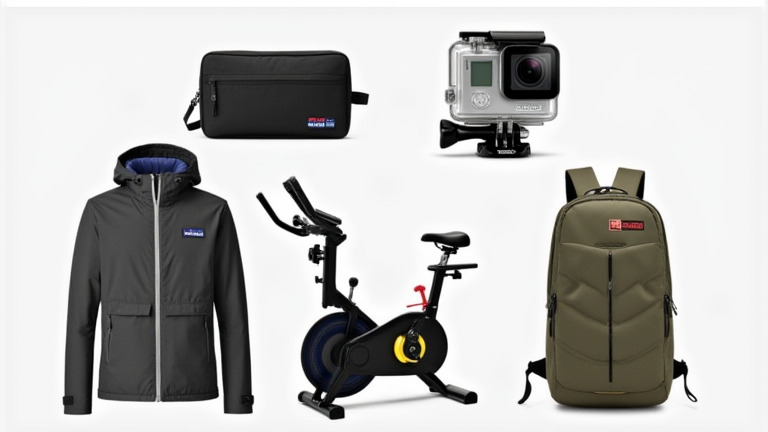
TL;DR: Despite their strong branding, Patagonia, Yeti, Peloton, GoPro, and Stanley are not entirely made in the USA. Their products are manufactured globally to balance cost, quality, and supply chain efficiency, meaning the “Buy American” label does not strictly apply to these specific brands.
The Reality of Modern Manufacturing
In an era where consumer consciousness is at an all-time high, the demand for domestically produced goods has surged. Many shoppers believe that purchasing from well-known outdoor and lifestyle brands guarantees American craftsmanship. However, the reality is far more complex. Global supply chains are intricate webs that span continents, making it nearly impossible for major corporations to keep every component and assembly process within US borders without significantly inflating prices. For the eco-conscious and budget-aware buyer, understanding where items are actually made is crucial for making informed decisions that align with personal values.
If you want to dig deeper, check out our guide on Can AI Benchmarks Be Faked? How It’s Done.
Brand Breakdown: Where Are They Made?
Patagonia is a leader in sustainability, yet the majority of its garments are sewn in countries like Vietnam, Cambodia, and Honduras. While they adhere to strict ethical labor standards, the physical production is overseas. Yeti, often associated with rugged American durability, manufactures the vast majority of its coolers and drinkware in China. This allows them to maintain competitive pricing and high volume, though recent shifts suggest some limited production lines may be returning to the US. Peloton, a tech-centric fitness giant, designs its equipment in California but assembles the bikes and treadmills in various international facilities to manage the complexity of electronics and metal fabrication.
GoPro cameras are designed in California, but the tiny, precision-engineered components and final assembly occur primarily in Asia. The miniaturization required for these devices makes domestic manufacturing prohibitively expensive. Stanley, the historic American brand, has seen a resurgence in popularity. While some of their classic vintage-style camp mugs are still made in the USA, the majority of their modern tumblers and bottles are produced in China. This distinction is vital for collectors and purists who specifically seek out domestic goods.
How to Make the Right Choice
If supporting the American economy is your primary goal, you must look beyond the brand logo and examine the “Made in” label on the specific item. Check product descriptions on retailer websites, which often list the country of origin. For those willing to pay a premium, smaller brands like Filson or some lines from L.L.Bean offer more transparently domestic supply chains. However, if you prioritize affordability and global ethical standards, these major brands remain strong contenders. Ultimately, the decision rests on what you value most: pure economic patriotism or a blend of quality, ethics, and price.
Before your next purchase, take a moment to verify the origin. Support local artisans if you can, but recognize that global trade supports millions of jobs worldwide. Your spending power shapes the market, so use it wisely to support companies that align with your specific ethical and economic priorities.
FAQ
Q: Are any Patagonia products made in the USA?
A: While rare, some specific items or limited editions may be manufactured in the USA, but the overwhelming majority are produced in Asian and Central American factories.
Q: Does Yeti manufacture any coolers in America?
A: Yes, Yeti has moved some production back to the US, particularly for certain cooler models, but many of their drinkware and soft goods are still made in China.
Q: Is GoPro assembled in the United States?
A: No, GoPro designs and engineers its products in California, but the final assembly and component manufacturing take place primarily in Asia.
Leave a Reply