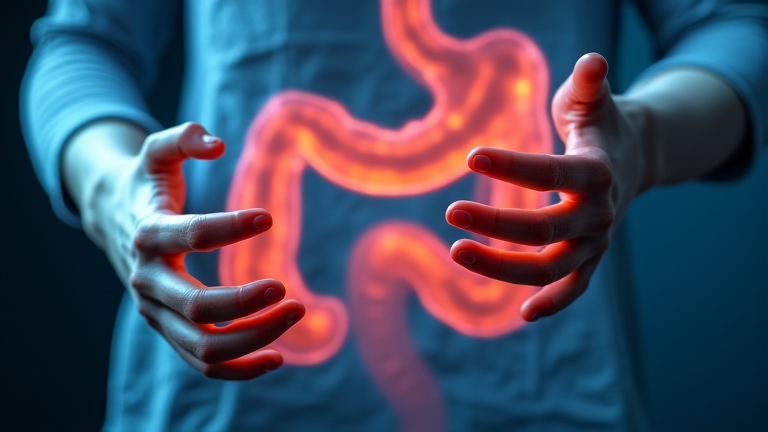
TL;DR: Emerging scientific evidence suggests a profound bidirectional relationship between gut microbiota composition and the development of Alzheimer’s disease, mediated by inflammatory pathways and metabolic byproducts. Prioritizing a diverse, fiber-rich diet and managing stress can actively support both gastrointestinal balance and long-term cognitive resilience.
The Journey Within
For years, the narrative of Alzheimer’s disease has been dominated by images of the brain—plaques, tangles, and fading memories. However, a revolutionary shift is occurring in neurology and nutrition science. Researchers are increasingly turning their gaze downward, to the intricate ecosystem residing in our intestines. This is not merely about digestion; it is about connection. The gut-brain axis is a complex communication network involving neural, hormonal, and immunological signaling pathways that link the enteric nervous system directly to the central nervous system. Understanding this link offers a new frontier for personal growth, inviting us to rethink our daily habits not just as routines, but as acts of preventative care for our minds.
If you want to dig deeper, check out our guide on 10+ Year Fitness Gear: What Would You Buy Again?.
Consider the cultural significance of food in Mediterranean societies. In regions like Sardinia and Okinawa, where longevity is celebrated, diets are rich in fermented foods, olive oil, and leafy greens. These are not accidental choices but cultural traditions that support a robust microbiome. The bacteria in our gut produce short-chain fatty acids, such as butyrate, which have anti-inflammatory properties. When these beneficial bacteria thrive, they help maintain the integrity of the blood-brain barrier, potentially shielding neurons from the toxic inflammation associated with neurodegenerative diseases. Conversely, a diet high in processed sugars and saturated fats can disrupt this balance, leading to leaky gut syndrome, which allows inflammatory markers to enter the bloodstream and travel to the brain.
Traveling through different culinary landscapes can also reshape our internal biology. Immersing yourself in local markets, tasting traditional fermented items like kimchi, kefir, or miso, exposes your body to diverse strains of probiotics. This cultural exploration becomes a form of self-care. It challenges the modern, sterile diet that has become prevalent in urban centers. By embracing these traditional foods, we are not just feeding our taste buds; we are cultivating a garden within us. The personal growth aspect lies in the mindfulness required to make these choices. It requires stepping away from convenience and reconnecting with the origins of our sustenance.
Furthermore, stress management plays a crucial role in this equation. Chronic stress alters gut permeability and microbiota composition, creating a vicious cycle that can exacerbate cognitive decline. Practices such as yoga, meditation, and mindful eating can soothe the gut-brain axis. The journey to cognitive health is therefore holistic. It involves integrating physical movement, mental tranquility, and nutritional wisdom. As we learn more about the microbiome, we realize that caring for our gut is synonymous with caring for our minds. This perspective transforms everyday meals into powerful tools for preserving our most precious asset: our memory and our sense of self.
FAQ
Q: Can probiotics prevent Alzheimer’s?
A: While probiotics alone cannot guarantee prevention, they support a healthy gut microbiome which may reduce inflammation and lower the risk of cognitive decline.
Q: What specific foods benefit the gut-brain axis?
A: Fermented foods like yogurt and kimchi, high-fiber vegetables, and omega-3 rich fish are excellent for maintaining microbial diversity and brain health.
Q: How does stress impact gut health?
A: Chronic stress can disrupt the balance of gut bacteria and increase intestinal permeability, leading to systemic inflammation that may affect brain function.
Leave a Reply