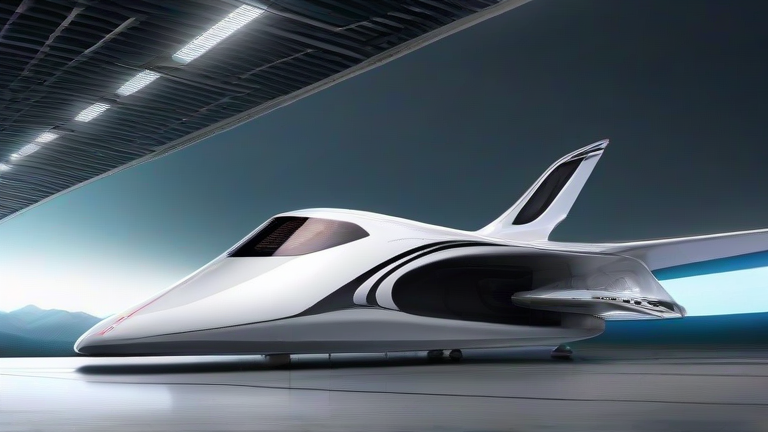
TL;DR: China has officially incorporated an ambitious 800-passenger flying wing jet into its long-term national aviation strategy, signaling a bold leap toward future market dominance. This unprecedented aircraft design aims to revolutionize air travel by offering unprecedented fuel efficiency and passenger capacity, challenging existing global aviation norms.
A New Era in Aviation Architecture
The announcement marks a pivotal moment in the global aerospace industry, as China accelerates its efforts to move beyond conventional tube-and-wing designs. The inclusion of an 800-passenger flying wing jet in the big aircraft plan represents more than just a technological milestone; it is a strategic move to capture a significant share of the future ultra-long-haul market. Industry analysts suggest that this initiative reflects Beijing’s determination to lead in next-generation aerospace engineering, moving beyond catching up with Western manufacturers to potentially setting new global standards.
Market Dynamics and Economic Implications
The commercial aviation market is currently valued at approximately $900 billion, with projections indicating steady growth over the next two decades. However, the demand for high-capacity, low-emission aircraft is outpacing current supply capabilities. Conventional wide-body jets, such as the Boeing 777X and Airbus A350, typically seat between 300 and 400 passengers. An 800-passenger aircraft would effectively double this capacity, addressing the growing congestion at major international hubs and reducing per-passenger carbon emissions significantly. According to recent market data, airlines are increasingly prioritizing fuel efficiency due to fluctuating oil prices and stricter environmental regulations. The flying wing configuration, which eliminates the traditional fuselage and tail, offers aerodynamic advantages that could reduce fuel consumption by up to 20 percent compared to traditional designs. This efficiency translates directly into lower operational costs, making it an attractive proposition for carriers looking to optimize their long-haul routes.
Expert Insights on Feasibility and Innovation
Leading aerospace experts have expressed both excitement and cautious skepticism regarding the project. Dr. Li Wei, a senior aerodynamics researcher at the China Academy of Aerospace Aeronautics, notes that while the theoretical benefits are clear, the engineering challenges are immense. Stability and control systems for such a large, blended wing body require advanced fly-by-wire technologies and robust computational models. Furthermore, passenger comfort remains a critical concern, as the lack of a distinct cabin structure affects noise isolation and pressurization dynamics. Despite these hurdles, experts agree that if successfully implemented, the aircraft could redefine the concept of mass air travel. The project also serves as a catalyst for domestic supply chain development, encouraging innovation in composite materials and advanced manufacturing techniques across the country.
Future Predictions and Global Impact
Looking ahead, the successful development of this aircraft could shift the center of gravity in the aerospace industry toward Asia. If China can deliver a reliable, certified flying wing jet within the next fifteen years, it may force traditional competitors like Boeing and Airbus to accelerate their own unconventional design research. The global market is expected to see increased competition in the ultra-large capacity segment, potentially lowering ticket prices for consumers and expanding access to international travel. However, regulatory certification processes will be rigorous, requiring extensive flight testing and international collaboration. As the world grapples with climate change, the environmental benefits of such a revolutionary design could make it a cornerstone of sustainable aviation, setting a precedent for future generations of aircraft.
FAQ
Q: What is a flying wing jet?
A: A flying wing jet is an aircraft design that lacks a distinct fuselage and tail, integrating the payload and structure into the wing body to maximize aerodynamic efficiency.
If you want to dig deeper, check out our guide on iPhone 15 Pro Max Camera Review: Best Phone Camera?.
Q: How does this compare to current wide-body jets?
A: Unlike current wide-body jets that typically seat 300-400 passengers, the 800-passenger flying wing design aims to double capacity while significantly improving fuel efficiency and reducing emissions.
Q: When is the aircraft expected to enter service?
A: While exact timelines are not public, industry experts predict that certification and commercial entry could occur within the next 10 to 15 years following extensive testing and development.</
Leave a Reply