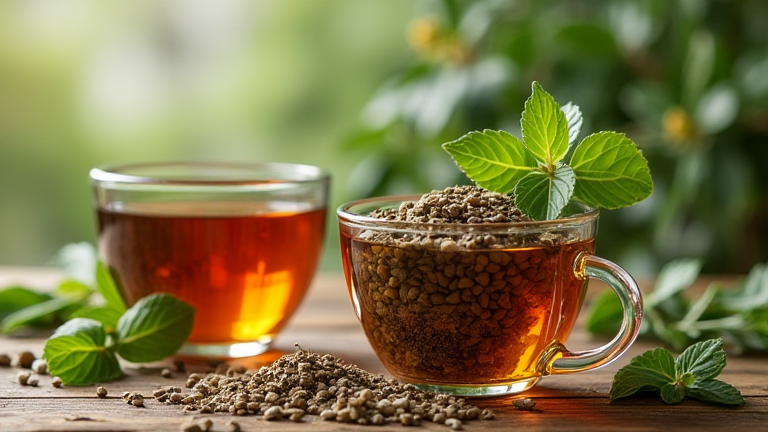
TL;DR: Dried herbs offer intense, concentrated flavor and long shelf life for culinary seasoning, while herbal brews provide soothing hydration and targeted medicinal benefits through steeping. Choosing between them depends on whether you prioritize kitchen versatility or therapeutic wellness routines.
The Culinary Power of Dried Herbs
Dried herbs are a staple in every modern kitchen, prized for their ability to elevate dishes with minimal effort. When herbs are dried, their water content is removed, which concentrates the essential oils responsible for their distinct aromas and flavors. This process allows them to last significantly longer than their fresh counterparts, often remaining potent for up to a year if stored correctly in airtight containers away from direct sunlight. For chefs and home cooks alike, dried herbs like basil, oregano, thyme, and rosemary provide a reliable consistency in seasoning. They are ideal for slow-cooked sauces, soups, stews, and marinades, where the heat allows the flavors to meld seamlessly with other ingredients. Unlike fresh herbs, which can wilt or lose their vibrant color and taste when exposed to high temperatures for extended periods, dried herbs hold their ground, ensuring that every bite delivers a robust punch of flavor. This durability makes them an indispensable tool for meal prep and batch cooking, saving time during busy weekdays while maintaining high culinary standards.
If you want to dig deeper, check out our guide on Enterprise AI Data Privacy: Who Controls Your Data?.
The Therapeutic Appeal of Herbal Brews
In contrast to their culinary counterparts, herbal brews focus heavily on health, wellness, and relaxation. These infusions, commonly known as teas, involve steeping dried leaves, flowers, roots, or seeds in hot water to extract beneficial compounds. Herbal brews such as chamomile, peppermint, ginger, and hibiscus are celebrated for their soothing properties. Chamomile is widely recognized for its ability to reduce anxiety and promote sleep, while peppermint aids in digestion and relieves nausea. Ginger brews offer anti-inflammatory benefits and can help soothe sore throats. The preparation method is simple yet ritualistic, encouraging a moment of pause and mindfulness in a fast-paced world. Unlike dried herbs used primarily for taste, herbal brews are consumed for their physiological effects, providing hydration and a gentle dose of antioxidants or other bioactive substances. They are caffeine-free alternatives to coffee or black tea, making them suitable for evening consumption without disrupting sleep patterns.
Comparing Benefits and Usage
While both dried herbs and herbal brews originate from the same botanical sources, their end uses diverge sharply. Dried herbs are tools for culinary enhancement, adding depth and complexity to food. Herbal brews are wellness aids, offering comfort and potential health improvements through liquid consumption. You might use dried rosemary in a roast chicken, while simultaneously sipping a cup of dried chamomile tea to relax afterward. Understanding this distinction helps consumers make informed choices based on their immediate needs, whether that is preparing a delicious meal or seeking a moment of calm. Explore our curated collection today to find the perfect herbs for your kitchen and wellness shelf, ensuring you have the right ingredients for every occasion.
FAQ
Q: Can dried herbs be used to make herbal tea?
A: Yes, many dried herbs like mint, lemon balm, and hibiscus can be steeped to create flavorful and beneficial teas.
Q: How long do dried herbs last before losing potency?
A: Most dried herbs retain optimal flavor for about six months to a year if stored properly in a cool, dark place.
Q: Are herbal brews safe for everyone to consume daily?
A: While generally safe, some herbal brews may interact with medications or conditions, so it is best to consult a healthcare provider for specific concerns.
Leave a Reply