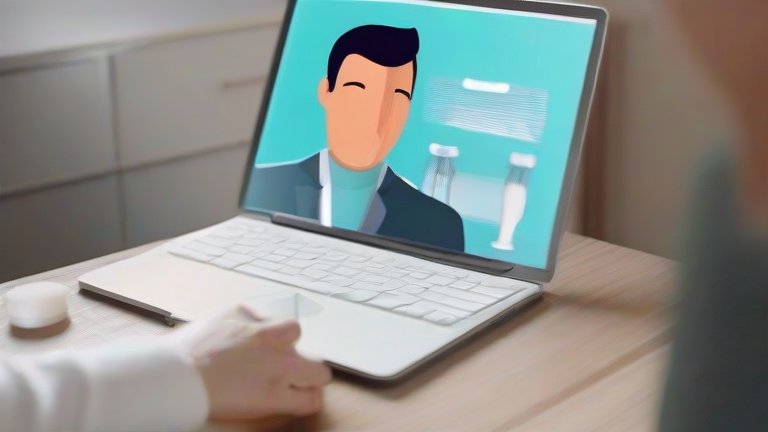
TL;DR: The term “telehealth pill mills” refers to unscrupulous online clinics that prescribe controlled substances, particularly opioids and stimulants, with minimal medical oversight or genuine patient interaction. It is crucial to distinguish these predatory operations from legitimate telehealth platforms that prioritize safety, comprehensive evaluations, and regulatory compliance.
In recent years, the rapid expansion of digital healthcare has created a paradox. While telehealth has democratized access to medical care, it has also opened the door for unethical operators to exploit regulatory loopholes. These so-called “pill mills” operate entirely online, often bypassing traditional safeguards like physical examinations and thorough medical history reviews. They primarily target individuals seeking quick fixes for chronic pain, erectile dysfunction, or attention-deficit disorders, frequently prescribing highly addictive medications without adequate justification.
If you want to dig deeper, check out our guide on China Adds 800-Passenger ‘Flying Wing’ Jet to Big Aircraft P.
Identifying Red Flags
Recognizing these predatory services is the first step in protecting your health. Legitimate telehealth providers adhere to strict protocols, including verifying patient identity, reviewing past medical records, and conducting video consultations that allow for proper clinical assessment. In contrast, suspicious platforms often guarantee prescriptions within minutes, accept cash or cryptocurrency to avoid traceability, and lack transparent licensing information. If a website promises immediate delivery of controlled substances without a meaningful doctor-patient relationship, it is likely operating outside legal and ethical boundaries.
Science-Backed Alternatives
Instead of seeking quick pharmacological solutions, consider integrating evidence-based lifestyle modifications into your routine. For chronic pain management, research supports the efficacy of cognitive-behavioral therapy, gentle yoga, and mindfulness meditation. These approaches address the psychological components of pain and promote long-term resilience without the risks associated with opioid dependence. Similarly, for mental health concerns like ADHD or anxiety, structured therapy and behavioral coaching can be just as effective as medication when combined with proper medical supervision.
Lifestyle adjustments also play a pivotal role in overall wellness. Prioritize sleep hygiene by maintaining a consistent sleep schedule and creating a dark, quiet environment. Regular physical activity, even in short bursts, has been shown to reduce inflammation and improve mood. Nutritional strategies, such as adopting an anti-inflammatory diet rich in omega-3 fatty acids and antioxidants, can further support your body’s natural healing processes. Always consult with a licensed healthcare provider before starting any new treatment plan, ensuring that you are receiving care from reputable, vetted institutions that prioritize your long-term well-being over quick profits.
FAQ
Q: How can I verify if a telehealth provider is legitimate?
A: Check for state medical board licensing, ensure the provider requires a video consultation, and look for transparent pricing and clear privacy policies.
Q: Are online prescriptions for controlled substances always illegal?
A: No, they are legal when prescribed by licensed professionals following federal guidelines, which typically require a valid patient-provider relationship and medical necessity.
Q: What should I do if I suspect I visited a fake telehealth site?
A: Stop using the service immediately, monitor your health for adverse reactions, and report the website to the FDA and your state medical board.
Leave a Reply