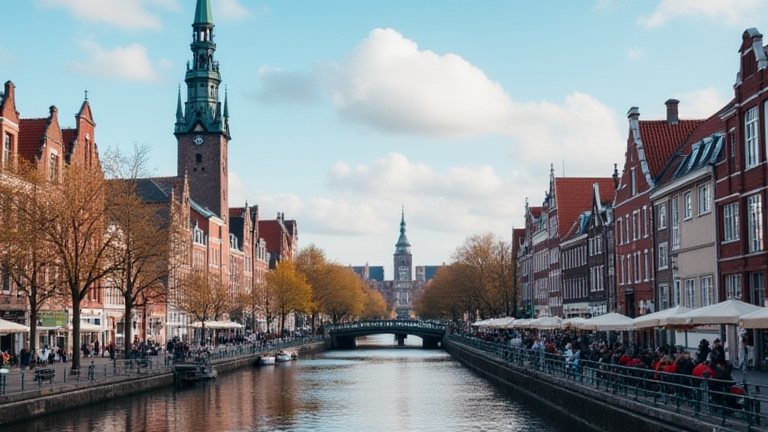
TL;DR: A perfect day in Lübeck begins with exploring its UNESCO-listed Hanseatic Old Town and sampling its famous Marzipan, followed by a relaxing stroll along the Trave River. This compact city offers a rich blend of medieval architecture, literary history, and culinary delights that can be comfortably experienced in just twenty-four hours.
Wandering Through History
Lübeck is a city where time seems to slow down, inviting visitors to step back into the era of the Hanseatic League. As you enter the historic center, the first thing that strikes you is the sheer preservation of medieval architecture. The Holstentor, the iconic brick gate with its two towers, stands as the proud symbol of this maritime power. It is impossible to visit Lübeck without taking a photo here, but the real magic lies beyond the gates. The cobblestone streets of the old town are a labyrinth of narrow alleys, hidden courtyards, and grand brick Gothic buildings that whisper stories of merchants and trade from centuries past.
The heart of the city is the Marienkirche, a Lutheran church with a towering spire that dominates the skyline. Inside, the atmosphere is serene and awe-inspiring. The high altar and the intricate woodcarvings are masterpieces of the late Gothic period. For those interested in personal growth and reflection, the quiet ambiance of the church offers a perfect moment to pause and appreciate the enduring nature of human creativity and faith. Afterward, walk to the Burgtor, another impressive gate, which leads to the Burgtorinsel, a peaceful island area perfect for a quiet break.
A Sweet Culinary Journey
No discussion of Lübeck is complete without mentioning its most famous export: Marzipan. Lübeck marzipan is renowned worldwide for its high almond content and smooth texture. The Niederegger Marzipan Manufactory is the most famous destination, but you will find charming shops throughout the old town. Buying a box of assorted marzipan candies is a delightful tradition, and watching the artisans work behind glass windows adds a layer of appreciation for the craft.
For lunch, head to a traditional Gasthaus near the market square. Try the “Lübsche Grünkohl,” a hearty green cabbage stew with various meats and sausages, which reflects the regional climate and history. Pair it with a local beer from the Holsten Brewery or a crisp white wine. The dining experience here is warm and hospitable, reflecting the German value of Gemütlichkeit, or coziness. It is a chance to slow down, savor the flavors, and connect with the local culture.
Evening Reflections
As the sun sets, the old town takes on a magical glow. The illuminated brick buildings reflect off the canals, creating a romantic atmosphere. Take a final walk along the Trave River, watching the boats gently bob on the water. This quiet moment allows you to process the day’s experiences. Lübeck is not just a destination for sightseeing; it is a place for introspection and cultural immersion. The blend of history, architecture, and gastronomy provides a holistic travel experience that nourishes both the body and the mind.
FAQ
Q: How long does it take to see the main attractions in Lübeck?
A: Most visitors find that one full day is sufficient to explore the Old Town, visit the Holstentor, see the Marienkirche, and enjoy a traditional meal, though two days allow for a more relaxed pace.
If you want to dig deeper, check out our guide on How to Use Canva Pro: A Step-by-Step Design Tutorial for Beg.
Q: What is the best time of year to visit Lübeck?
A: Summer (June to August) offers pleasant weather for walking, while December is magical due to the famous Lübeck Christmas Market, which features traditional crafts and festive treats.
Q: Is Lübeck walkable for tourists?
A: Yes, the historic city center is very compact and almost entirely pedestrian-friendly, making it easy to navigate on foot without the need for a car.
Leave a Reply