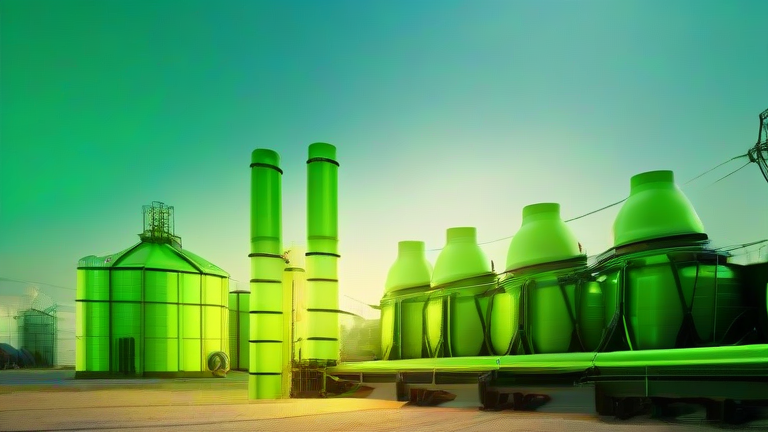
How Green Hydrogen Powers Heavy Industry
Transitioning heavy industries like steel, cement, and chemicals away from fossil fuels is one of the most critical challenges in the global fight against climate change. Green hydrogen, produced via electrolysis using renewable energy, offers a clean alternative to coal and natural gas. This guide outlines the essential steps to integrating this technology into large-scale industrial operations.

Step 1: Assess Energy Requirements and Infrastructure
Before investing in hydrogen technology, conduct a rigorous audit of your facility’s thermal and chemical energy needs. Identify which processes require high-temperature heat or hydrogen as a chemical feedstock. Map out existing gas pipelines and storage tanks to determine where modifications are necessary. Understanding the baseline load helps in sizing the electrolyzer system correctly, ensuring efficiency from day one.
If you want to dig deeper, check out our guide on 10 Proven Health Tips to Boost Energy and Wellness Today.
Step 2: Secure Renewable Energy Sources
Green hydrogen is only truly green if the electricity used for electrolysis comes from renewable sources like wind, solar, or hydro. Establish partnerships with renewable energy providers or invest in on-site generation capacity. It is crucial to align hydrogen production schedules with peak renewable energy output to minimize costs and ensure the carbon footprint remains near zero. Consider using smart grid technologies to manage intermittent power supply effectively.
Step 3: Install Electrolysis Systems
Select the appropriate electrolyzer technology, such as Alkaline or Proton Exchange Membrane (PEM) systems, based on your specific operational needs and budget. Install these units in a controlled environment with proper ventilation and safety protocols. Connect the electrolyzers to your renewable energy source and water purification system. Pure water is essential for the electrolysis process to prevent contamination and maintain efficiency.
Step 4: Implement Storage and Distribution
Hydrogen has low energy density by volume, requiring specialized storage solutions. Install high-pressure tanks, liquid hydrogen storage, or metal hydride systems depending on your scale and usage patterns. Design a robust distribution network within the facility, utilizing existing pipelines where possible. Ensure all components meet strict safety standards to prevent leaks and explosions, as hydrogen is highly flammable.</
Leave a Reply