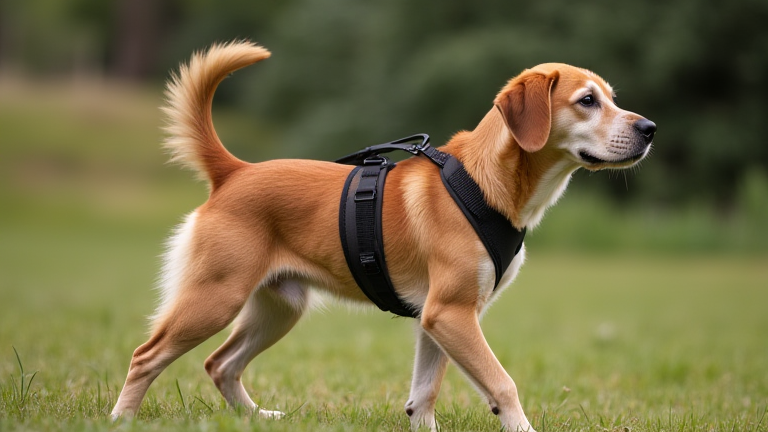
TL;DR: Choosing a properly fitted, padded harness prevents tracheal collapse and spinal injuries that can cost thousands in emergency surgery. This simple gear upgrade protects your dog’s fragile anatomy while ensuring comfortable daily walks.
The Hidden Cost of Collars
Many pet owners rely on traditional neck collars for daily leashes, unaware that this practice poses significant health risks. Canine tracheas, particularly in brachycephalic breeds like Pugs and Bulldogs, are C-shaped and highly susceptible to collapse. When a dog pulls against a collar, the pressure is concentrated entirely on the neck. According to veterinary studies, this repetitive stress can lead to tracheal collapse, a condition that often requires expensive surgical intervention or lifelong medication management. The average cost for such treatments frequently exceeds $1,000, not including follow-up care or specialized diets.
If you want to dig deeper, check out our guide on Should AI Agents Have Their Own Company Cards?.
Biomechanics of Proper Support
A well-designed harness redistributes pulling force across the chest and shoulders, areas better equipped to handle physical stress. This biomechanical shift reduces pressure on the cervical spine and airway. Science-backed research indicates that harnesses lower the incidence of neck strain by up to 70% compared to collars. For older dogs or those with pre-existing heart conditions, this reduction in physical stress is crucial. Lowering the heart rate during walks helps manage cardiac strain, promoting better overall cardiovascular health. Furthermore, a secure harness prevents accidental escapes, which are a leading cause of traumatic injuries requiring urgent veterinary attention.
Choosing the Right Fit
Selecting the correct harness involves more than just size. Look for padding around the shoulders to prevent chafing and friction burns. The fit should allow two fingers to slide easily under each strap. If the harness is too loose, your dog can slip out; if too tight, it restricts breathing and circulation. Measure your dog’s chest girth at the widest point behind the front legs. Regularly check the fit as your dog grows or changes weight. A harness that fits perfectly today may be too tight next month, leading to discomfort and potential skin irritation.
Lifestyle Integration
Incorporating a harness into your daily routine promotes a calmer walking experience. Use it for all outdoor activities, including hikes and long strolls. Pair this with positive reinforcement training to teach your dog to walk without pulling. This combination of proper equipment and behavioral training creates a holistic wellness approach. It ensures that exercise remains a joy rather than a source of physical trauma for your pet. By prioritizing comfort and safety, you are investing in your dog’s long-term quality of life.
FAQ
Q: Can any harness replace a collar?
A: Yes, for daily walks and outdoor activities, a harness is safer. However, keep a collar with ID tags for identification if the dog escapes, but use the harness for leash attachment.
Q: How often should I replace my dog’s harness?
A: Inspect your harness monthly for wear and tear. Replace it immediately if straps fray, buckles break, or padding compresses, as these factors compromise safety and support.
Q: Do harnesses work for small toy breeds?
A: Absolutely. Small breeds are actually more vulnerable to neck injuries. A lightweight, padded harness is essential to protect their delicate tracheas and spines during walks.
Leave a Reply