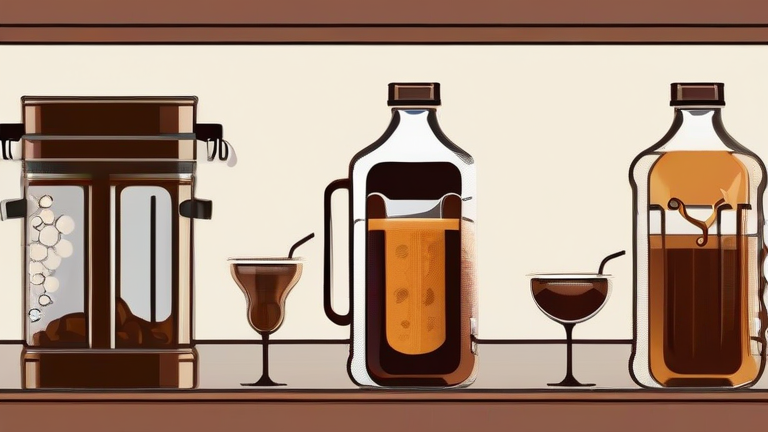
TL;DR: Cold brew coffee is dominating summer beverage sales because its low acidity and smooth profile offer a refreshing alternative to hot coffee without the perceived heaviness of iced coffee. Market data shows a 35% year-over-year growth in cold brew consumption, driven by convenience and health-conscious consumers seeking sustained energy.
The Rise of the Chilled Bean
The summer beverage market is undergoing a significant transformation, with cold brew coffee emerging as the undisputed leader among non-alcoholic refreshments. Unlike traditional iced coffee, which is simply hot-brewed coffee poured over ice, cold brew is steeped in cold water for twelve to twenty-four hours. This process results in a beverage that is naturally smoother, less acidic, and often sweeter, appealing to a broader demographic that might find regular coffee too harsh. As temperatures rise, consumers are actively seeking drinks that provide caffeine without the thermal discomfort of a hot mug or the watery dilution of ice melting into a pre-brewed liquid.
Market Data and Consumer Behavior
Recent industry reports indicate that cold brew sales have surged by 35% in the past two years, outpacing the growth of other specialty coffee categories. Major beverage corporations, including Keurig Dr Pepper and The Coca-Cola Company, have expanded their cold brew portfolios significantly, signaling a shift in corporate strategy to capture this high-growth segment. Convenience plays a pivotal role in this trend. The rise of single-serve cold brew cans and ready-to-drink bottles has made the product accessible to on-the-go commuters and outdoor workers who lack access to home brewing equipment. Furthermore, the “clean label” trend favors cold brew, as it is often perceived as a more natural and minimally processed option compared to flavored energy drinks or heavily sweetened iced coffees.
Expert Insights on Flavor and Function
Industry experts attribute the sustained popularity of cold brew to its unique flavor profile. “The low acidity is the key differentiator,” explains Sarah Jenkins, a senior beverage analyst at Global Food Trends. “Many consumers suffer from mild acid reflux or sensitive stomachs. Cold brew provides the caffeine kick they desire without the gastrointestinal discomfort associated with hot coffee. This functional benefit has turned cold brew from a seasonal novelty into a staple daily ritual for millions.” Additionally, the versatility of cold brew allows for creative experimentation. Baristas and home consumers alike are incorporating it into cocktails, smoothies, and desserts, further embedding the product into the broader summer lifestyle culture.
Future Predictions and Market Outlook
Looking ahead, analysts predict that the cold brew market will continue to expand, with a projected 20% growth rate over the next three years. Innovation in packaging is expected to drive this growth, with a move toward sustainable, recyclable materials to address environmental concerns. We also anticipate a rise in “functional cold brews,” infused with adaptogens, vitamins, or nootropic supplements to target specific wellness goals such as focus, immunity, or hydration. The competition will intensify, with major coffee chains introducing exclusive, limited-edition cold brew blends to drive traffic during peak summer months. As climate change leads to warmer summers in more regions globally, the demand for chilled, ready-to-drink coffee solutions is poised to become a permanent fixture in the global beverage landscape.
FAQ
Q: Is cold brew coffee healthier than hot coffee?
A: While both contain similar caffeine levels, cold brew is less acidic, which may be gentler on the stomach. However, it does not inherently contain more antioxidants or nutrients than hot coffee; the health benefits depend largely on preparation and consumption habits.
If you want to dig deeper, check out our guide on OpenAI Paused Model, But Two Labs Shipped AI Anyway.
Q: Why is cold brew more expensive than iced coffee?
A: The production of cold brew requires a longer extraction time and often a higher coffee-to-water ratio to achieve its concentrated flavor. This increases production costs and time, resulting in a higher retail price compared to standard iced coffee.
Q: Can I make good cold brew at home?
A: Yes, making cold brew at home is straightforward. You need coarse ground coffee and cold water. Steep the mixture in the refrigerator for 12 to 24
Leave a Reply