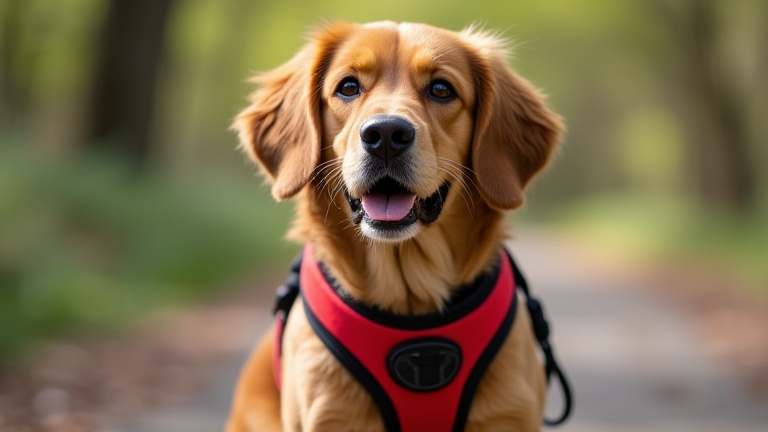
TL;DR: A properly fitted, ergonomic harness prevents acute soft-tissue injuries and chronic joint degradation that lead to costly veterinary surgeries and long-term rehabilitation. By distributing pulling force across the chest and shoulders rather than concentrating it on the neck, high-quality harnesses significantly reduce the risk of life-threatening tracheal collapse and cervical spine damage.
The Hidden Cost of Poor Restraint
Many pet owners view a dog harness simply as a leash attachment point, overlooking its critical role in musculoskeletal health. According to recent orthopedic studies, improper leash pressure on the neck during walks places excessive strain on the cervical vertebrae and the trachea. This constant compression can lead to tracheal collapse, a condition that is not only painful for the dog but also expensive to manage. Treatment often requires specialized collars, respiratory medications, and in severe cases, surgical intervention to reinforce the tracheal rings. The average cost for such interventions can easily exceed five thousand dollars, not including ongoing maintenance fees.
If you want to dig deeper, check out our guide on Best Noise Cancelling Headphones for Remote Work.
Furthermore, the repetitive stress of pulling against a standard flat collar can result in chronic inflammation of the shoulder muscles and ligaments. Over time, this micro-trauma accumulates, leading to tendonitis or even rotator cuff tears. These soft-tissue injuries are notoriously difficult to diagnose in their early stages, often presenting as subtle gait changes or reluctance to climb stairs. By the time these issues are detected, the damage is frequently advanced, requiring extensive physical therapy and anti-inflammatory treatments that drain a pet owner’s budget over months or years.
Science-Backed Fit and Design
Research in biomechanics suggests that the “right” harness is not just about comfort but about force distribution. A well-designed harness spreads the load across the broad, muscular areas of the chest and shoulders. This design reduces peak force on any single anatomical structure by up to forty percent compared to a collar. When selecting a harness, look for adjustable straps that allow for a precise fit. The “two-finger rule” is a common guideline: you should be able to slide two fingers between the harness and your dog’s body. If the harness is too loose, it can shift and cause rubbing or chafing, leading to skin infections that require veterinary attention.
Material choice also plays a vital role in injury prevention. Breathable, moisture-wicking fabrics prevent skin maceration and fungal growth, particularly in dogs with dense coats. Additionally, padded handles or reinforced stitching points ensure that the harness does not fail under sudden tension, which could otherwise result in a fall or a sudden jerk that injures the spine. Regular inspection of the gear is essential; frayed webbing or broken buckles are safety hazards that can lead to escape incidents, potentially resulting in traffic accidents or falls from heights.
Lifestyle Tips for Preventative Care
Integrating proper harness use into your daily routine is a proactive health strategy. Start by training your dog to walk without pulling from a young age. Positive reinforcement techniques, such as treating the dog for walking beside you, reduce the physical force exerted on the harness and, by extension, the dog’s body. Monitor your dog’s gait after walks. Limping, favoring one leg, or shaking the head excessively are early warning signs of strain or discomfort. Addressing these symptoms immediately with a veterinary check-up can prevent minor issues from escalating into major medical crises.
Investing in a high-quality harness is not an expense but an insurance policy. It protects your dog’s respiratory and skeletal systems, ensuring they remain active and healthy throughout their life. The prevention of even one major injury can save thousands in vet bills, making the initial cost of the gear negligible in comparison. Prioritize fit, material, and training to maximize the health benefits of every walk.
FAQ
Q: How often should I replace my dog’s harness?
A: Replace the harness annually or immediately if you notice any fraying, broken stitching, or loose hardware, as compromised integrity can lead to escape or injury during a sudden pull.
Q: Is a front-clip harness better for health than
Leave a Reply