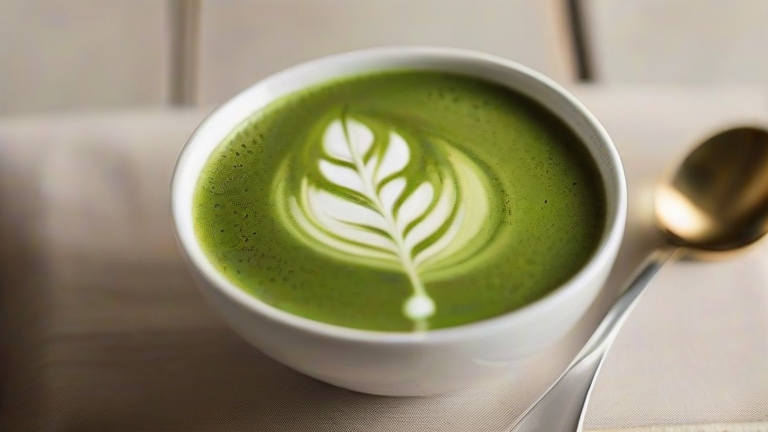
TL;DR: Matcha lattes have surged in popularity due to a consumer shift toward functional wellness and premium aesthetic experiences, outpacing traditional coffee growth in major urban markets. This trend is driven by social media virality, perceived health benefits, and high profit margins, making it the dominant beverage trend in modern coffee shops.
The Green Gold Rush
The specialty beverage industry has witnessed a seismic shift in consumer preferences, with matcha lattes emerging as the new flagship item for thousands of cafes worldwide. According to recent market analysis from Grand View Research, the global matcha market is projected to reach $7.2 billion by 2030, growing at a compound annual growth rate of 14.5%. This explosive growth is not merely a passing fad but a structural change in how consumers interact with their daily caffeine sources. Unlike traditional coffee, which is often associated with jitters and acidity, matcha offers a smoother, sustained energy release due to its L-theanine content. This distinction has allowed matcha to capture a demographic that was previously underserved by standard espresso offerings, particularly health-conscious millennials and Gen Z consumers who prioritize holistic wellness over simple convenience.
If you want to dig deeper, check out our guide on How to Edit Photos in Adobe Lightroom: Step-by-Step Beginner.
Expert Insights on Consumer Psychology
Industry analysts suggest that the rise of matcha is deeply intertwined with the “Instagrammable” economy. The vibrant green color of matcha provides a visual contrast that performs exceptionally well on social media platforms like TikTok and Instagram. Experts in food and beverage marketing note that visual appeal drives trial purchases, and matcha’s aesthetic has turned a simple latte into a status symbol. Furthermore, the ritualistic preparation of whisked matcha adds perceived value, justifying higher price points. Dr. Elena Ross, a consumer behavior specialist, notes, “Consumers are willing to pay a premium for beverages that offer a dual promise: immediate sensory pleasure and long-term health benefits. Matcha uniquely satisfies both, creating a sticky customer base that traditional coffee struggles to replicate in the same way.” This psychological hook has forced major chains and independent roasters alike to restructure their menus to include high-quality matcha options, often sourced directly from Uji, Japan, to ensure authenticity and competitive differentiation.
Future Predictions and Market Outlook
Looking ahead, the matcha trend is expected to evolve beyond simple lattes. We anticipate a rise in “functional matcha” blends, where the base powder is combined with adaptogens like ashwagandha or nootropics like lion’s mane to enhance cognitive benefits. Supply chain challenges remain a concern, as global demand outpaces the limited harvest capacity in Japan and other producing regions. However, innovations in vertical farming and improved cultivation techniques in regions like India and China may help stabilize prices. By 2026, it is predicted that matcha will occupy at least 15% of the menu real estate in top-tier specialty coffee shops, rivaling the dominance of espresso-based drinks. For business owners, ignoring this trend risks losing market share to competitors who are actively courting the wellness-focused consumer. The future of the coffee shop is not just about caffeine; it is about experience, health, and visual identity, and matcha is currently leading the charge in all three categories.
FAQ
Q: Is matcha healthier than coffee?
A: Both offer health benefits, but matcha contains L-theanine which promotes calm alertness without the jittery crash often associated with high-dose coffee consumption.
Q: Why are matcha lattes so expensive?
A: High-quality ceremonial grade matcha is labor-intensive to produce and harvest, resulting in higher raw material costs compared to bulk coffee beans.
Q: Will the matcha trend fade away?
A: Industry experts predict the trend will evolve into functional beverages rather than fading, as the underlying demand for healthy, aesthetically pleasing drinks continues to grow.
Leave a Reply