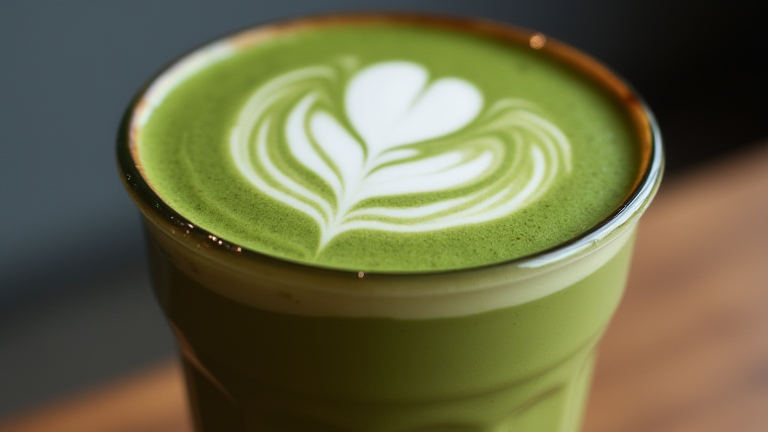
Why Matcha Lattes Are Dying While Cold Brew Soars
TL;DR: Matcha’s decline stems from high costs and niche appeal, while cold brew’s rise is driven by convenience, scalability, and a surge in consumer demand for low-acid, smooth caffeine sources.
The Market Shift in Specialty Coffee
The beverage industry is undergoing a seismic shift, with sales data revealing a stark divergence between two former rivals in the specialty drink aisle. According to recent reports from the National Coffee Association, cold brew sales have grown by approximately 15% year-over-year, while matcha latte sales have stagnated or declined in many major metropolitan markets. This trend is not merely a passing fad but a structural change in consumer behavior, driven by economic pressures and evolving taste preferences.
Industry analysts point to the economic factors as a primary catalyst. Matcha, particularly ceremonial grade, remains an expensive commodity due to labor-intensive cultivation and processing in Japan. As inflation pressures consumers to seek value, the premium price point of a matcha latte (often exceeding $6.50) becomes a barrier. In contrast, cold brew can be produced at scale using standard coffee beans, allowing cafes to maintain lower prices while offering a complex flavor profile. This price elasticity makes cold brew a more resilient product during economic downturns.
If you want to dig deeper, check out our guide on 10 Simple Lifestyle Habits for Better Health and Happiness.
Expert Insights on Consumer Psychology
Beverage trend expert Sarah Jenkins notes, “We are seeing a move towards ‘functional simplicity.’ Consumers want a drink that is easy to understand, customizable, and delivers a reliable energy boost without the learning curve associated with matcha’s earthy, sometimes bitter, notes.” Cold brew has successfully positioned itself as a versatile canvas. It can be served black, with milk, or mixed into cocktails, appealing to a broader demographic than the traditionally health-conscious matcha drinker.
Furthermore, the health narrative has shifted. While matcha is still associated with antioxidants and calm energy, cold brew is increasingly marketed for its lower acidity, which is gentler on the stomach—a key selling point for a growing segment of consumers with digestive sensitivities. Social media amplifies this trend, with “cold brew hack” content far outpacing matcha preparation tutorials in engagement metrics on platforms like TikTok and Instagram.
Future Predictions for the Next Five Years
Looking ahead, the dominance of cold brew is expected to solidify. Forecasters predict that nitro and flavored cold brew variants will capture an additional 10% of the market share by 2026. Conversely, matcha may pivot toward a more premium, wellness-focused niche, potentially integrating with functional ingredients like adaptogens or protein, rather than competing as a everyday caffeine staple. Cafes that fail to adapt their menus to prioritize cold brew infrastructure may find themselves struggling to meet baseline customer expectations.
FAQ
Q: Is matcha completely disappearing from the market?
A: No, matcha is not disappearing but is retreating to a premium, health-focused niche, losing its mass-market appeal to more accessible options like cold brew.
Q: Why is cold brew considered better than hot coffee for summer?
A: Cold brew is served cold, making it refreshing in warm weather, and its lower acidity means it is less likely to cause digestive discomfort, making it a preferred summer beverage.
Q: Can cafes easily switch from matcha to cold brew production?
A: Yes, most cafes can easily switch, as cold brew requires standard coffee equipment and storage, whereas matcha requires specific sifting tools and often dedicated staff training for proper whisking.
Leave a Reply