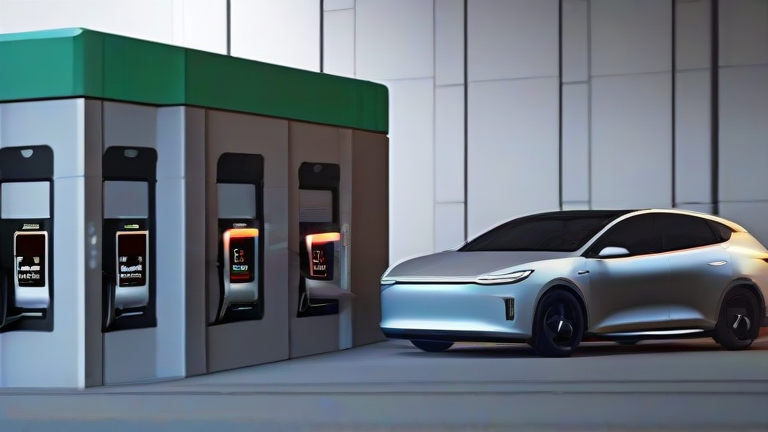
Solid-State Batteries Cut EV Charging to Just 5 Minutes

The electric vehicle (EV) industry stands on the precipice of a transformative era, driven by one of the most promising technological breakthroughs in modern engineering: solid-state batteries. For years, the promise of electric mobility has been tempered by the reality of range anxiety and lengthy charging times. However, recent advancements in solid-state technology are poised to shatter these barriers, potentially reducing charging durations to a mere five minutes, a timeframe comparable to filling up a conventional gasoline tank.
Historically, lithium-ion batteries have dominated the EV market, relying on liquid electrolytes that are prone to leakage, overheating, and degradation over time. Solid-state batteries replace this liquid with a solid material, such as a ceramic or glass polymer, which offers superior stability and energy density. This fundamental shift not only enhances safety but also allows for significantly faster ion transport, enabling rapid charging without the risk of thermal runaway. According to a recent report by BloombergNEF, the global market for solid-state batteries is expected to grow from a negligible fraction in 2023 to a multi-billion dollar industry by 2030, driven primarily by the automotive sector’s urgent need for next-generation energy storage.
Industry experts emphasize that the implications extend far beyond convenience. Dr. Elena Rossi, a leading materials scientist at the Institute for Advanced Energy Storage, notes, “The transition to solid-state is not just an incremental improvement; it is a paradigm shift. We are looking at energy densities that could double or even triple current lithium-ion capabilities. This means EVs with ranges exceeding 600 miles on a single charge, coupled with charging speeds that make the inconvenience of public charging stations a thing of the past.”
Market data supports this optimistic outlook. Major automakers, including Toyota, Samsung SDI, and QuantumScape, have invested billions into research and development, with several companies announcing pilot production lines scheduled to come online within the next three to five years. Analysts predict that by 2027, the cost of solid-state batteries will drop sufficiently to compete with traditional lithium-ion cells, accelerating widespread adoption. This cost parity is crucial, as it will
Leave a Reply