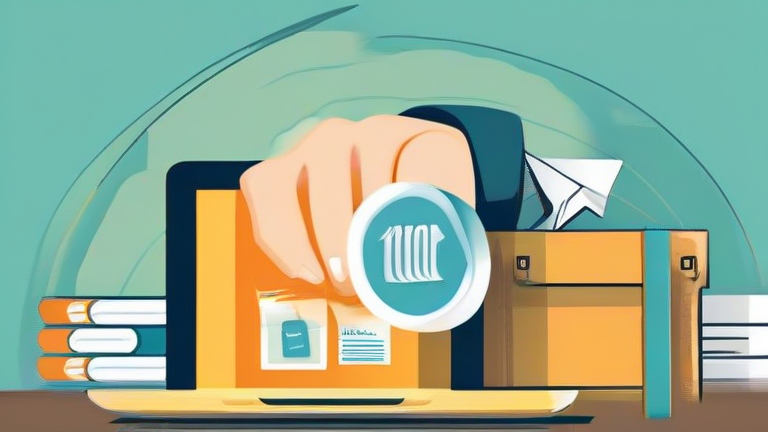
E-commerce: How to Handle a Flood of Support Emails
TL;DR: Automate routine inquiries using AI chatbots and clear FAQ pages to reduce manual workload. Focus your human team’s energy on complex issues and high-value customer interactions to maintain quality service.
In the vibrant world of digital commerce, the inbox can quickly become a digital storm. For many small business owners, the joy of a successful launch is often overshadowed by the relentless ping of support requests. However, managing this influx does not require drowning in chaos. Instead, it offers a unique opportunity for personal growth and cultural adaptation in how we view customer service. Think of your support team not as a call center, but as a cultural bridge connecting your brand’s values to the customer’s expectations.
If you want to dig deeper, check out our guide on Moderna’s Cancer Vaccine Bet: How It Saved the Company.
The Traveler’s Mindset
Consider the analogy of a seasoned traveler. When navigating a bustling foreign market, you do not try to memorize every vendor’s name immediately. You rely on maps, guidebooks, and established routes. In e-commerce, your FAQ page and automated responses are your maps. They guide customers to the information they need without requiring your direct intervention. By categorizing emails into “informational,” “transactional,” and “emotional,” you create a structured journey for both the customer and your support staff. This systematic approach reduces cognitive load, allowing your team to think more creatively and less reactively.
Furthermore, handling a flood of emails is a test of emotional intelligence. In a culture that values speed, it is easy to become defensive or frustrated. However, personal growth comes from mastering the art of calm under pressure. When a customer is upset, their email is often a signal of a deeper disconnect. Viewing these messages through a lens of empathy rather than annoyance transforms a logistical problem into a relationship-building opportunity. This shift in perspective is crucial for long-term brand loyalty.
Culinary Precision
Think of your support process like a professional kitchen during dinner service. Chaos is inevitable, but order is maintained through preparation and precision. You cannot cook every dish from scratch if the order comes in at the last second. Similarly, you cannot write unique responses for every “where is my order?” email. Standardize your templates for common issues. Just as a chef preps ingredients in advance, you should have pre-approved scripts for shipping delays, return policies, and product questions. This culinary precision ensures that even when the volume spikes, the quality of service remains consistent and fresh.
Finally, remember that technology is your sous chef, not your head chef. Use AI tools to triage and draft initial responses, but always leave room for the human touch. Customers crave authenticity. A simple, heartfelt apology or a personalized thank-you note can turn a negative experience into a positive one. By blending technological efficiency with human warmth, you create a support experience that feels less like a transaction and more like a meaningful connection. This balance is the secret to thriving in the high-pressure environment of modern e-commerce.
FAQ
Q: How do I prioritize urgent emails during a spike?
A: Use a keyword-based triage system to flag words like “urgent” or “lost” for immediate human review, while routing general inquiries to automated channels.
Q: Is it okay to use canned responses for all queries?
A: No, use templates for common questions but always add a personal sentence or adjust the tone to reflect the specific customer’s situation for authenticity.
Q: What is the best metric to track support efficiency?
A: Monitor the “first contact resolution” rate to see how many issues are solved in one interaction, as this directly correlates with customer satisfaction and workload reduction.
Leave a Reply