# How Neurotechnology Restores Motor Functions
**A Journey of Reconnection**
Traveling through the quiet, sun-drenched villages of Tuscany, I never expected my deepest lesson in personal growth to come from a lab coat rather than a landscape. Yet, there I was, sitting in a sleek, minimalist clinic in Zurich, watching a woman named Elena pour a glass of water with steady hands. It was a mundane act, perhaps even unremarkable to the untrained eye. But for Elena, who had suffered a stroke that paralyzed her right arm three years prior, this simple gesture was a monumental victory. Her journey is not just one of medical recovery; it is a profound narrative of reclaiming identity through the intersection of culture, technology, and the human spirit.
The Bridge Between Mind and Matter

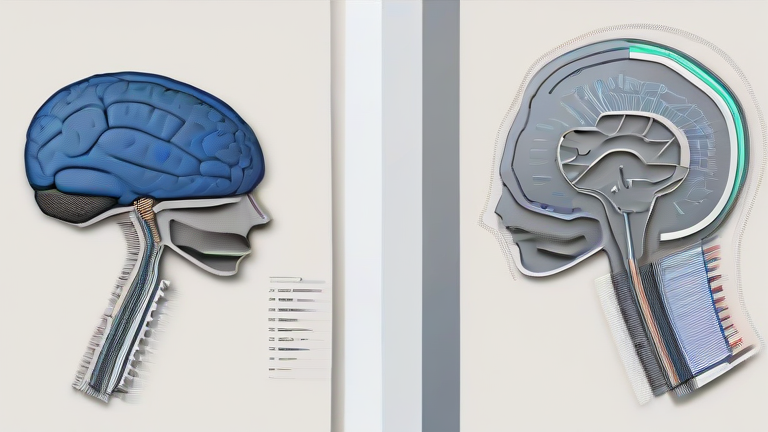
Neurotechnology, once the stuff of science fiction, has emerged as a compassionate companion in the realm of rehabilitation. Unlike traditional physical therapy, which relies heavily on repetitive mechanical movement, neurotechnology seeks to rewire the broken connections between the brain and the muscles. By using non-invasive brain-computer interfaces, these systems read the electrical signals generated in the motor cortex when a patient intends to move. These signals are then translated into commands that stimulate the paralyzed muscles or activate exoskeletons, effectively bypassing the injured neural pathways.
If you want to dig deeper, check out our guide on Top 5 Design Trends Reshaping Your Industry in 2024.
This process is not merely mechanical; it is deeply cultural and psychological. In many cultures, the ability to prepare and share food is a primary expression of care and community. For Elena, the loss of her ability to hold a utensil meant the loss of her role as a hostess in her family gatherings. The restoration of her motor functions did not just fix a limb; it restored her place at the table. This highlights a crucial aspect of personal growth: our abilities define our participation in society. When technology returns those abilities, it returns agency.
A New Culinary Awakening
The parallels between learning to cook and learning to move again are striking. Both require patience, precision, and a willingness to fail. When I visited Elena’s home for dinner, she prepared a traditional ris
Leave a Reply