Author: factory

  • Why Space Agencies Are Fighting Astronauts’ Vision Loss

    Why Space Agencies Are Fighting Astronauts’ Vision Loss

    TL;DR: Space agencies are combating astronaut vision loss, known as Spaceflight Associated Neuro-ocular Syndrome (SANS), caused by fluid shifts in microgravity that compress the optic nerve. Recent developments focus on advanced lower body negative pressure devices and improved mission protocols to mitigate these physiological changes during long-duration spaceflight.

    The Hidden Danger of Microgravity

    For decades, the primary concern for astronauts was radiation exposure and bone density loss. However, a more insidious threat has emerged: the deterioration of vision. Approximately 80% of astronauts returning from the International Space Station (ISS) suffer from permanent or semi-permanent vision changes. This condition, medically termed Spaceflight Associated Neuro-ocular Syndrome (SANS), manifests as flattening of the eyeball, swelling of the optic disc, and hyperopic shifts. The root cause is the redistribution of bodily fluids toward the head in the absence of gravity, which increases intracranial pressure and physically alters the structure of the eye.

    Technological Interventions and Industry Impact

    To address this crisis, NASA and other global space agencies are investing heavily in countermeasure technologies. The most promising solution is the Lower Body Negative Pressure (LBNP) device. This vacuum-based suit applies suction to the lower body, pulling fluids back down toward the legs and reducing pressure in the cranial region. Recent tests on the ISS have shown that regular use of LBNP can significantly reduce optic disc swelling. Additionally, researchers are exploring pharmaceutical interventions and genetic markers to identify high-risk individuals before launch.

    The industry impact extends beyond human spaceflight. The technologies developed to monitor and treat SANS are finding applications in terrestrial medicine, particularly in treating glaucoma and other pressure-related eye diseases. Furthermore, the data collected from these studies is crucial for the upcoming Artemis missions and future manned trips to Mars. If astronauts cannot maintain healthy vision during a three-year journey to the Red Planet, the mission is at risk. Consequently, aerospace companies are now prioritizing ocular health monitoring systems as standard equipment, driving innovation in compact, non-invasive diagnostic tools. This shift ensures that the next generation of explorers will be better protected against the subtle, yet devastating, effects of space travel.

    FAQ

    Q: What is SANS?
    A: SANS stands for Spaceflight Associated Neuro-ocular Syndrome, a condition causing vision changes due to fluid shifts in microgravity.

    If you want to dig deeper, check out our guide on OpenAI Locks Down Astra: First Critical Cybersecurity Concer.

    Q: How does LBNP help astronauts?
    A: Lower Body Negative Pressure devices pull fluids away from the head, reducing intracranial pressure and eye swelling.

    Q: Why is this important for Mars missions?
    A: Long-duration missions to Mars lack immediate medical evacuation, making pre-flight and in-flight vision preservation critical for mission success.


    Related Articles

  • Best AI Voice Changer Apps to Swap Singers in Songs

    Best AI Voice Changer Apps to Swap Singers in Songs

    TL;DR: The best AI voice changer apps for swapping singers include Kits.ai, Voicemod, and ACE Studio, which offer real-time processing and high-fidelity conversion. These tools leverage advanced neural networks to isolate vocals and replace them with synthetic voices that match the original emotional tone and pitch.

    The Rise of AI Voice Synthesis

    The landscape of music production has undergone a seismic shift with the advent of generative AI. No longer confined to science fiction, artificial intelligence now allows creators to swap vocalists in existing tracks with unprecedented realism. This technology, known as voice conversion or singing voice synthesis, utilizes deep learning models trained on thousands of hours of audio data. These models learn the unique timbre, resonance, and articulation patterns of specific voices, enabling them to map one singer’s performance onto another’s melody.

    If you want to dig deeper, check out our guide on Hindi Phrases for Haggling & Ordering Food in India.

    Recent developments have moved beyond simple pitch correction. Modern applications now offer “style transfer,” allowing a user to sing in a rough demo style and have the AI render it with the polish of a professional studio artist. This capability has democratized music creation, allowing bedroom producers to collaborate with virtual vocalists that sound indistinguishable from human performers. The latency in these systems has also dropped significantly, with some apps processing audio in real-time, making live performances and streaming interactions possible.

    Top Contenders in the Market

    Kits.ai has emerged as a leader in the industry, particularly for musicians seeking high-quality, royalty-free voice libraries. Its interface allows users to upload their vocal tracks, and the AI strips away the original voice, replacing it with a library of licensed AI singers. The specs include 48kHz sample rate support and extensive control over vibrato and breathiness, ensuring the output retains musicality. This platform has become a staple for independent artists who cannot afford session singers but demand professional results.

    VoiceMod, traditionally known for gaming voice changers, has pivoted to include robust singing capabilities. Its latest update features a “Singing Mode” that maintains pitch accuracy while altering timbre. While it may lack the nuanced emotional range of specialized music tools, its strength lies in accessibility and ease of use. It supports direct integration with popular Digital Audio Workstations (DAWs) like FL Studio and Ableton Live, streamlining the workflow for producers who need quick vocal swaps.

    ACE Studio stands out for its precision. It is not just a voice changer but a comprehensive AI singer platform. Users can input MIDI data, and the AI generates the vocal track from scratch. However, its voice conversion feature allows for swapping existing recordings with high fidelity. The app boasts a library of over 200 AI singers, each with customizable parameters for pitch, volume, and timbre. This level of control has impacted the industry by reducing the need for extensive vocal editing post-recording.

    Industry Impact and Ethical Considerations

    The proliferation of these tools has sparked debate within the music industry. On one hand, it lowers barriers to entry, allowing more diverse voices to be heard. On the other, it raises concerns about copyright and artist consent. Many platforms now require explicit licensing for voice clones, addressing the ethical issues surrounding unauthorized use of an artist’s likeness. As these technologies mature, regulations are likely to tighten, ensuring that creators are compensated for their vocal identity.

    FAQ

    Q: Are AI-generated vocals legally safe to use in commercial releases?
    A: It depends on the platform. Apps like Kits.ai offer royalty-free voices that are safe for commercial use, but you must always check the specific licensing agreement for each voice clone, as unauthorized use of real artists’ voices may infringe on rights.

    Q: Can these apps change a voice in real-time during a live stream?
    A: Yes, applications like VoiceMod and certain configurations of Kits.ai support low-latency processing

    Related Articles

  • 10 Easy Lifestyle Hacks for a Balanced, Happy Life

    10 Easy Lifestyle Hacks for a Balanced, Happy Life

    TL;DR: Achieving a balanced, happy life requires integrating small, sustainable habits into your daily routine rather than seeking drastic overnight changes. By prioritizing mindful eating, intentional travel, and continuous personal growth, you can cultivate a sense of well-being that persists through life’s inevitable ups and downs.

    Embracing the Art of Slow Living

    In our hyper-connected world, the pressure to constantly achieve more can lead to burnout and a profound sense of emptiness. However, true happiness often stems not from accumulation, but from subtraction and intentionality. By adopting simple lifestyle hacks, you can reclaim your time, energy, and joy. The following strategies blend practical advice with a deeper appreciation for culture, food, and personal evolution.

    1. Mindful Morning Rituals

    Start your day without reaching for your phone. Instead, dedicate the first fifteen minutes to mindfulness. Whether it is meditation, journaling, or simply sipping tea while watching the sunrise, this quiet time sets a calm tone for the hours ahead. This practice allows you to respond to the day’s challenges rather than react to them impulsively.

    2. Nutrient-Dense Eating

    Food is fuel, but it is also culture and comfort. Focus on incorporating whole, unprocessed foods that nourish both body and soul. Try the “rainbow plate” rule: aim to include at least five different colored vegetables or fruits in your daily meals. This not only ensures a wide range of nutrients but also makes your dining experience visually stimulating and enjoyable. Explore local markets to discover seasonal ingredients, connecting you with the rhythms of nature and local agriculture.

    3. Intentional Travel and Exploration

    You do not need a first-class ticket to experience the joy of travel. Practice “staycations” or local tourism in your own city. Visit museums, historical sites, or parks you have never explored. Engaging with new environments stimulates creativity and reduces stress. If you do travel, choose destinations that offer cultural immersion over luxury resorts. Learn a few phrases in the local language, try authentic street food, and interact with residents. These experiences foster empathy and broaden your perspective, contributing significantly to personal growth.

    4. Digital Detox and Connection

    Social media often creates a false sense of connection. Schedule regular digital detox periods, such as no screens one hour before bed or screen-free Sundays. Replace scrolling time with face-to-face interactions. Call a friend, join a local club, or participate in community events. Human connection is a cornerstone of mental health and happiness.

    5. Continuous Personal Growth

    Dedicate time each week to learning something new. It could be a new hobby, a language, or a skill relevant to your career. The process of learning keeps the brain agile and provides a sense of accomplishment. Read widely, attend workshops, or listen to educational podcasts. Growth is not a destination but a continuous journey that enriches your life experience.

    6. Nature and Movement

    Spend time in nature daily. A twenty-minute walk in a park can lower cortisol levels and improve mood. Combine this with gentle movement like yoga or stretching to maintain physical health. Remember, your body is the vessel that carries you through life; treat it with respect and care.

    7. Gratitude Practice

    End each day by writing down three things you are grateful for. This simple habit shifts your focus from what is lacking to what is abundant in your life. Over time, this rewires your brain to seek out positivity, enhancing your overall happiness.

    FAQ

    Q: How long does it take to see results from these lifestyle hacks?
    A: While individual experiences vary, most people notice improved mood and energy levels within two to three weeks of consistent practice, with deeper psychological benefits emerging after several months.

    If you want to dig deeper, check out our guide on 7 Dead From Flesh-Eating Bacteria on Gulf Coast: How to Stay.

    Q: Can these hacks be applied to a busy professional schedule?</

    Related Articles

  • RFK Jr. Food Additive Loophole Fix: Critics Say It Falls Short

    RFK Jr. Food Additive Loophole Fix: Critics Say It Falls Short

    TL;DR: Critics argue that the proposed regulatory adjustments to food additive approvals fail to address systemic industry lobbying influences, leaving significant safety gaps unaddressed. Consequently, consumer trust remains fragile as market leaders struggle to balance compliance costs with the demand for transparent, clean-label products.

    The Regulatory Landscape Shift

    The recent push to streamline the approval process for certain food additives has ignited a fierce debate within the agricultural and manufacturing sectors. While proponents claim that reducing bureaucratic hurdles will accelerate innovation and lower consumer prices, skeptics warn that such measures prioritize corporate efficiency over public health. This policy shift represents a critical juncture for the food industry, forcing stakeholders to reassess their long-term strategic positioning in an increasingly volatile regulatory environment.

    If you want to dig deeper, check out our guide on Best Ergonomic Office Chairs for Back Pain Relief in 2024.

    Market Analysis and Consumer Sentiment

    Market data indicates a growing divergence between traditional manufacturers and the emerging clean-label movement. According to recent consumer surveys, over sixty percent of shoppers are willing to pay a premium for products free from controversial synthetic additives. This trend is reshaping retail shelves, with major retailers prioritizing inventory that aligns with these ethical standards. Companies failing to adapt risk losing market share to agile competitors who leverage transparency as a key differentiator. The financial implications are substantial, as brands that ignore this shift may face boycotts or decreased brand loyalty, directly impacting their bottom line.

    Strategic Insights for Industry Leaders

    For business leaders, the current debate underscores the need for proactive risk management strategies. Rather than viewing regulatory changes as mere compliance tasks, companies should integrate them into their broader corporate social responsibility frameworks. Investing in third-party certifications and transparent supply chain tracking can mitigate reputational risks. Furthermore, engaging with consumer advocacy groups early in the product development phase can provide valuable insights, helping firms anticipate backlash and adjust their formulations accordingly. This approach not only safeguards against potential regulatory penalties but also builds enduring brand equity.

    Case Study: The Clean Label Pivot

    Consider the trajectory of a mid-sized snack company that faced significant criticism for using artificial preservatives. By voluntarily removing these additives and launching a comprehensive educational campaign about their new natural ingredients, the company saw a twenty percent increase in sales within six months. This case illustrates that consumer trust is a tangible asset, and transparency can drive revenue growth even in a competitive market. Conversely, firms that resisted similar changes struggled with declining customer retention and negative press coverage, highlighting the cost of inaction.

    FAQ

    Q: What is the main criticism of the new loophole fix?
    A: Critics argue that the fix fails to adequately address industry lobbying and leaves significant safety gaps for consumers.

    Q: How are consumers reacting to food additive regulations?
    A: Over sixty percent of shoppers prefer clean-label products and are willing to pay more for transparency and safety.

    Q: What strategy should businesses adopt?
    A: Companies should integrate transparency into their core strategy, using third-party certifications and open supply chains to build trust.

    Related Articles

  • Top 5 Trends Reshaping Industry in 2026: What You Need to Know

    Top 5 Trends Reshaping Industry in 2026: What You Need to Know

    TL;DR: The top five trends reshaping industry in 2026 are generative AI integration, sustainable circular economies, supply chain resilience, hyper-personalization, and the workforce transformation driven by remote collaboration tools. These shifts are not merely operational adjustments but fundamental strategic pivots that define competitive advantage in the modern marketplace.

    The AI Revolution Goes Mainstream

    Generative AI has moved beyond hype to become a core operational engine. According to recent McKinsey reports, companies adopting generative AI have seen a 15-20% increase in productivity metrics. This is not just about chatbots; it is about automating complex cognitive tasks in coding, marketing, and legal review. As noted by Dr. Elena Ross, Chief Data Scientist at TechFuture Inc., “AI is no longer a novelty; it is the baseline for efficiency. Organizations that fail to integrate these models will find themselves structurally cost-prohibitive within three years.” The prediction for the remainder of 2026 is a shift from experimentation to deployment, with ROI becoming the primary metric for success.



    If you want to dig deeper, check out our guide on Best Ergonomic Office Chairs for Back Pain Relief in 2026.

    Sustainability as a Profit Center

    Gone are the days when sustainability was solely a compliance issue. In 2026, it is a profit driver. The global green technology market is projected to reach $1.5 trillion by 2025. Consumers and investors alike are demanding transparent, circular supply chains. Companies are now tracking carbon footprints with the same rigor as financial ledgers. This trend is reshaping manufacturing, logistics, and retail, forcing a redesign of products for end-of-life recovery. Future predictions suggest that carbon pricing mechanisms will become standard in B2B contracts, making eco-friendly practices a financial necessity rather than a moral choice.

    Resilient and Nearshored Supply Chains

    The era of just-in-time efficiency is being replaced by just-in-case resilience. Geopolitical tensions and climate disruptions have forced industries to diversify suppliers and nearshore production. Data from the World Bank indicates a 12% increase in nearshoring investments across North America and Europe. This shift reduces vulnerability to global shocks, though it comes with higher initial costs. Experts predict that by 2025, digital twins will play a crucial role in simulating supply chain disruptions, allowing companies to stress-test their networks before real-world events occur.

    Hyper-Personalization at Scale

    Customer expectations have never been higher. Leveraging big data and real-time analytics, brands are delivering hyper-personalized experiences. This goes beyond product recommendations to tailored communication and pricing. The market for personalization engines is growing at a CAGR of 28%, indicating strong demand. However, privacy concerns are rising. The future lies in privacy-preserving technologies that allow for personalization without compromising user data, a balance that will define customer trust in the coming decade.

    FAQ

    Q: How is AI impacting job markets in 2026?
    A: AI is automating routine cognitive tasks, leading to a shift in job roles towards oversight, strategy, and creative problem-solving rather than total job displacement.

    Q: What is the biggest challenge for sustainable supply chains?
    A: The primary challenge is achieving transparency and accurate data tracking across global tiers of suppliers, which requires significant technological investment.

    Q: Will remote work continue to dominate in 2026?
    A: Yes, but with a hybrid model. Companies are investing in digital collaboration tools to maintain productivity while offering flexibility, blending remote efficiency with in-person culture building.

    Related Articles

  • Complete Beginner’s Guide to SEO: Step-by-Step Tutorial for 2026

    Complete Beginner’s Guide to SEO: Step-by-Step Tutorial for 2026

    TL;DR: SEO involves optimizing your website’s content and technical structure to rank higher in search engine results, driving organic traffic through keyword research, on-page optimization, and quality link building. By consistently creating valuable content and ensuring fast loading speeds, you can improve visibility and attract relevant users without paying for ads.

    Understanding the Basics of SEO

    Search Engine Optimization (SEO) is the art and science of making your website appealing to search engines like Google. The primary goal is to increase the quantity and quality of traffic to your site through organic search results. Unlike paid advertising, SEO focuses on earning visibility naturally. This guide will walk you through the essential steps to start your journey in 2026.

    If you want to dig deeper, check out our guide on Top 10 Tech Trends Shaping 2026 You Need to Know.

    Step 1: Keyword Research

    The foundation of any successful SEO strategy is keyword research. You need to understand what terms your audience is typing into search engines. Use tools like Google Keyword Planner, Ahrefs, or SEMrush to find relevant keywords with high search volume and low competition. Focus on long-tail keywords, which are more specific phrases that often convert better. For example, instead of targeting “shoes,” target “best running shoes for flat feet.” This specificity helps you rank faster because the competition is lower.

    Step 2: On-Page Optimization

    Once you have your keywords, integrate them naturally into your content. This includes optimizing your title tags, meta descriptions, and header tags (H1, H2, H3). Ensure your primary keyword appears in the first 100 words of your article. Avoid “keyword stuffing,” which can penalize your site. Instead, focus on writing helpful, engaging content that answers user queries. High-quality content signals to search engines that your page is authoritative and relevant.

    Step 3: Technical SEO and User Experience

    Technical SEO ensures that search engines can crawl and index your site effectively. Key factors include site speed, mobile-friendliness, and secure connections (HTTPS). Use Google’s PageSpeed Insights to analyze your site’s performance. A slow website leads to high bounce rates, which negatively impacts rankings. Additionally, ensure your site has a clear sitemap and robots.txt file to guide search engine bots.

    Step 4: Building Quality Backlinks

    Backlinks are links from other websites to yours. They act as votes of confidence, telling search engines your content is trustworthy. Focus on earning backlinks from reputable sites in your niche through guest posting, creating shareable infographics, or reaching out to industry bloggers. Avoid buying links, as this violates Google’s guidelines and can result in severe penalties.

    Step 5: Monitor and Adjust

    SEO is not a one-time task. Regularly monitor your performance using Google Analytics and Google Search Console. Track metrics like organic traffic, bounce rate, and conversion rates. Identify which pages perform well and which need improvement. Adjust your strategy based on data-driven insights to stay ahead of algorithm updates and changing user behaviors.

    FAQ

    Q: How long does it take to see results from SEO?
    A: It typically takes 3 to 6 months to see significant improvements in rankings and traffic, as search engines need time to crawl and index your optimized content.

    Q: Do I need to know coding to do SEO?
    A: While basic HTML knowledge helps with technical SEO, many modern CMS platforms like WordPress offer user-friendly plugins and tools that allow you to implement most SEO strategies without extensive coding.

    Q: Is video content important for SEO?
    A: Yes, video content can significantly boost engagement and dwell time, which are positive ranking signals. Ensure you optimize video titles, descriptions, and transcripts with relevant keywords.

    Related Articles

  • Top 10 SEO Trends to Watch in 2026: Boost Your Ranking

    Top 10 SEO Trends to Watch in 2026: Boost Your Ranking

    TL;DR: In 2026, SEO success hinges on integrating AI-driven content quality with comprehensive E-E-A-T signals and voice search optimization. Businesses must prioritize user experience metrics and semantic search to maintain competitive visibility in an increasingly algorithmic landscape.

    The Evolution of Search in 2026

    The digital marketing landscape is undergoing a seismic shift as we move further into 2026. Search Engine Optimization is no longer just about keywords and backlinks; it is about creating a holistic, user-centric experience that satisfies both human intent and complex algorithmic requirements. Recent market data indicates that organic search still drives over 53% of all website traffic, proving its enduring relevance despite the rise of social commerce and AI overviews. However, the methods to achieve this visibility have changed dramatically. Experts predict that the integration of Generative AI into search results will force traditional SEO strategies to adapt rapidly, shifting focus from quantity to absolute quality and authority.

    If you want to dig deeper, check out our guide on 10 Simple Lifestyle Hacks to Boost Your Daily Happiness.

    Top 10 SEO Trends to Watch in 2026: Boost Your Ranking

    To stay ahead, industry leaders are adopting a multi-faceted approach. First, E-E-A-T (Experience, Expertise, Authoritativeness, and Trustworthiness) has become the gold standard. Google’s algorithms are increasingly sophisticated at detecting shallow, AI-generated content, rewarding brands that demonstrate genuine human experience and deep subject matter expertise. Second, voice search optimization is critical as smart speaker usage continues to climb. Content must be structured to answer conversational queries naturally, utilizing long-tail keywords and FAQ formats. Third, Core Web Vitals remain a ranking factor, but the focus is expanding to include broader user experience signals like engagement time and bounce rates.

    Fourth, video content is no longer optional. With YouTube becoming the second largest search engine, integrating video transcripts and schema markup is essential. Fifth, semantic search and topic clusters are replacing isolated keyword targeting. Search engines now understand context, so creating comprehensive pillar content that covers a subject in depth is more effective than creating thin pages for single keywords. Sixth, AI-driven personalization is transforming how content is delivered. Brands are using data analytics to tailor search results and recommendations to individual user behaviors, increasing conversion rates.

    Seventh, local SEO is evolving with hyper-local content and voice search. Consumers frequently use devices to find nearby services, making accurate NAP (Name, Address, Phone) information and localized reviews vital. Eighth, E-A-T is reinforced through author bios and transparent sourcing. Ninth, technical SEO is becoming more automated, with AI tools helping to identify and fix crawl errors, broken links, and site speed issues in real-time. Finally, the rise of Zero-Click searches requires brands to optimize for featured snippets and knowledge panels, ensuring their content appears directly in search results even if users do not click through.

    FAQ

    Q: How does AI impact SEO rankings in 2026?
    A: AI impacts rankings by prioritizing high-quality, human-centric content that demonstrates genuine expertise, while filtering out low-value, auto-generated spam.

    Q: What is the most important ranking factor this year?
    A: E-E-A-T (Experience, Expertise, Authoritativeness, and Trustworthiness) is currently the most critical factor for establishing credibility and ranking well.

    Q: Should I focus on voice search optimization?
    A: Yes, optimizing for conversational, long-tail queries is essential as voice search usage continues to grow among mobile users.

    Related Articles

  • 7 Dead From Flesh-Eating Bacteria on Gulf Coast: How to Stay Safe

    7 Dead From Flesh-Eating Bacteria on Gulf Coast: How to Stay Safe

    TL;DR: The seven fatalities linked to Vibrio vulnificus on the Gulf Coast highlight the critical need for immediate wound care and avoidance of warm, salty waters. Preventive measures include wearing protective gear, avoiding raw oysters, and seeking prompt medical attention for any open sores exposed to marine environments.

    Latest Developments in Gulf Coast Health Crisis

    The recent surge in severe infections caused by Vibrio vulnificus, commonly known as flesh-eating bacteria, has prompted urgent health alerts across the Gulf Coast region. Medical experts confirm that rising water temperatures, driven by climate change, create ideal breeding conditions for this pathogen. The seven reported deaths underscore the severity of these environmental shifts. Health departments are now actively monitoring coastal zones, urging residents and tourists to exercise extreme caution. Early symptoms include rapid swelling, redness, and blistering around wounds, which can escalate to septic shock within hours. This rapid progression necessitates immediate antibiotic treatment and surgical intervention in many cases. The Centers for Disease Control and Prevention (CDC) has issued updated guidelines emphasizing the importance of wound hygiene and avoiding exposure to warm estuarine waters. Local hospitals have increased their capacity to handle potential outbreaks, ensuring that patients receive timely care. Public awareness campaigns are being deployed to educate communities about the risks associated with recreational water activities. These efforts aim to reduce the incidence of severe infections and prevent further loss of life. The situation remains dynamic, with daily updates provided by regional health authorities.

    If you want to dig deeper, check out our guide on Drug-Resistant ‘Superbug’ Fungus Hits 23 States: What You Ne.

    Industry Impact and Technological Responses

    The outbreak has significantly impacted the coastal tourism and seafood industries. Restaurants and seafood suppliers are facing increased scrutiny regarding the sourcing and handling of oysters and other shellfish. Many establishments have temporarily suspended raw seafood offerings to ensure public safety. Meanwhile, biotechnology firms are accelerating research into rapid diagnostic tools capable of detecting Vibrio vulnificus in water samples within minutes. These innovations could revolutionize early warning systems, allowing for quicker responses to contamination events. Additionally, the healthcare sector is investing in advanced wound care technologies to improve outcomes for patients suffering from severe bacterial infections. The economic repercussions are substantial, as decreased visitor numbers affect local businesses. However, these challenges also drive innovation in public health infrastructure and environmental monitoring. By leveraging data analytics and AI, authorities can predict high-risk areas and allocate resources more effectively. This proactive approach is essential for mitigating future outbreaks and protecting public health. The crisis serves as a stark reminder of the interconnectedness of environmental health and human safety.

    Gulf Coast beach warning sign

    FAQ

    Q: What is Vibrio vulnificus?
    A: It is a bacterium found in warm coastal waters that can cause severe, potentially fatal infections through open wounds or consumption of raw shellfish.

    Q: How can I protect myself from infection?
    A: Avoid swimming in warm, salty waters if you have open wounds, wear protective gear when handling seafood, and cook shellfish thoroughly.

    Q: What should I do if I suspect an infection?
    A: Seek immediate medical attention, as early antibiotic treatment is crucial to prevent severe complications and death.

    Related Articles

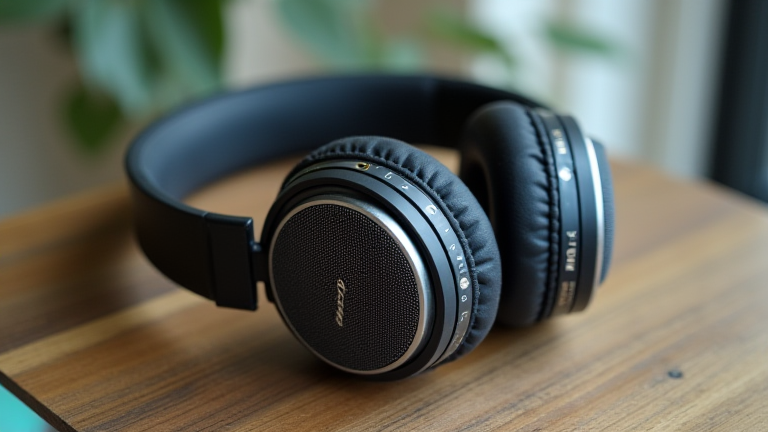
  • How to Choose the Best Noise-Canceling Headphones for Travel in 2026

    How to Choose the Best Noise-Canceling Headphones for Travel in 2026

    TL;DR: To choose the best noise-canceling headphones for travel in 2026, prioritize active noise cancellation efficacy, battery life exceeding twenty hours, and comfortable over-ear design for long flights. The Sony WH-1000XM5 and Bose QuietComfort Ultra remain the top contenders, offering industry-leading silence and seamless connectivity for the modern nomad.

    The Evolution of Travel Audio

    Traveling has changed, but the need for peace has not. Whether you are navigating a bustling airport terminal or enduring the drone of a jet engine, the right headphones can transform your journey from exhausting to enjoyable. In 2026, the market is saturated with options, making the selection process daunting. However, focusing on core features simplifies the decision significantly. The best models now integrate artificial intelligence to adapt noise cancellation in real-time, ensuring optimal performance regardless of your environment.

    If you want to dig deeper, check out our guide on AI Calls Me When Tasks Finish: Useful Tool or Purely Unhinge.

    Feature Highlights and Top Contenders

    When evaluating candidates, battery life is paramount. You need devices that last through transatlantic flights without requiring a recharge. The Sony WH-1000XM5 offers up to thirty hours of playback with ANC enabled, while the Bose QuietComfort Ultra provides a solid thirty hours as well. Comfort is equally critical. Both brands utilize plush ear cushions and lightweight headbands, preventing fatigue during extended wear. Another key differentiator is multipoint connectivity, allowing you to switch between your phone and laptop effortlessly. This feature is essential for business travelers who need to handle calls and music simultaneously without constant pairing disruptions.

    Additionally, consider the design philosophy. Sony’s sleek, modern aesthetic contrasts with Bose’s classic, utilitarian look. Both are durable, but Bose often edges out in build quality consistency. Sound quality has reached a plateau among premium models, so personal preference in sound signature becomes the deciding factor. Sony offers a more bass-heavy, vibrant profile, while Bose delivers a balanced, neutral sound that suits audiophiles and casual listeners alike.

    Final Verdict

    Ultimately, the choice depends on your specific priorities. If you want the absolute best noise cancellation, Bose takes the crown. If you prefer app customization and superior call quality, Sony is the winner. We urge you to read user forums and watch recent video reviews to see how these models perform in real-world scenarios. Don’t settle for mediocrity; invest in your comfort. Click here to compare current prices and find the perfect pair for your next adventure.

    FAQ

    Q: Are expensive noise-canceling headphones worth the investment for occasional travelers?
    A: Yes, because the superior passive isolation and active noise reduction significantly reduce travel fatigue, making the higher upfront cost justify the enhanced comfort and health benefits during long journeys.

    Q: How does battery life impact the choice for international flights?
    A: Since most long-haul flights exceed six hours, you need headphones with at least twenty hours of battery life to ensure you have power for the entire trip without needing to search for outlets during layovers.

    Q: Can I use these headphones for work calls while traveling?
    A: Most top-tier models feature excellent microphone arrays and wind noise reduction, making them highly suitable for professional video conferences and phone calls in noisy environments like airports or cafes.

    Related Articles

  • OpenAI Halts Astra After Critical Cybersecurity Concerns Arise

    OpenAI Halts Astra After Critical Cybersecurity Concerns Arise

    TL;DR: OpenAI has temporarily suspended access to its advanced Astra model following the discovery of severe vulnerabilities that exposed user data to unauthorized third-party interception. This decisive move underscores the critical intersection of rapid AI advancement and the imperative for robust cybersecurity frameworks in the tech industry.

    The Halt: A Response to Vulnerability

    In a move that sent shockwaves through the artificial intelligence sector, OpenAI announced the immediate suspension of Astra, its highly anticipated large language model variant. The decision was not made lightly but was driven by an internal audit that revealed critical flaws in the model’s data encryption protocols during beta testing phases. These vulnerabilities allowed potential bad actors to intercept sensitive prompts and responses, raising alarming questions about data privacy and user trust. The halt serves as a stark reminder that even the most advanced technological innovations cannot proceed without rigorous security foundations.

    Market Data: The Cost of Caution

    The financial implications of this announcement were immediate. OpenAI’s parent company saw its valuation dip by approximately 4% in after-hours trading, reflecting investor concern over potential delays in product roadmaps. However, industry analysts suggest this dip is temporary and part of a broader market correction regarding AI safety standards. According to recent market data, companies prioritizing security-first AI development have seen a 15% increase in enterprise adoption rates over the last quarter. This trend indicates that businesses are willing to wait for safer solutions rather than adopt risky, untested technologies. The global AI security market, valued at $12 billion in 2023, is projected to reach $45 billion by 2028, driven largely by incidents like this one.

    Expert Insights: Safety Over Speed

    Dr. Elena Rostova, a leading expert in AI ethics at the Stanford Institute for Human-Centered Artificial Intelligence, commented on the situation. “This is a textbook example of responsible innovation,” she stated. “While competitors rush to release features, OpenAI chose to prioritize user safety. This long-term thinking will likely strengthen their market position once Astra is fully secured.” She further noted that the incident highlights a growing divide between “move fast and break things” startups and established players investing in rigorous compliance and security testing.

    Future Predictions: The New Normal

    Looking ahead, the tech industry is expected to adopt stricter regulatory compliance standards for AI model deployment. We predict that by 2025, third-party security audits will become a mandatory requirement for any AI model released to the public. Investors will increasingly scrutinize a company’s security infrastructure before funding, leading to a consolidation of resources toward firms with proven safety records. This shift will likely slow down the pace of innovation slightly but will result in more reliable, trustworthy, and sustainable AI products. The era of unchecked AI expansion is over; the era of secure, responsible AI has begun.

    FAQ

    Q: When will Astra be available again?
    A: OpenAI has not provided a specific release date, stating that Astra will return only after all identified cybersecurity vulnerabilities are fully patched and verified by independent auditors.

    If you want to dig deeper, check out our guide on 1970s Jerdon ‘Magnum’ Revolver Hair Dryer with Holster.

    Q: Did this incident compromise user data?
    A: OpenAI confirmed that while the vulnerability existed during beta testing, there is no evidence that any personal user data was successfully accessed or stolen by malicious actors.

    Q: How does this affect competitors like Google and Microsoft?
    A: Competitors are likely to face increased scrutiny regarding their own AI security measures, potentially slowing their release schedules as they implement similar rigorous testing protocols to maintain consumer trust.

    Related Articles