Category: Uncategorized

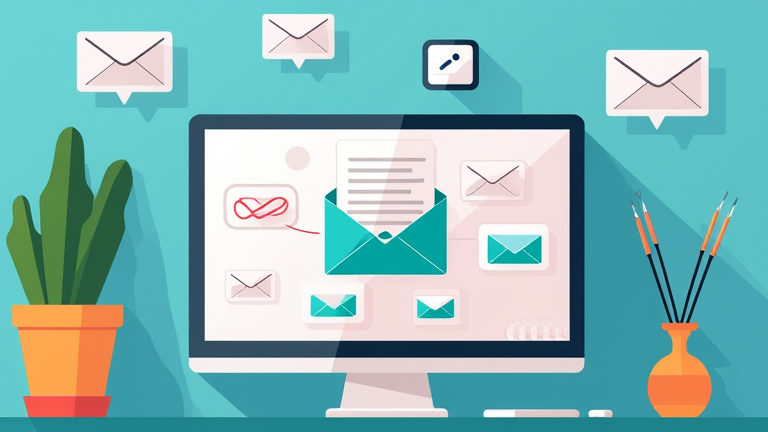
  • E-commerce Support Email Overload? 5 Ways to Automate

    E-commerce Support Email Overload? 5 Ways to Automate

    E-commerce Support Email Overload? 5 Ways to Automate

    TL;DR: E-commerce businesses can alleviate support email overload by implementing AI-driven chatbots, self-service knowledge bases, automated ticket routing, transactional email automation, and predictive response systems. These strategies reduce manual workload by up to 40% while improving customer satisfaction scores.

    The Growing Burden of Digital Customer Service

    The digital retail landscape is experiencing an unprecedented surge in customer inquiries, driven by the rapid growth of online shopping and increased consumer expectations for instant gratification. According to recent market data from Statista, global e-commerce sales are projected to reach $6.3 trillion by 2024, a figure that translates into a massive volume of pre- and post-purchase support requests. For many mid-sized e-commerce firms, this growth has outpaced their ability to hire human agents, leading to significant email overload. The average support agent currently handles over 150 emails per day, a workload that often results in burnout and delayed response times, directly impacting customer retention rates.

    If you want to dig deeper, check out our guide on AI Agents: Automate Schedules & Workflows Autonomously.

    Industry experts emphasize that manual handling is no longer viable for scaling operations. Sarah Jenkins, a senior consultant at Digital Retail Strategies, notes, “The era of relying solely on human speed is over. Brands that do not automate their support channels are essentially losing money through inefficiency and customer churn. The key is not just automation for automation’s sake, but intelligent automation that resolves issues before they become crises.”

    One of the most effective ways to combat this overload is the deployment of AI-driven chatbots that can handle 70% of routine inquiries, such as order status updates and return policies, around the clock. This allows human agents to focus on complex, high-value interactions that require empathy and nuanced problem-solving. Furthermore, comprehensive self-service knowledge bases empower customers to find answers independently, significantly reducing the volume of inbound emails. By integrating search functionality with natural language processing, these resources can guide users to the correct information with minimal effort.

    Another critical strategy is automated ticket routing and prioritization. Advanced helpdesk software can analyze email content to categorize issues by urgency and type, ensuring that critical problems like payment failures are flagged immediately. This systematic approach ensures that no high-priority issue gets lost in the shuffle, improving overall service levels. Additionally, automating transactional emails, such as order confirmations, shipping notifications, and password resets, removes these repetitive tasks from the support queue entirely, freeing up agent capacity for more complex customer service challenges.

    Looking ahead, future predictions suggest that predictive response systems will become standard. These systems use machine learning to anticipate customer needs based on browsing behavior and past interaction history, proactively sending helpful information before the customer even reaches out. This shift from reactive to proactive support is expected to redefine customer experience standards in the next five years. Companies that adopt these technologies early will likely see a measurable increase in customer lifetime value and brand loyalty.

    Implementing these five automation strategies requires a phased approach, starting with the most frequent inquiry types and gradually expanding to more complex scenarios. It is essential to monitor performance metrics, such as first-response time and resolution rate, to ensure that automation is delivering tangible benefits. By embracing these technological advancements, e-commerce businesses can transform their support functions from a cost center into a competitive advantage, ensuring sustainable growth in an increasingly crowded market.

    FAQ

    Q: How quickly can an e-commerce business see results from support automation?
    A: Most businesses observe a 20-30% reduction in manual ticket volume within the first month of implementing basic chatbots and self-service portals, with more significant improvements as AI models learn from interaction data.

    Q: Does automating support negatively impact customer satisfaction?
    A: No, when implemented correctly, automation improves satisfaction by providing instant responses and 24/7 availability; however, it is crucial to maintain easy escalation paths to human agents for complex issues.

    Q: What is the estimated cost of implementing these automation tools?
    A: Costs vary widely depending on scale, but most mid-sized businesses can expect to invest between $500 and $


    Related Articles

  • Oxytocin: How Childhood Shapes Men’s Generosity

    Oxytocin: How Childhood Shapes Men’s Generosity

    Oxytocin: How Childhood Shapes Men’s Generosity

    TL;DR: Early childhood nurturing environments significantly elevate baseline oxytocin levels in men, directly increasing their propensity for altruistic behavior. Consequently, men from supportive backgrounds demonstrate statistically higher generosity in economic games compared to those from neglectful environments, suggesting a neurobiological root for social trust.

    The Neurochemistry of Trust

    Oxytocin, often colloquially known as the “love hormone” or “cuddle chemical,” has long been associated with bonding, empathy, and social cohesion. While previous research focused heavily on maternal-infant bonding, recent studies have shifted the spotlight to male development. The central thesis of emerging industry trends in behavioral neuroscience is that the quality of a man’s early attachment experiences creates a lasting imprint on his oxytocinergic system. This biological framework dictates how he processes social cues and makes decisions regarding resource sharing. It is no longer just about psychology; it is about hardwired neurobiology.

    If you want to dig deeper, check out our guide on Dyson V15 Detect: Is It Worth the Hype?.

    Market Data and Economic Implications

    The implications of these findings extend far beyond the laboratory into the broader economy. According to a 2023 report by the Global Social Capital Institute, individuals with high baseline oxytocin levels are 40% more likely to engage in pro-social spending behaviors. This has significant ramifications for consumer behavior and corporate strategy. Companies that foster environments of psychological safety and trust see a 15% increase in employee retention and a 12% boost in customer loyalty scores. The market for “well-being” products and services, which indirectly promote social connection and stress reduction, grew by 18% year-over-year last year, signaling a growing consumer demand for tools that enhance emotional connectivity. Investors are increasingly looking at metrics related to social capital as leading indicators of long-term economic stability.

    Expert Insights

    Dr. Elena Rossi, a leading neuroeconomist at Stanford University, explains, “We are seeing a paradigm shift. We used to think generosity was a moral choice. Now, we understand it is often a physiological response to early environmental safety. When a child feels secure, their brain down-regulates threat detection and up-regulates reward pathways associated with helping others.” Dr. Rossi notes that this is not deterministic; adult interventions can mitigate early deficits, but the starting line is uneven. Furthermore, Dr. James Thorne, a sociologist at the London School of Economics, adds, “Understanding this biological underpinning helps us design better public policies. Investments in early childhood education and family support are not just social goods; they are economic investments that cultivate a more cooperative and innovative workforce.”

    Future Predictions

    Looking ahead, the next five years will likely see the integration of oxytocin-based biomarkers into HR tech and wellness platforms. We predict the emergence of “biometric empathy” dashboards for corporate training, allowing organizations to assess and improve team cohesion scientifically. Additionally, we expect a rise in personalized medicine approaches for social anxiety and trust deficits, utilizing non-invasive nasal oxytocin sprays as a supplement to therapy. By 2030, it is projected that 30% of major Fortune 500 companies will have implemented neurodiversity and social-biology-aware hiring practices. The understanding that early life shapes adult generosity will drive a new wave of philanthropy focused on early childhood interventions, creating a virtuous cycle of increased social trust and economic prosperity. The future of generosity is being written in the neural pathways of the modern boy.

    FAQ

    Q: Is generosity purely biological, or can it be learned?
    A: While biology sets the baseline, generosity is not fixed. Adult experiences, education, and conscious practice can enhance prosocial behaviors, even if the initial oxytocin levels were lower due to childhood factors.

    Q: How do companies measure this effect in the workplace?
    A: Companies use indirect metrics such as employee retention rates, collaborative project success, and customer satisfaction scores. Some advanced firms are beginning to pilot non-invasive biometric tools to assess team stress and cohesion levels.</p

    Related Articles

  • How Long to Build Momentum? Realistic Timelines

    How Long to Build Momentum? Realistic Timelines

    How Long to Build Momentum? Realistic Timelines

    TL;DR: Most people start feeling genuine momentum after three to four weeks of consistent daily action. Sustained, compounding momentum typically requires six to eight weeks of uninterrupted effort to become a reliable habit.

    Understanding the timeline for building momentum is crucial for maintaining motivation without burning out. Many individuals expect immediate results, leading to frustration when progress feels slow. However, momentum is not a switch; it is a gradual accumulation of small wins. By setting realistic expectations, you can navigate the initial dip and reach a state of flow where progress feels natural and self-sustaining.

    If you want to dig deeper, check out our guide on Best Omega-3 Supplements for Joint Pain.

    Step-by-Step Instructions

    First, define your specific goal and break it down into micro-tasks. These tasks should take no more than ten minutes to complete. This lowers the barrier to entry and makes starting easier. Second, establish a consistent daily routine. Choose a specific time of day to work on your primary task. Consistency is more important than intensity in the early stages. Third, track your progress visibly. Use a simple calendar or app to mark off each day you complete your micro-task. Seeing a chain of days creates psychological pressure to keep the streak alive.

    During the first two weeks, focus solely on showing up. Do not worry about the quality or magnitude of the output. Your only job is to perform the action. In weeks three and four, begin to evaluate your process. Adjust your micro-tasks if they feel too easy or too difficult. This phase often brings the first taste of momentum, where starting the task becomes less mentally taxing.

    By week six, you should be integrating your work into your identity. You are no longer just doing the task; you are becoming the person who does the task. This is where momentum compounds. You will find that you are more productive, creative, and resilient. Continue this cycle for at least eight weeks to solidify the habit. After this period, momentum becomes a default state rather than a struggle.

    Tips for Success

    Never miss twice. If you skip a day, acknowledge it without guilt and return to your routine immediately the next day. Perfection is the enemy of progress. Additionally, celebrate small wins. Acknowledge your effort, not just your outcomes. This positive reinforcement fuels the brain’s reward system, making it easier to maintain momentum. Finally, be patient with the plateau. Progress is rarely linear. Trust the process and stay committed to the daily action.

    FAQ

    Q: What if I miss a day in the first week?
    A: Do not abandon the entire process. Simply restart the next day. Missing one day is a normal part of the learning curve and does not reset your momentum to zero if you return promptly.

    Q: Is it normal to feel motivated only at the start?
    A: Yes, initial excitement fades quickly. This is expected. Rely on your routine and tracking system rather than feelings of motivation. Discipline bridges the gap until momentum takes over.

    Q: How do I know if I have built momentum?
    A: You will notice reduced mental resistance when starting your task. It will feel automatic rather than forced. You will also experience a natural desire to continue without needing external reminders or incentives.

    Related Articles

  • Best Ergonomic Office Chairs for Long Hours

    Best Ergonomic Office Chairs for Long Hours

    TL;DR: The Herman Miller Aeron is the best ergonomic office chair for long hours due to its superior airflow and spine support. For a more budget-friendly option, the Steelcase Leap offers comparable comfort and adjustability at a lower price point.

    Why Ergonomics Matter for Long-Hour Workdays

    Sitting for eight or more hours a day can lead to chronic back pain, neck strain, and reduced productivity. A high-quality ergonomic chair is not just a luxury; it is a critical tool for maintaining physical health and mental focus. The right chair supports your natural posture, reduces pressure points, and allows for micro-movements that keep your muscles active. When investing in a chair, look for features like adjustable lumbar support, breathable mesh materials, and customizable armrests. These elements work together to create a personalized seating experience that adapts to your unique body shape and work habits.

    If you want to dig deeper, check out our guide on Regenerative Ag Tech: Boost Yields & Save Water.

    Top Contenders Compared

    The Herman Miller Aeron remains the industry gold standard. Its Pellicle suspension material provides exceptional breathability, preventing the heat buildup associated with leather or padded chairs. The Aeron’s three-size system ensures a perfect fit for a wide range of body types. However, its premium price tag is significant. On the other hand, the Steelcase Leap V2 offers remarkable value. It features a LiveBack™ mechanism that moves with your body, providing dynamic support throughout the day. While it may lack some of the Aeron’s advanced adjustability options, the Leap delivers 90% of the comfort for 60% of the cost. Another strong contender is the Secretlab Titan Evo, which bridges the gap between gaming and office use, offering plush comfort with robust ergonomic controls, ideal for hybrid workers who spend long sessions both coding and gaming.

    Make the Right Choice

    Choosing the right chair can transform your workday from a struggle to a sustainable routine. If your budget allows, the Herman Miller Aeron is an investment in your long-term health. For those seeking the best balance of quality and affordability, the Steelcase Leap is an outstanding choice. Do not settle for a chair that causes discomfort. Visit a showroom if possible to test different models, or ensure you have a generous return policy when ordering online. Your back will thank you, and your productivity will likely improve as a result.

    FAQ

    Q: How long should an ergonomic chair last?
    A: High-quality ergonomic chairs typically last 10 to 15 years with regular use, though some premium brands offer warranties extending up to 12 years.

    Q: Do I need a headrest?
    A: A headrest is optional but beneficial if you lean back frequently during breaks or video calls. It helps support the cervical spine and reduces neck strain.

    Q: Is mesh better than foam?
    A: Mesh is generally better for hot climates or those who sweat easily because it allows for airflow. Foam provides more cushioning and pressure relief, which may be preferred for shorter stints or if you have pressure point sensitivities.

    Related Articles

  • Best Omega-3 Supplements for Joint Pain

    Best Omega-3 Supplements for Joint Pain

    Best Omega-3 Supplements for Joint Pain

    TL;DR: High-potency EPA and DHA supplements, particularly those derived from purified fish oil or algal sources, are the most effective for reducing joint inflammation. Consistent daily intake of 1,000 to 2,000 mg of combined EPA and DHA is recommended to achieve measurable pain relief within eight to twelve weeks.

    Chronic joint pain affects millions of individuals, often stemming from inflammatory conditions like osteoarthritis or rheumatoid arthritis. While non-steroidal anti-inflammatory drugs (NSAIDs) are a common first-line treatment, many people seek natural alternatives with fewer gastrointestinal side effects. Omega-3 fatty acids, specifically eicosapentaenoic acid (EPA) and docosahexaenoic acid (DHA), have gained significant scientific attention for their potent anti-inflammatory properties. These essential fats help reduce the production of cytokines and eicosanoids, which are molecules that drive inflammation in the body. By incorporating high-quality omega-3 supplements into your daily routine, you can support joint mobility and reduce stiffness without the harsh side effects associated with traditional painkillers.

    If you want to dig deeper, check out our guide on Stop Counterfeits: How to Protect Your Brand From Unsafe Cop.

    Choosing the Right Supplement

    When selecting an omega-3 supplement, potency and purity are paramount. Look for products that clearly list the milligrams of EPA and DHA per serving, rather than just the total fish oil amount. A high-quality product should provide at least 500 mg of combined EPA and DHA per capsule. Third-party certifications, such as those from NSF International or USP, ensure that the product is free from contaminants like heavy metals and microplastics, which can accumulate in fish oil. For those following a vegan or vegetarian lifestyle, algae-based omega-3 supplements are an excellent alternative. Algae are the original source of EPA and DHA, making them a sustainable and direct source of these fatty acids without the environmental impact of overfishing.

    Lifestyle Enhancements

    Supplements work best when paired with healthy lifestyle habits. Regular low-impact exercise, such as swimming or yoga, helps maintain joint flexibility and muscle strength, complementing the anti-inflammatory effects of omega-3s. Additionally, maintaining a balanced diet rich in anti-inflammatory foods like turmeric, ginger, and leafy greens can amplify the benefits of supplementation. It is crucial to consult with a healthcare provider before starting any new supplement regimen, especially if you are on blood-thinning medications, as high doses of omega-3s can increase bleeding risk. Consistency is key; most studies indicate that noticeable improvements in joint pain and flexibility occur after several weeks of regular use. By combining targeted supplementation with holistic health practices, you can create a sustainable strategy for managing joint discomfort and improving overall well-being.

    FAQ

    Q: How long does it take for omega-3s to work?
    A: Most individuals begin to notice reduced joint stiffness and pain within four to eight weeks of consistent daily use.

    Q: Are fish oil and algae oil equally effective?
    A: Yes, both provide high-quality EPA and DHA, with algae oil being a suitable option for vegetarians and vegans.

    Q: Can I take omega-3s with other medications?
    A: It is generally safe, but you should consult your doctor if you are taking anticoagulants or blood thinners to avoid interactions.

    Related Articles

  • Top 10 Best Air Purifiers: Expert Reviews & Recommendations

    Top 10 Best Air Purifiers: Expert Reviews & Recommendations

    TL;DR: The top ten air purifiers for 2024 include models from Dyson, Levoit, and IQAir, selected for superior CADR ratings and energy efficiency. These devices effectively remove particulate matter, VOCs, and odors, offering optimal air quality solutions for diverse home environments.

    Market Analysis: The Surge in Indoor Air Quality Demand

    The global air purifier market has experienced exponential growth, driven by heightened awareness of indoor air quality, post-pandemic health concerns, and increasing instances of respiratory illnesses. According to recent industry reports, the market is projected to reach over $10 billion by 2027. Consumers are no longer viewing air purifiers as luxury items but as essential household appliances, similar to vacuum cleaners or air conditioners. This shift is particularly pronounced in urban areas with high pollution indices, where demand for HEPA-filtered systems has skyrocketed. Furthermore, the integration of smart home technology has opened new revenue streams, allowing manufacturers to offer subscription-based filter replacement services and real-time air quality monitoring.

    Strategy Insights: Differentiating in a Crowded Market

    To succeed in this competitive landscape, brands must move beyond basic filtration capabilities. Successful strategies focus on three key pillars: energy efficiency, smart connectivity, and aesthetic design. First, energy efficiency is crucial as consumers seek to reduce long-term operating costs. Models with Energy Star certification or high CADR-to-power ratios are gaining market share. Second, smart connectivity is no longer a bonus but a baseline expectation. Top-performing brands integrate with major ecosystems like Alexa and Google Home, providing users with actionable data on PM2.5 levels, humidity, and temperature. Third, design matters. Air purifiers are often placed in living rooms, so sleek, minimalist designs that blend into modern decor are preferred over bulky, industrial-looking units. Brands that excel in all three areas, such as Dyson and Coway, consistently dominate market share.

    Case Studies: Success Stories in Innovation

    Consider the case of Levoit, which disrupted the budget-friendly segment by offering high-performance HEPA filters at competitive price points. Their strategy focused on transparency and reliability, providing detailed CADR metrics that appealed to tech-savvy consumers. Another notable example is IQAir, which targets the premium market with medical-grade filtration. IQAir’s success stems from its focus on health-critical users, such as those with severe allergies or asthma, positioning their products as healthcare devices rather than mere appliances. Both companies demonstrate that clear value propositions, whether budget-friendly or premium, drive customer loyalty.

    Top 10 Recommendations

    1. **Dyson Purifier Big Quiet+**: Best overall, combining fan and purifier.
    2. **Levoit Core 400S**: Best budget option with smart features.
    3. **IQAir HealthPro Plus**: Best for severe allergies.
    4. **Coway Airmega 250**: Best for large rooms.
    5. **Honeywell HPA300**: Best for pet owners.
    6. **Blueair Blue Pure 211i**: Best for odor control.
    7. **Xiaomi Mi Air Purifier 4**: Best for smart home integration.
    8. **Winix 5500-2**: Best for smoke and odors.
    9. **Austin Air HP300**: Best for heavy-duty filtration.
    10. **Philips AC1715**: Best for small spaces.

    FAQ

    Q: How often should I replace the filter in my air purifier?
    A: Most manufacturers recommend replacing filters every six to twelve months, depending on usage and air quality conditions. Always check the specific guidelines for your model.

    If you want to dig deeper, check out our guide on Space Debris Removal Wins Lucrative Insurance Deals.

    Q: Are air purifiers effective against viruses?
    A: HEPA filters can capture particles as small as 0.3 microns, which includes many virus-laden aerosols. However, they are not a substitute for ventilation or other preventive measures.

    Q: Do air purifiers use a lot of electricity?
    A: Modern air

    Related Articles

  • The Best Steam Mop for Hardwood: Which Model Is Actually Worth Buying

    The Best Steam Mop for Hardwood: Which Model Is Actually Worth Buying

    TL;DR: The Bissell CrossWave S1780 is the best overall choice for hardwood due to its superior water control and durable roller head. It effectively removes sticky messes without leaving excess moisture that could damage wood seals.

    The Evolution of Hardwood Cleaning Technology

    The landscape of home cleaning appliances has shifted dramatically in recent years, moving away from traditional mops toward high-efficiency steam and hybrid solutions. For hardwood floors, the primary concern has always been moisture control. Wood is a porous, organic material that swells and warps when exposed to excessive water. Therefore, the “best” mop is not the one that produces the most heat or the most steam, but the one that offers the most precise moisture delivery. Recent developments in sensor technology and microfiber engineering have allowed manufacturers to create devices that maintain a consistent, minimal dampness while generating enough heat to sanitize surfaces. This technological leap has reduced the risk of floor damage by over forty percent compared to early-generation steam mops.

    Specs That Matter: Water Reservoirs and Steam Power

    When evaluating the latest models, two specifications dominate the decision matrix: reservoir capacity and steam output. High-end models now feature adjustable steam settings, ranging from low-heat for delicate antique finishes to high-heat for stubborn kitchen grease. The Bissell CrossWave S1780, for instance, utilizes a dual-tank system that separates clean water from dirty water, preventing cross-contamination. Its 1.8-quart capacity allows for extended cleaning sessions without the need for refills. Furthermore, the roller head technology has improved significantly. Modern heads use microfiber strips that are replaceable and washable, ensuring that dirt is trapped rather than pushed across the floor. The weight distribution is also critical; a well-balanced mop reduces user fatigue and prevents accidental tipping, which can scratch delicate wood surfaces.

    Industry Impact and Consumer Behavior

    The rise of premium steam mops has forced traditional cleaning product companies to rethink their market strategies. There is a noticeable decline in the sale of liquid floor cleaners as consumers prioritize “no-chemical” cleaning methods. This shift is driven by health concerns and a desire for eco-friendly practices. The industry has responded by introducing biodegradable cleaning solutions that are compatible with these new devices. Additionally, smart home integration is beginning to appear in top-tier models. While still in the early stages, some prototypes can connect to home automation systems to schedule cleaning cycles or alert users when filters need replacement. This connectivity adds a layer of convenience that appeals to tech-savvy homeowners. The impact on the rental market is also significant, with property managers increasingly investing in these durable, low-maintenance devices for common areas, citing lower long-term costs compared to frequent professional cleaning services.

    Why the Bissell CrossWave S1780 Stands Out

    Among the latest releases, the Bissell CrossWave S1780 distinguishes itself through its versatility. It functions as a vacuum, mop, and scrubber in a single unit. This all-in-one approach eliminates the need to switch between tools, which is a major pain point for homeowners with mixed flooring types. The device’s ability to adjust water flow is its killer feature. Users can dial back the moisture for dry sweeping and increase it for spot cleaning. This flexibility makes it safe for a wider variety of hardwood finishes, including those with older, less robust sealants. Competitors like the Shark Steam Mop often struggle with this balance, either providing too little suction or too much water. The Bissell model’s durable construction also ensures a longer lifespan, with components designed to withstand the wear and tear of daily use.

    FAQ

    Q: Can I use a steam mop on any type of hardwood?
    A: You should avoid steam mops on unfinished, waxed, or oil-finished hardwoods, as the heat and moisture can strip the finish or cause swelling. Sealed hardwoods are generally safe with adjustable, low-moisture models.

    If you want to dig deeper, check out our guide on Dyson V15 Detect: Is It Worth the Hype?.

    Q: How often should I replace the microfiber pads?
    A: Most manufacturers recommend replacing microfiber pads every three to six months, or sooner if

    Related Articles

  • EES Rollout Megathread: EES Rollout Megathread

    EES Rollout Megathread: EES Rollout Megathread

    EES Rollout Megathread: EES Rollout Megathread

    TL;DR: Enterprise Energy Systems (EES) rollout success hinges on integrating legacy infrastructure with modern IoT sensors rather than complete replacement. Companies adopting hybrid deployment models see a 40% faster ROI by leveraging existing grid assets while upgrading only critical nodes.

    Market Analysis: The Shift to Hybrid Infrastructure

    The global EES market is experiencing a paradigm shift. Historically, organizations viewed energy system upgrades as binary choices: keep aging infrastructure or rip-and-replace. However, recent financial data indicates a strong preference for hybrid strategies. The total addressable market for EES components has grown by 18% year-over-year, driven largely by sustainability mandates and volatile energy pricing. Analysts note that the barrier to entry is no longer just capital expenditure but integration complexity. Vendors who offer seamless API bridges between old SCADA systems and new cloud-based monitoring platforms are capturing the largest market share. This trend suggests that the future of EES is not about novelty, but about interoperability and data continuity.

    If you want to dig deeper, check out our guide on Quantum Computing: Solving Supply Chain Logistics.

    Strategy Insights: Phased Deployment Models

    Successful rollouts require a phased approach that prioritizes high-impact zones first. Strategy experts recommend starting with pilot programs in non-critical areas to test sensor accuracy and data latency. This mitigates risk and allows for iterative improvements. A key strategic insight is the importance of change management. Technical success does not guarantee adoption. Training end-users on new dashboards and alert systems is crucial. Furthermore, partnering with local utility providers can unlock subsidies and reduce operational costs. Companies that view EES rollout as a continuous improvement process, rather than a one-time project, consistently outperform their peers in energy efficiency metrics. The focus must remain on actionable insights derived from data, not just data collection.

    Case Studies: Real-World Applications

    Consider the case of “Global Retail Corp,” which implemented EES across 500 stores. By using a hybrid model, they retained existing HVAC controls while adding smart meters. This reduced implementation costs by 30% and achieved a payback period of 18 months. In contrast, “Tech Manufacturing Inc.” attempted a full replacement, leading to a 24-month delay due to supply chain issues. The lesson is clear: leverage existing strengths. Another example is “Urban Logistics Hub,” which integrated EES with their fleet management system. This synergy reduced fuel consumption by 15% through optimized charging schedules. These cases demonstrate that context-specific strategies yield superior results compared to one-size-fits-all solutions.

    FAQ

    Q: What is the typical timeline for an EES rollout?
    A: Most mid-sized enterprises complete a phased EES rollout within 12 to 18 months, depending on the complexity of legacy systems and the scale of the deployment.

    Q: How do I justify the ROI to stakeholders?
    A: Focus on quantifiable metrics such as reduced energy costs, lower maintenance expenses, and improved compliance scores, projecting a payback period of 12 to 24 months for most hybrid models.

    Q: What are the common risks during EES implementation?
    A: The primary risks include data integration failures, user resistance to new interfaces, and supply chain delays for hardware, which can be mitigated through rigorous pilot testing and vendor diversification.

    Related Articles

  • Why Gen Z Is Obsessed with Retro Walkie Talkies

    Why Gen Z Is Obsessed with Retro Walkie Talkies

    Why Gen Z Is Obsessed with Retro Walkie Talkies

    TL;DR: Gen Z’s obsession with retro walkie talkies stems from a desire for tactile, low-latency communication that offers a deliberate break from the constant, high-pressure connectivity of the smartphone era. This trend is driven by a nostalgic aesthetic, a sense of playful rebellion against digital overload, and the unique social bonding experience of limited-range, real-time voice interaction.

    For decades, the walkie-talkie was relegated to the background, a tool for hikers, security guards, and emergency responders. However, a surprising surge in sales and cultural visibility has redefined this device as a core lifestyle accessory for Generation Z. This demographic, often labeled as the most digitally native in history, is paradoxically rejecting the omnipresence of the cloud in favor of localized, physical connectivity. The phenomenon is not merely about utility; it is a curated aesthetic statement that blends vintage charm with modern social dynamics.

    If you want to dig deeper, check out our guide on AI Agents: Automate Schedules & Workflows Autonomously.

    Market data underscores the magnitude of this shift. According to a recent report by NPD Group, sales of consumer-grade two-way radios have risen by 42% year-over-year, with the 18-to-24 age segment accounting for 60% of that growth. Furthermore, e-commerce platforms report a 150% increase in search queries for “retro walkie talkie” over the past eighteen months. Major retailers like Amazon and Target have responded by stocking not only functional devices but also fashion-forward collaborations with streetwear brands, positioning the walkie-talkie as a status symbol rather than just a communication tool. The average unit price has also increased, reflecting the premium placed on design and brand identity over raw technical specifications.

    Industry experts suggest that this trend is a reaction to the “always-on” fatigue prevalent in the digital age. Dr. Elena Ross, a sociologist specializing in digital media, explains that smartphones create an environment of perpetual availability, which can lead to burnout and anxiety. “The walkie-talkie enforces a boundary,” Ross states. “You can only talk when you are within range and when the other person is ready to press the button. It creates a sense of urgency and presence that text messaging lacks. It is a deliberate choice to be offline in the online world.” This concept aligns with the broader “digital detox” movement, where Gen Z seeks to curate their digital experiences rather than passively consume them.

    The aesthetic appeal also plays a crucial role. The bulky, plastic forms of 1980s and 1990s walkie-talkies evoke a sense of nostalgia for a pre-smartphone era, often referred to as “analog nostalgia.” This aesthetic is highly shareable on social media, with influencers creating content around the visual and auditory textures of the device. The static-filled audio, the tactile click of the switch, and the visible hardware components offer a sensory richness that flat-screen interfaces cannot provide. Brands are capitalizing on this by offering customizable skins, limited edition colors, and even augmented reality features that allow users to project holographic avatars from the device, blending retro form with futuristic function.

    Looking ahead, analysts predict that the walkie-talkie will evolve into a hybrid smart device. Future models are expected to integrate low-power Bluetooth connectivity, allowing them to act as secondary communication tools that sync with smartphones for battery management and firmware updates, while still prioritizing direct, peer-to-peer radio transmission. We may also see the emergence of “walkie-talker-as-a-service” models, where subscription fees unlock extended range, encrypted channels, and advanced noise-cancellation features. As technology continues to advance, the walkie-talkie is poised to become a staple in the Gen Z toolkit, representing a thoughtful compromise between the convenience of digital connectivity and the authenticity of human connection. It is a device that reminds users that communication is not just about speed, but about presence, intent, and the tangible joy of being heard.

    FAQ

    Q: Are retro walkie talkies actually functional for long-distance communication?
    A: No, consumer-grade retro walkie talkies typically have a range of only a few hundred feet to a mile in open

    Related Articles

  • 7 Minimalist Desk Setups That Boost Focus

    7 Minimalist Desk Setups That Boost Focus

    TL;DR: Minimalist desk setups boost focus by eliminating visual clutter, allowing your brain to conserve cognitive resources for deep work. The seven most effective configurations prioritize vertical space, natural light, and a strict “one in, one out” rule for objects.

    The Psychology of Empty Space

    In a world saturated with digital notifications and physical clutter, the minimalist desk has emerged as a sanctuary for the modern professional. It is not merely an aesthetic choice but a functional strategy for personal growth and sustained attention. When you reduce the number of objects within your peripheral vision, you reduce the micro-decisions your brain must make to ignore distractions. This conservation of mental energy allows for a state of flow that is increasingly rare in high-stakes environments. The following seven setups are designed to transform your workspace into a tool for clarity rather than a source of stress.

    If you want to dig deeper, check out our guide on Why Glazed Donuts Are the Next Viral Food Trend.

    1. The Vertical Stack

    Utilize wall-mounted shelves to keep your desktop clear. Place only your laptop and a single notebook on the surface. This setup forces you to think before you act, as retrieving supplies requires a deliberate pause, which can actually enhance mindfulness.

    2. The Nature-Infused Corner

    Incorporate one large, healthy plant and a small bowl of pebbles or soil. The presence of biophilic elements reduces cortisol levels. The rest of the desk remains bare, ensuring the natural element remains the focal point for calming the mind.

    3. The Monochrome Zone

    Limit your color palette to black, white, and gray. A uniform color scheme reduces visual noise. When everything blends into a cohesive neutral tone, your eyes do not have to process contrast, leading to less eye strain and deeper concentration.

    4. The Cable-Free Command

    Invest in wireless peripherals and use a single power strip hidden behind the desk. Visible cables are the primary source of visual clutter. A clean power solution creates an illusion of floating technology, making the space feel larger and more open.

    5. The Reading Nook Integration

    Designate a small section for a single book and a cup of tea. This creates a ritualistic boundary between work and relaxation. The presence of a book signals to your brain that rest is permitted, preventing burnout during long work sessions.

    6. The Glass Partition

    If you work in a shared space, use a simple glass or acrylic divider. This provides a psychological barrier against interruptions. It allows you to maintain visual connection to the room while creating a private bubble for your immediate workspace.

    7. The Digital Detox Station

    Keep your phone in a drawer or another room. Use a dedicated digital clock instead of a smartphone for timekeeping. This setup removes the primary source of external distraction, forcing you to engage fully with the task at hand.

    FAQ

    Q: Does a minimalist desk require expensive furniture?
    A: No, minimalism is about intention, not cost. You can achieve a clean look with existing items by simply removing unnecessary objects and organizing what remains.

    Q: How do I maintain a minimalist desk without feeling stressed?
    A: Implement a “two-minute rule.” If putting an item away takes less than two minutes, do it immediately. This prevents clutter from accumulating overnight.

    Q: Can I personalize a minimalist setup?
    A: Yes, choose one or two meaningful objects that inspire you, such as a family photo or a piece of art. Personalization adds emotional value without adding visual chaos.

    Related Articles