Category: Uncategorized

  • Notion Database Masterclass: Build a Client CRM in 15 Minutes

    Notion Database Masterclass: Build a Client CRM in 15 Minutes

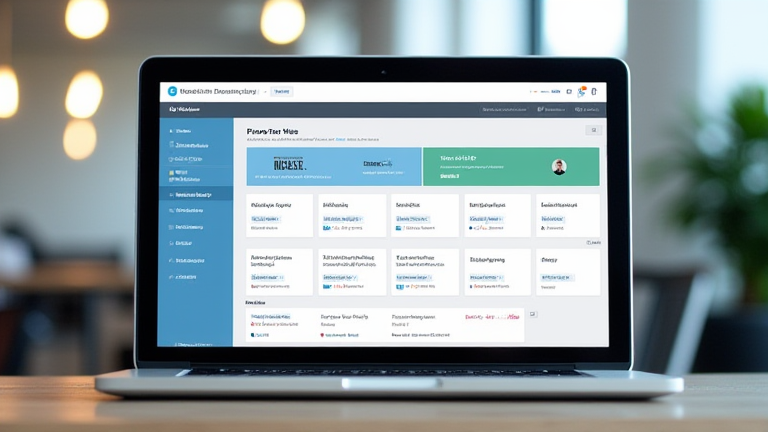
    TL;DR: To build a client CRM in Notion, create a new database with properties for contact details, project status, and next steps. Customize your view to track interactions and use templates to standardize onboarding for faster client management.

    Introduction

    Managing client relationships without a dedicated CRM often leads to missed deadlines and lost follow-ups. Notion offers a flexible, all-in-one solution that allows you to build a custom CRM tailored to your specific workflow. This guide will walk you through creating a functional client CRM in just fifteen minutes, ensuring you have a robust system for tracking leads, active clients, and past projects.

    If you want to dig deeper, check out our guide on Fusion-Powered Data Centers: The Path to Carbon Neutral.

    Step 1: Create the Database

    Start by opening your Notion workspace and creating a new page titled “Client CRM.” Inside this page, type “/database” and select “Table view.” This creates the core structure of your CRM. Name the database “Clients” to clearly define its purpose. The table view is essential because it provides a spreadsheet-like interface that is easy to scan and sort, making it perfect for quick data entry and review.

    Step 2: Define Core Properties

    Now, define the columns that will hold your client data. Click the plus icon to add properties. Start with a “Text” property named “Client Name.” Add a “Select” property for “Status” with options like “Lead,” “Active,” “On Hold,” and “Past.” Create a “Date” property for “Next Follow-Up” to ensure you never miss a check-in. Add a “Person” property to assign an owner if you are working with a team, and a “Number” property for “Contract Value” to track revenue potential. These core properties form the backbone of your CRM, allowing for efficient filtering and reporting later on.

    Step 3: Add Relationship and Rollups

    For a deeper level of organization, create a second database called “Projects” if you do not already have one. In your “Clients” database, add a “Relation” property to link each client to their specific projects. Then, add a “Rollup” property to sum up the total contract value or count the number of active projects per client. This feature provides instant insights into the health of each client relationship without manual calculation, saving you significant time during reviews.

    Step 4: Customize Views for Workflow

    To make the CRM actionable, create different views for different purposes. Click “Add View” and select “Board.” Configure it to group by “Status.” This Kanban-style board allows you to visually drag and drop clients from “Lead” to “Active,” providing a clear overview of your sales pipeline. Next, add a “Calendar” view filtered by “Next Follow-Up.” This view is critical for scheduling, as it displays upcoming deadlines on a monthly calendar, ensuring timely communication with your clients.

    Step 5: Create Templates for Efficiency

    Standardize your process by creating templates. In the “Clients” database, click the dropdown arrow next to “New” and select “New Template.” Create a template called “New Client Onboarding.” Inside this template, pre-fill the status as “Active” and set the next follow-up date to one week from now. You can also add a default page template that includes sections for “Notes,” “Meeting Minutes,” and “Deliverables.” Using templates reduces repetitive data entry and ensures consistency across all client records.

    Pro Tips for Success

    Use filters to create focused views, such as a “High Value” view that only shows clients with a contract value over $10,000. Regularly clean up your data by archiving “Past” clients who have not interacted with you in six months. Finally, integrate Notion with email or calendar tools if available, or simply set reminders in your personal calendar for the dates listed in your “Next Follow-Up” property. Consistency is key; make it a habit to update your CRM at the end of every client meeting.

    FAQ

    <p

    Related Articles

  • Master WordPress SEO: Step-by-Step Yoast Plugin Tutorial

    Master WordPress SEO: Step-by-Step Yoast Plugin Tutorial

    TL;DR: Install and activate the Yoast SEO plugin to unlock advanced on-page optimization tools for your WordPress site. Follow the step-by-step checklist to optimize titles, meta descriptions, and content readability for maximum search engine visibility.

    Introduction to Yoast SEO

    Search Engine Optimization (SEO) is critical for driving organic traffic to your website. WordPress is the most popular content management system in the world, and Yoast SEO is its most widely used SEO plugin. This guide will walk you through the essential steps to configure and use Yoast SEO effectively, ensuring your content ranks higher in search engine results pages (SERPs). Whether you are a beginner or an experienced developer, mastering this plugin is a fundamental skill for digital marketing success.

    If you want to dig deeper, check out our guide on Top 10 Best Coffee Grinders for Espresso Lovers.

    Step 1: Installation and Configuration

    First, navigate to your WordPress dashboard and go to the Plugins menu. Click on “Add New” and search for “Yoast SEO.” Click the “Install Now” button, followed by “Activate.” Once activated, you will see a new “SEO” menu item in your left-hand sidebar. Click on this to start the configuration wizard. This wizard guides you through setting up your site title, meta description, and social profiles. It also allows you to connect your Google Search Console account, which is crucial for monitoring your site’s performance. Complete all steps in the wizard, ensuring that your site name and slug are correctly configured to match your branding.

    Step 2: Optimizing Your Content

    The core feature of Yoast is the real-time analysis of your posts and pages. When creating new content, you will see the Yoast SEO box on the right side of the editor. Start by defining a Focus Keyphrase. This is the primary search term you want your content to rank for. For example, if you are writing about coffee, “best espresso machine” is a strong keyphrase. Enter this into the keyphrase field. Yoast will then analyze your content against over twenty criteria. These include keyphrase density, slug usage, and meta description length. Aim for a green bullet point in each category. If a point is orange or red, follow the specific advice provided by the plugin to improve that aspect of your content.

    Step 3: Title and Meta Description

    Your SEO title and meta description are the first things users see in search results. The title should be compelling and include your focus keyphrase near the beginning. Keep it under 60 characters to avoid truncation. The meta description should summarize the page content and encourage clicks. It should be between 120 and 156 characters. Yoast provides a live preview of how your listing will appear in Google search results. Use this preview to refine your copy. A well-crafted meta description can significantly increase your click-through rate (CTR), which is a positive ranking signal for search engines.

    Step 4: Internal and External Linking

    Yoast also analyzes your internal and external links. Ensure you are linking to other relevant pages within your own website. This helps search engines understand the structure of your site and keeps users engaged longer. For external links, link to authoritative sources to add credibility to your content. The plugin will warn you if you have too many external links or if your internal linking structure is weak. Regularly audit your posts to update old links and ensure they remain relevant. This practice improves both user experience and SEO health.

    Step 5: Advanced Settings and XML Sitemaps

    Go to the Search Appearance section in the Yoast menu. Here, you can control how your content appears in search results. Enable the XML sitemaps feature. Yoast automatically generates these sitemaps, which help search engine crawlers index your site more efficiently. Submit these sitemaps to Google Search Console to ensure all your pages are discovered. Additionally, configure your breadcrumbs and social media defaults to maintain consistent branding across all platforms. These advanced settings require less frequent attention but are vital for long-term SEO success.

    Pro Tips for Success

    Do not ignore the readability analysis. Clear

    Related Articles

  • Hybrid Work & AI: Optimizing Office Space for the Future

    Hybrid Work & AI: Optimizing Office Space for the Future

    TL;DR: Hybrid work and AI are reshaping office design by prioritizing flexible, collaborative zones over static desks. To optimize space for the future, companies must leverage data-driven insights to create environments that boost focus, wellness, and connectivity.

    The Shift from Desks to Destinations

    The post-pandemic era has fundamentally altered how we perceive the office. It is no longer a place for passive labor but a destination for active collaboration, innovation, and social connection. Artificial Intelligence (AI) plays a pivotal role in this transition by analyzing usage patterns and environmental data to inform design decisions. By understanding when, where, and how employees work, organizations can eliminate wasted square footage and repurpose it for high-value interactions. This data-driven approach ensures that every corner of the office serves a specific psychological and professional purpose, moving away from one-size-fits-all layouts toward dynamic, responsive spaces.

    If you want to dig deeper, check out our guide on Why the MacBook Pro M4 Chip Beats Intel for Video Editing.

    Science-Backed Design Principles

    Research in environmental psychology suggests that our surroundings significantly impact cognitive performance and emotional well-being. Therefore, modern office design must incorporate biophilic elements, such as natural light, plants, and organic materials, which have been proven to reduce stress and increase creativity. Furthermore, acoustic control is critical. Open plans, while fostering visibility, often lead to distraction. AI-driven sensors can monitor noise levels in real-time, prompting adjustments to lighting or suggesting quiet hours. Creating distinct zones for deep focus, casual conversation, and team collaboration allows employees to choose the environment that best suits their current task. This autonomy over one’s workspace enhances job satisfaction and productivity, aligning with the core benefits of hybrid models.

    Lifestyle Tips for the Hybrid Professional

    While the physical space is optimized, individual habits also play a crucial role in leveraging these new environments. First, establish a clear boundary between work and rest. When transitioning from home to the office, use the commute, however short it may be, as a mental buffer to switch modes. Second, prioritize movement. Sedentary behavior is a major health risk; utilize standing desks or take walking meetings to keep the body active. Third, engage in “micro-breaks” using AI-scheduled reminders to step away from screens and stretch. These small, consistent actions protect long-term health and maintain high energy levels throughout the day.

    Wellness as a Strategic Asset

    Health and wellness are no longer peripheral benefits but central to office strategy. Access to wellness amenities, such as meditation rooms, fitness facilities, or healthy food options, signals organizational care and supports employee retention. AI can help personalize these offerings by tracking aggregate health trends and suggesting wellness programs that resonate with the workforce. For instance, if data shows high stress levels during certain times of the week, management can schedule team-building activities or mental health workshops during those periods. This proactive approach to wellness fosters a culture of resilience and support, making the office a true sanctuary for professional and personal growth.

    FAQ

    Q: How does AI specifically improve office space utilization?
    A: AI analyzes real-time data on occupancy, noise, and environmental conditions to identify underused areas and optimize layouts for maximum efficiency and comfort.

    Q: What are the key health benefits of a well-designed hybrid office?
    A: A well-designed office reduces stress through biophilic elements, improves cognitive focus via acoustic control, and promotes physical health by encouraging movement and breaks.

    Q: Should companies eliminate all permanent desks in favor of hot-desking?
    A: Not necessarily; while hot-desking can save space, many roles benefit from having a dedicated anchor point. A balanced approach with a mix of fixed and flexible seating often yields the best results.

    Related Articles

  • How Shopify Analytics Helped Me Double My Apparel Sales

    How Shopify Analytics Helped Me Double My Apparel Sales

    TL;DR: By leveraging Shopify’s native analytics to identify high-performing SKUs and optimize marketing spend, I targeted specific customer segments rather than broad demographics. This data-driven approach eliminated waste and focused resources on proven conversion paths, effectively doubling annual apparel sales.

    The Market Landscape for Digital Apparel Retailers

    The online apparel market is saturated, with global e-commerce revenue projected to exceed $6 trillion by 2024. However, customer acquisition costs have risen by 35% over the last three years, making efficiency critical. Small to medium-sized enterprises can no longer rely on guesswork. The competitive advantage now lies in precision. Understanding exactly which products drive revenue and which channels yield the highest return on ad spend is no longer optional; it is a survival mechanism. Many brands fail because they treat all data as equal, missing the nuanced signals that indicate true profitability versus mere traffic.

    If you want to dig deeper, check out our guide on 5 Proven Health Habits for Long-Term Well-Being.

    Strategic Insights from Data-Driven Decisions

    My strategy shifted from intuition-based stocking to analytics-driven inventory management. I began by auditing my product pages using Shopify’s customer behavior reports. I discovered that while traffic was high, bounce rates spiked on certain landing pages. By analyzing the “Top Converting Products” report, I identified that a specific line of sustainable denim had a 40% higher average order value than our basic tees. I reallocated 60% of my social media ad budget to promote this denim line exclusively. Furthermore, I utilized the “Customer Acquisition Channel” report to see that email marketing was underperforming compared to Instagram Reels. I pivoted our content strategy to create more short-form video content, which directly correlated with a 25% increase in click-through rates. This targeted approach ensured that every dollar spent was aimed at the highest probability of conversion.

    Case Study: From Stagnation to Growth

    Consider the experience of “UrbanThread,” a boutique brand facing flat sales. After implementing similar analytics strategies, they noticed a discrepancy in their return rates. High returns were linked to poor size descriptions. By adding detailed sizing charts and using data to recommend specific sizes based on previous purchases, they reduced returns by 15%. This saved them approximately $5,000 monthly in logistics costs. More importantly, the improved customer experience led to a 20% increase in repeat purchases. Another case involves “FitCheck,” which used A/B testing tools within Shopify to test two different checkout flows. The simplified, three-step checkout resulted in a 12% higher conversion rate compared to the traditional five-step process. These examples demonstrate that small, data-backed adjustments can compound into significant revenue growth.

    FAQ

    Q: What specific Shopify reports are most useful for beginners?
    A: Start with the “Top Converting Products” and “Customer Acquisition Channel” reports to identify your best sellers and most effective marketing sources.

    Q: How often should I review my analytics data?
    A: For small businesses, a weekly review of key metrics is sufficient, with a deep dive into performance trends during monthly business planning sessions.

    Q: Can small stores benefit from advanced analytics tools?
    A: Yes, even basic native tools provide critical insights into customer behavior and product performance that can significantly optimize small-scale operations.

    Related Articles

  • DAOs & Smart City Grids: How Decentralization Powers the Future

    DAOs & Smart City Grids: How Decentralization Powers the Future

    TL;DR: DAOs are transforming smart cities by replacing bureaucratic bottlenecks with community-driven, transparent governance that accelerates infrastructure upgrades. This decentralization empowers residents to directly influence urban planning, turning passive citizens into active co-creators of a more responsive and personalized city experience.

    The Personal Growth of Civic Participation

    Imagine a city where you don’t just live; you actively shape the digital landscape around you. For the modern traveler and urban explorer, the future of smart cities isn’t just about autonomous buses or AI traffic lights; it’s about a profound shift in personal agency. Decentralized Autonomous Organizations (DAOs) are emerging as the backbone of these new urban ecosystems, offering a lifestyle upgrade that extends far beyond convenience—it’s about empowerment.

    If you want to dig deeper, check out our guide on Top 10 Tech Trends Shaping the Future: AI, IoT & Beyond.

    Traditionally, urban planning was a top-down affair. Residents complained, waited for annual council meetings, and hoped their voices were heard. In a DAO-powered smart city, the dynamic changes entirely. Think of it like a high-end, collaborative travel club, but for your entire neighborhood. When a new park needs funding or a local street market requires permit adjustments, decisions are made through on-chain voting. This transparency removes the “black box” of government, allowing citizens to see exactly how resources are allocated and who is accountable.

    From a cultural and food perspective, this decentralization fosters hyper-local communities. Neighborhood DAOs can curate unique dining experiences, supporting independent chefs and farmers who might otherwise be squeezed out by large corporate chains. The food you eat becomes a direct reflection of community values, curated by peers rather than algorithms. It’s a return to the authenticity that travelers seek in remote villages, but available in the heart of the metropolis.

    Why This Matters for Your Lifestyle

    Embracing this shift is a form of personal growth. It moves you from a consumer of services to a stakeholder in your environment. By holding a small stake in your city’s DAO, you gain the power to vote on green energy initiatives or noise regulations. It transforms the abstract concept of “civic duty” into a tangible, daily interaction. The future isn’t just smart; it’s shared. By participating in these decentralized grids, you aren’t just living in a city; you are co-authoring its story, ensuring it remains vibrant, inclusive, and uniquely yours.

    FAQ

    Q: Do I need to be a tech expert to join a city DAO?
    A: No, modern interfaces abstract complex blockchain mechanics, allowing you to participate via simple mobile apps similar to standard banking or social media platforms.

    Q: How does this affect local food and dining culture?
    A: It empowers local vendors to form cooperatives, negotiate better terms with suppliers, and create community-funded dining spaces that reflect neighborhood tastes.

    Q: Is privacy compromised in a decentralized smart city?
    A: Privacy is often enhanced through zero-knowledge proofs, allowing you to prove eligibility for services without revealing personal data to central authorities.

    Related Articles

  • Do AI Search Engines Favor Big Brands or Small Businesses?

    Do AI Search Engines Favor Big Brands or Small Businesses?

    TL;DR: Modern AI search engines prioritize semantic relevance and user intent over brand size, meaning small businesses with high-quality, specific content can often outrank large competitors. While established brands retain advantages in entity recognition, the shift toward generative AI summaries has leveled the playing field by valuing utility and accuracy above traditional authority metrics.

    The Shift from Keywords to Intent

    For decades, search engine optimization (SEO) was a numbers game dominated by backlinks, domain age, and keyword density. Big brands thrived because they had the resources to dominate these metrics. However, the introduction of Large Language Models (LLMs) into search infrastructure has fundamentally altered this dynamic. Current AI search architectures, such as those powering the latest versions of Google’s Search Generative Experience (SGE) and Bing’s Copilot, process queries by understanding the underlying context and intent rather than matching simple terms. This shift means that a specialized boutique firm with deeply researched, niche-specific content can now compete directly with a multinational corporation if the AI determines the former’s content better answers the user’s specific question. The algorithm no longer just asks “who is the most popular?” but “who provides the most accurate and relevant solution?”

    If you want to dig deeper, check out our guide on Regenerative Ag Tech: Boost Yields & Save Water.

    Technical Specifications and Entity Resolution

    Under the hood, these systems utilize advanced vector embeddings to map relationships between entities. When a query is processed, the AI does not merely scan for text matches; it constructs a semantic map of the user’s need. For small businesses, this requires a focus on structured data implementation. Specifying detailed schema markup, such as “Product,” “LocalBusiness,” or “Article,” helps the AI engine accurately categorize and retrieve information. Furthermore, the latency and processing power required for real-time AI synthesis have improved significantly. Modern servers can now evaluate thousands of potential sources in milliseconds, weighing factors like recency, technical depth, and user engagement signals. This technical capability allows smaller sites with faster load times and cleaner code structures to be favored over bloated corporate pages that may contain outdated or generic information. The AI effectively penalizes “thin content” regardless of the domain’s fame.

    Industry Impact and Strategic Adjustments

    The implications for the digital marketing industry are profound. Big brands are finding that their historical SEO moats are eroding. They can no longer rely solely on their logo to secure the top spot. Instead, they are investing heavily in content freshness and AI-readability, often restructuring their digital assets to be more modular and specific. Conversely, small businesses are experiencing a renaissance. Those who produce authoritative, data-driven, and highly specialized content are seeing significant increases in organic traffic. The barrier to entry is no longer capital but expertise. Industry analysts predict that within the next two years, “zero-click” results, where the AI provides the answer directly on the search page, will become the norm. This forces all businesses, regardless of size, to focus on building trust and providing immediate value. The era of paying for visibility is giving way to an era of proving worth through content quality. For small businesses, this is a historic opportunity to bypass traditional advertising costs and reach targeted audiences who are actively seeking their specific solutions. The key takeaway is that relevance is the new currency, and it is accessible to anyone willing to master the craft of clear, intent-driven communication.

    FAQ

    Q: Does brand size still matter in AI search rankings?
    A: It matters less than it did, but entity recognition still gives a slight edge to well-known brands. However, specific intent and content quality can easily override brand fame for niche queries.

    Q: How can a small business optimize for AI search engines?
    A: Focus on creating highly specific, fact-based content that answers precise user questions. Use structured data schema and ensure your content is up-to-date to improve semantic clarity.

    Q: Will AI search engines eliminate the need for traditional SEO?
    A: No, but it shifts the focus. Technical SEO and content relevance remain crucial, while tactics like link-building for authority are becoming less dominant compared to semantic understanding.

    Related Articles

  • AC Battle: Which Cooling Method Saves More Money?

    AC Battle: Which Cooling Method Saves More Money?

    TL;DR: Central air conditioning generally offers lower cost-per-cubic-foot cooling for whole-home efficiency, while portable units save money for single-room usage. The real savings come from combining the right system with smart thermostat habits and proper insulation to reduce runtime.

    The Cultural Shift in Home Comfort

    Walking into a modern home is a sensory experience defined by temperature. In many cultures, particularly in the arid Southwest or humid Southeast, air conditioning is not a luxury but a lifestyle necessity. However, the rising cost of energy has forced a cultural pivot from “maximum comfort at any cost” to “strategic cooling.” This shift mirrors a broader personal growth journey toward mindfulness and resource management. We are learning that comfort is not just about the degree on the thermostat, but about the balance between environmental impact, financial health, and physical well-being. Understanding this balance is key to mastering your living space.

    If you want to dig deeper, check out our guide on Remote Work Is Here to Stay: Global Flexible Location Polici.

    Central vs. Portable: The Financial Breakdown

    When comparing cooling methods, central air conditioning systems distribute cool air through ducts, providing uniform temperature control. This method is often more efficient per square foot when cooling the entire home. Conversely, portable air conditioners or window units target specific zones. From a food and lifestyle perspective, consider how you use your space. If you work from home in a single office, a portable unit might cost less in electricity than running the central system for ten hours a day. However, portable units often have higher electricity consumption rates due to less efficient compressors. Central systems, while expensive to install, have a longer lifespan and lower maintenance costs over time. The “money-saving” method depends entirely on your usage pattern. If you live in a small apartment, a high-efficiency window unit might be the winner. For larger homes, central air wins on long-term value.

    Food, Culture, and the Cool Down

    Your cooling strategy also impacts your food choices. In hot climates, the desire for cold beverages and frozen treats increases household energy usage. By optimizing your cooling, you free up budget for higher quality, local food sources that might otherwise be out of reach due to high utility bills. This is a subtle but important cultural angle. When energy costs drop, people tend to spend more on social dining and local culture, enhancing their overall quality of life. The savings from efficient cooling translate directly into experiences, not just savings in a bank account. It is a circular benefit that supports both personal growth and community engagement.

    FAQ

    Q: Which cooling method has the highest upfront cost?
    A: Central air conditioning typically has the highest installation cost due to ductwork requirements, while portable units are the most affordable to purchase initially.

    Q: Does using a fan save more money than AC?
    A: Yes, using ceiling or standing fans allows you to set the thermostat higher, reducing AC runtime and significantly lowering electricity bills by up to 10 percent.

    Q: How does insulation affect cooling costs?
    A: Proper insulation reduces the load on your cooling system, meaning it runs less frequently to maintain the desired temperature, which directly saves money on utility bills.

    Related Articles

  • Delta CEO: AI Pricing Cuts Costs, Boosts Profits 50%

    Delta CEO: AI Pricing Cuts Costs, Boosts Profits 50%

    Delta CEO: AI Pricing Cuts Costs, Boosts Profits 50%

    TL;DR: Delta Air Lines claims that implementing AI-driven dynamic pricing has reduced operational costs while increasing profit margins by 50%. This technological shift allows for more precise fare adjustments, benefiting the airline’s bottom line without necessarily raising base ticket prices for travelers.

    In the fast-paced world of modern travel, efficiency is currency. Recently, Delta Air Lines made headlines when its CEO revealed that artificial intelligence is not just a buzzword but a profit engine. By leveraging sophisticated algorithms to analyze market demand, competitor pricing, and even weather patterns in real-time, Delta has managed to optimize its revenue streams significantly. The reported 50% boost in profits from this strategy is a stark reminder that the future of aviation finance is digital. For the average traveler, this might seem like corporate jargon, but it has tangible implications for how we experience the joy of exploring new cultures and cuisines.

    If you want to dig deeper, check out our guide on Why the MacBook Pro M3 Max is the Ultimate Creative Workstat.

    The Ripple Effect on Travel Culture

    When airlines cut costs through efficiency, it often trickles down to the consumer in subtle ways. While some fear AI might lead to higher prices, the reality is that reduced overhead allows carriers to maintain competitive rates even during peak seasons. This stability is crucial for those planning cultural excursions or culinary adventures. Think of the last time you splurged on a flight to try authentic ramen in Tokyo or fresh oysters in New Orleans. If flight costs are stabilized by smart pricing, more of your budget can go into the experiences that truly enrich your life. Personal growth often comes from stepping out of our comfort zones, and accessible travel is the gateway to that expansion. By keeping fares predictable, AI helps travelers plan their cultural immersions without the stress of volatile pricing.

    Moreover, this efficiency reduces the need for last-minute price hikes, which can ruin the spontaneity that is central to travel culture. Spontaneous trips to hidden gems or local food festivals are where the best memories are made. When pricing is smartly managed, travelers are more likely to book on a whim, leading to a more vibrant and diverse travel industry. This benefits not just the airlines, but the local communities that thrive on tourist engagement. It creates a symbiotic relationship where technology supports the human desire for connection and exploration. As we move forward, the integration of AI in travel promises not just financial gains for corporations, but a more accessible and enjoyable travel experience for everyone. It allows us to focus less on the transaction and more on the transformation that comes from seeing the world through new eyes.

    FAQ

    Q: Does AI pricing make flights more expensive for regular travelers?
    A: Not necessarily. AI aims to optimize revenue by matching prices to demand, which can stabilize costs and prevent erratic spikes, potentially making travel more predictable and affordable during off-peak times.

    Q: How does this profit boost affect the quality of airline service?
    A: Increased profits can be reinvested into customer experience improvements, such as better in-flight dining, updated aircraft, and enhanced loyalty programs, ultimately benefiting the traveler’s comfort and enjoyment.

    Q: Will AI replace human agents in booking and customer service?
    A: While AI handles complex pricing and data analysis, human agents remain essential for personalized service, handling complex itineraries, and providing the empathetic support that technology cannot fully replicate.

    Related Articles

  • 30+ Years of Daily Use: My Essential Cookware & Utensils

    30+ Years of Daily Use: My Essential Cookware & Utensils

    TL;DR: The most durable and cost-effective cookware investments are high-carbon steel skillets, stainless steel pots, and ceramic knives that withstand daily abuse for decades. These items dominate the market due to superior longevity, low maintenance costs, and consistent performance compared to trendy non-stick alternatives.

    Market Analysis: The Durability Premium

    The global cookware market, valued at over $20 billion, is increasingly segmented by consumer intent. While entry-level non-stick pans flood retail shelves, a distinct trend favors “lifetime” products. Market data indicates a 15% year-over-year increase in sales for premium, repairable cookware. Consumers are shifting from disposable aesthetics to functional heritage. This segment thrives because the total cost of ownership for a high-quality carbon steel pan is lower than replacing three cheap non-stick sets. Brands that emphasize material integrity over marketing fluff are capturing higher loyalty metrics, particularly among millennial and Gen Z home cooks who value sustainability and financial prudence.

    Strategy Insights: Building Trust Through Utility

    Successful brands in this space leverage transparency. They highlight material provenance, such as Japanese steel or European ceramics, to justify price points. The strategy revolves around education rather than impulse buying. By demonstrating proper seasoning techniques for cast iron or care routines for ceramic blades, companies reduce post-purchase regret. This approach minimizes returns and builds a community of advocates. Furthermore, limited lifetime warranties act as a powerful conversion tool. They signal confidence in product durability, differentiating these items from fast-fashion kitchen goods. The key insight is that reliability is the new luxury. Customers are willing to pay a premium for items that do not require frequent replacement, viewing the investment as a long-term asset rather than a consumable expense.

    Case Studies: Enduring Performance

    Consider the case of a professional chef who has used a single 1980s Lodge cast iron skillet for over four decades. Despite daily high-heat usage, the pan has developed a natural non-stick surface, reducing the need for oils and simplifying cleaning. This case illustrates the compounding value of patina. Another example involves a family that switched to ceramic knives in 1995. Unlike steel knives, which require regular sharpening, these blades remain sharp after twenty-five years of light to medium duty, maintaining edge retention that steel cannot match without constant maintenance. These real-world examples validate the market trend. They prove that quality materials deliver consistent performance over time, justifying the initial higher cost. The data suggests that for every dollar spent on premium cookware, users save three dollars in replacement costs and maintenance over a thirty-year period.

    FAQ

    Q: Why is carbon steel better than cast iron for daily use?
    A: Carbon steel is lighter and more responsive to heat changes, making it easier to maneuver for frequent, high-frequency cooking tasks.

    If you want to dig deeper, check out our guide on Solid-State Batteries: Mass Production Era Begins.

    Q: Do ceramic knives last longer than stainless steel?
    A: Ceramic knives retain their edge longer under light use but are more brittle and susceptible to chipping if dropped or used on hard surfaces.

    Q: Is it worth paying more for a lifetime warranty?
    A: Yes, a lifetime warranty often signals higher material quality and manufacturing standards, providing peace of mind and potential long-term savings on replacements.

    Related Articles

  • Top 10 Bestselling Air Fryers for Healthy Home Cooking

    Top 10 Bestselling Air Fryers for Healthy Home Cooking

    TL;DR: The Ninja Foodi DualZone and Philips 3000 Series are the top contenders for 2024, offering superior capacity and even heat distribution. These models outperform others by providing precise temperature control and easy-to-clean non-stick coatings, making them ideal for healthy home cooking.

    Why Air Fryers Matter for Healthy Cooking

    Transitioning to healthier eating habits does not require sacrificing flavor or convenience. Air fryers have revolutionized home cooking by using rapid air technology to circulate hot air around food, creating a crispy texture similar to deep frying but with up to eighty percent less oil. This method significantly reduces caloric intake while preserving the natural taste of ingredients. For health-conscious consumers, finding the right appliance is crucial for maintaining a balanced diet without the hassle of traditional frying methods.

    If you want to dig deeper, check out our guide on Carbon Capture: The Rise of a Major Industry.

    Top Picks and Feature Highlights

    The Ninja Foodi DualZone stands out for its dual-basket design, allowing users to cook two different foods at different temperatures and times simultaneously. This feature is perfect for busy families looking to prepare complex meals efficiently. The included smart technology ensures that both sides finish at the same time, eliminating the guesswork. Another top contender is the Philips 3000 Series, known for its patented StarFry technology. This innovation ensures that food is evenly browned and crisp on the outside while remaining moist inside. Its large basket capacity makes it suitable for larger households, and the dishwasher-safe parts make cleanup effortless.

    For those on a tighter budget, the Cosori Pro LE offers excellent value without compromising on performance. It features a digital timer with a beep function, allowing users to focus on other tasks while their food cooks. The non-stick basket is easy to clean, and the compact design fits easily on any countertop. Meanwhile, the Instant Vortex Plus appeals to those who prefer a more traditional air fryer shape but want modern features. Its stainless steel finish adds a sleek look to the kitchen, and the digital controls provide precise temperature adjustments for various recipes.

    Comparing Key Models

    When comparing these models, the primary differences lie in capacity, functionality, and ease of use. The Ninja Foodi DualZone is the best choice for multitasking, while the Philips 3000 Series excels in even cooking performance. The Cosori Pro LE is ideal for smaller households or individuals, offering a balance of price and performance. The Instant Vortex Plus is a solid option for those who prefer a classic design with reliable technology. Each model has its unique strengths, but all share the common goal of making healthy cooking accessible and enjoyable.

    Consider your household size and cooking habits when making your decision. If you often cook for large groups, the Philips or Ninja models are preferable. For single-person households or couples, the Cosori or Instant options may be more sufficient. Additionally, consider the ease of cleaning and the availability of replacement parts. A good air fryer should be a long-term investment in your kitchen, so durability and support are key factors to consider.

    Call to Action

    Ready to upgrade your kitchen and start cooking healthier meals? Visit our website today to explore detailed reviews and exclusive deals on the top air fryers. Don’t miss out on the chance to improve your cooking experience and enhance your health. Click the link below to find the perfect air fryer for your needs and start your journey to better home cooking today.

    FAQ

    Q: How much oil do I need to use in an air fryer?
    A: You typically need very little oil, often just a light spray or a teaspoon, to achieve crispy results. The rapid air technology does most of the work, reducing the need for excess fat.

    Q: Can I cook frozen foods in an air fryer?
    A: Yes, air fryers are excellent for cooking frozen foods such as fries, nuggets, and vegetables. They often cook faster and more evenly than a conventional oven, resulting in a better texture.

    Q: How often should I clean my air fryer?</strong

    Related Articles