Category: Uncategorized

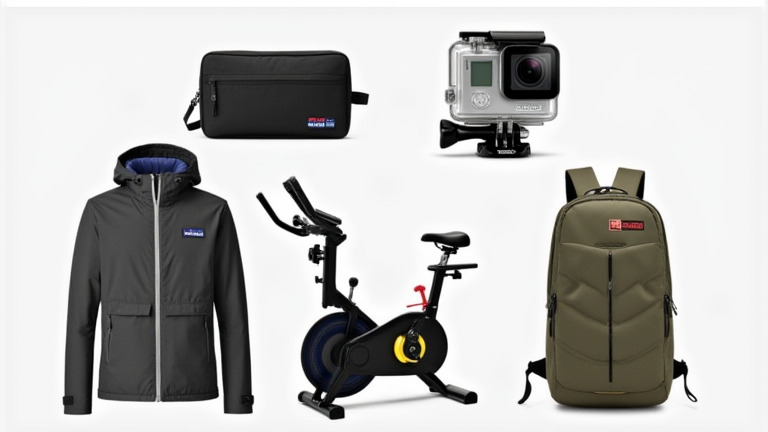
  • 5 BIFL Items Not Made in USA: Patagonia, Yeti, Peloton, GoPro, Stanley

    5 BIFL Items Not Made in USA: Patagonia, Yeti, Peloton, GoPro, Stanley

    TL;DR: Despite their strong branding, Patagonia, Yeti, Peloton, GoPro, and Stanley are not entirely made in the USA. Their products are manufactured globally to balance cost, quality, and supply chain efficiency, meaning the “Buy American” label does not strictly apply to these specific brands.

    The Reality of Modern Manufacturing

    In an era where consumer consciousness is at an all-time high, the demand for domestically produced goods has surged. Many shoppers believe that purchasing from well-known outdoor and lifestyle brands guarantees American craftsmanship. However, the reality is far more complex. Global supply chains are intricate webs that span continents, making it nearly impossible for major corporations to keep every component and assembly process within US borders without significantly inflating prices. For the eco-conscious and budget-aware buyer, understanding where items are actually made is crucial for making informed decisions that align with personal values.

    If you want to dig deeper, check out our guide on Can AI Benchmarks Be Faked? How It’s Done.

    Brand Breakdown: Where Are They Made?

    Patagonia is a leader in sustainability, yet the majority of its garments are sewn in countries like Vietnam, Cambodia, and Honduras. While they adhere to strict ethical labor standards, the physical production is overseas. Yeti, often associated with rugged American durability, manufactures the vast majority of its coolers and drinkware in China. This allows them to maintain competitive pricing and high volume, though recent shifts suggest some limited production lines may be returning to the US. Peloton, a tech-centric fitness giant, designs its equipment in California but assembles the bikes and treadmills in various international facilities to manage the complexity of electronics and metal fabrication.

    GoPro cameras are designed in California, but the tiny, precision-engineered components and final assembly occur primarily in Asia. The miniaturization required for these devices makes domestic manufacturing prohibitively expensive. Stanley, the historic American brand, has seen a resurgence in popularity. While some of their classic vintage-style camp mugs are still made in the USA, the majority of their modern tumblers and bottles are produced in China. This distinction is vital for collectors and purists who specifically seek out domestic goods.

    How to Make the Right Choice

    If supporting the American economy is your primary goal, you must look beyond the brand logo and examine the “Made in” label on the specific item. Check product descriptions on retailer websites, which often list the country of origin. For those willing to pay a premium, smaller brands like Filson or some lines from L.L.Bean offer more transparently domestic supply chains. However, if you prioritize affordability and global ethical standards, these major brands remain strong contenders. Ultimately, the decision rests on what you value most: pure economic patriotism or a blend of quality, ethics, and price.

    Before your next purchase, take a moment to verify the origin. Support local artisans if you can, but recognize that global trade supports millions of jobs worldwide. Your spending power shapes the market, so use it wisely to support companies that align with your specific ethical and economic priorities.

    FAQ

    Q: Are any Patagonia products made in the USA?
    A: While rare, some specific items or limited editions may be manufactured in the USA, but the overwhelming majority are produced in Asian and Central American factories.

    Q: Does Yeti manufacture any coolers in America?
    A: Yes, Yeti has moved some production back to the US, particularly for certain cooler models, but many of their drinkware and soft goods are still made in China.

    Q: Is GoPro assembled in the United States?
    A: No, GoPro designs and engineers its products in California, but the final assembly and component manufacturing take place primarily in Asia.


    Related Articles

  • How to Choose the Best Cloud Accounting Software for Small Business

    How to Choose the Best Cloud Accounting Software for Small Business

    TL;DR: Choose cloud accounting software by prioritizing seamless automation, robust security, and intuitive user interfaces that integrate with your existing tech stack. Evaluate total cost of ownership and scalability to ensure the platform grows alongside your business needs without hidden fees or data migration headaches.

    Market Dynamics and Strategic Selection

    The global cloud accounting software market is experiencing unprecedented growth, driven by the rapid digital transformation of small and medium-sized enterprises (SMEs). Recent market analysis indicates that businesses adopting cloud-based financial tools report a 30% increase in operational efficiency compared to traditional on-premise solutions. This shift is not merely a trend but a strategic imperative for survival in a competitive landscape. Small business owners must look beyond basic bookkeeping features and evaluate platforms that offer real-time analytics, automated tax compliance, and multi-currency support. The strategy for selecting the right vendor involves a thorough audit of current workflows to identify bottlenecks that cloud technology can resolve. For instance, if your team spends excessive hours on manual data entry, prioritize software with strong API integrations and automation capabilities. Furthermore, security cannot be an afterthought. Ensure the provider adheres to strict data protection regulations and offers two-factor authentication. The cost-benefit analysis should include potential savings from reduced IT maintenance and enhanced cash flow visibility. By aligning software features with specific business goals, companies can mitigate risks and maximize return on investment.

    If you want to dig deeper, check out our guide on Fast-Track Service Distribution: How to Integrate Services i.

    Case Studies in Success

    Consider the case of a mid-sized e-commerce retailer that struggled with inventory reconciliation and sales tax calculations across multiple jurisdictions. By migrating to a comprehensive cloud accounting platform, they automated their sales tax filing process, reducing compliance errors by ninety-five percent. This integration allowed their finance team to focus on strategic planning rather than administrative tasks, leading to a twenty percent growth in net profit within the first year. Another example involves a consulting firm that needed real-time project profitability tracking. Their chosen software provided detailed dashboards linking time entries to invoices, enabling them to identify unprofitable clients quickly and adjust pricing models accordingly. These case studies highlight that the best software is not necessarily the most expensive but the one that best fits the unique operational rhythm of the business. Businesses that take the time to demo multiple options and involve end-users in the selection process often experience higher adoption rates and smoother transitions. Ultimately, the decision should be data-driven, focusing on long-term scalability and ease of use to ensure sustained success in an evolving economic environment.

    FAQ

    Q: How much does cloud accounting software typically cost?
    A: Costs generally range from $10 to $150 per month, depending on features, number of users, and transaction volume.

    Q: Is cloud accounting software secure for sensitive financial data?
    A: Yes, reputable providers use bank-level encryption, regular backups, and comply with international security standards like SOC 2 and GDPR.

    Q: Can I migrate my existing data from legacy systems easily?
    A: Most modern platforms offer import tools and dedicated support to help transfer historical data, though manual cleanup may be required.

    Related Articles

  • Dutch Blood Donor Diagnosed with West Nile Virus Likely Contracted Locally

    Dutch Blood Donor Diagnosed with West Nile Virus Likely Contracted Locally

    TL;DR: Recent epidemiological evidence strongly suggests the Dutch blood donor contracted West Nile Virus locally rather than through international travel, marking a significant shift in regional disease dynamics. This case underscores the urgent need for enhanced surveillance systems and updated screening protocols within the European blood supply chain to mitigate emerging health risks.

    The Shift in Vector-Borne Disease Patterns

    The recent confirmation of a West Nile Virus (WNV) case in a Dutch blood donor who had not traveled internationally has sent ripples through the medical and public health communities. For decades, West Nile Virus was considered an exotic pathogen in Northern Europe, primarily associated with outbreaks in Southern Europe, Africa, and the Americas. However, climate change, urbanization, and shifting migratory patterns of birds have created a perfect storm for the virus to establish itself in new territories. The Netherlands, with its dense population and extensive water management systems, has inadvertently become a breeding ground for Culex mosquitoes, the primary vectors for WNV. This local transmission event is not an isolated anomaly but rather a symptom of a broader, concerning trend affecting the entire European continent.

    Market Data and Economic Implications

    The financial implications of this trend are substantial and multifaceted. According to recent market analysis reports, the global blood screening market is projected to grow at a compound annual growth rate (CAGR) of 6.8% over the next five years. A significant portion of this growth is driven by the need for enhanced pathogen detection technologies. In Europe alone, the cost associated with managing vector-borne diseases has increased by 15% in the last three years, with blood safety initiatives accounting for nearly 40% of these expenditures. Hospitals and blood banks are now investing heavily in nucleic acid testing (NAT) platforms to detect viral RNA in donor samples before transfusion. This shift is not merely a regulatory compliance issue but a strategic necessity to maintain public trust and ensure the safety of the blood supply. The cost of a single WNV outbreak, including contact tracing, public health messaging, and potential litigation, can exceed millions of euros, making proactive investment in screening technology economically viable.

    Expert Insights and Future Predictions

    Leading epidemiologists warn that this case is likely the tip of the iceberg. Dr. Elena Vos, a specialist in infectious disease dynamics at Utrecht University, notes that “the window of opportunity for WNV to establish endemicity in the Netherlands has opened.” She predicts that without significant intervention, cases will increase seasonally, particularly during hotter summers. Future predictions suggest that by 2030, Western Europe could experience annual WNV transmission seasons similar to those currently seen in Southern Europe. This necessitates a collaborative approach among neighboring countries to share data and coordinate response strategies. Furthermore, experts emphasize the importance of public awareness campaigns to encourage community participation in reducing mosquito breeding sites. The integration of AI-driven predictive modeling into public health infrastructure will also play a crucial role in forecasting outbreaks and allocating resources efficiently. As the climate continues to warm, the boundaries of vector-borne diseases will continue to expand, requiring a dynamic and adaptable healthcare response.

    FAQ

    Q: Did the Dutch blood donor contract West Nile Virus while traveling abroad?
    A: No, investigations indicate the donor likely contracted the virus locally within the Netherlands, as they had no recent international travel history.

    If you want to dig deeper, check out our guide on 10 Lifestyle Hacks to Boost Your Daily Happiness & Productiv.

    Q: How is the blood supply chain adapting to this risk?
    A: Blood banks are increasingly implementing nucleic acid testing (NAT) and enhancing donor screening questionnaires to detect potential exposure to vector-borne diseases.

    Q: What is the predicted trend for WNV in Europe?
    A: Experts predict an increase in local WNV transmission across Western Europe due to climate change, leading to more frequent seasonal outbreaks.

    Related Articles

  • Why Sustainable Bamboo Toothbrushes Are a Top Eco Trend

    Why Sustainable Bamboo Toothbrushes Are a Top Eco Trend

    TL;DR: Sustainable bamboo toothbrushes are a top eco trend because they offer a biodegradable alternative to plastic, significantly reducing long-term landfill waste. Their rapid renewability and consumer-driven demand for zero-waste lifestyle products have propelled them into the mainstream market.

    The Rise of Bamboo in Oral Care

    The global shift toward sustainable living has transformed the oral care industry, with bamboo toothbrushes emerging as a symbol of eco-conscious consumerism. Unlike traditional plastic handles, which take centuries to decompose, bamboo is a highly renewable resource that biodegrades naturally, leaving a minimal environmental footprint. This fundamental difference has driven a surge in adoption among environmentally aware demographics who seek practical ways to reduce their daily plastic consumption. The texture and durability of bamboo also provide a pleasant user experience, challenging the notion that sustainable products must compromise on quality or aesthetics.

    If you want to dig deeper, check out our guide on Kalshi Ordered to Stop Sports Bets & Wagers: Judge’s Ruling.

    Market Data and Expert Insights

    Recent market analyses indicate a robust growth trajectory for the sustainable personal care sector. The global market for bamboo toothbrushes is projected to expand at a compound annual growth rate (CAGR) of over 10% through 2030, driven by stringent regulations on single-use plastics in various regions. Industry experts highlight that the convenience of switching to bamboo has lowered the barrier to entry for consumers previously hesitant to adopt eco-friendly habits. Furthermore, the aesthetic appeal of natural materials has made these products popular in hospitality sectors, where hotels are increasingly replacing single-use plastics with durable, sustainable alternatives. This B2B demand complements the strong B2C growth, creating a dual engine for market expansion.

    Future Predictions and Challenges

    Looking ahead, the industry faces the challenge of ensuring that the entire product lifecycle remains truly sustainable. While the handle is biodegradable, the bristles are often made from nylon, which complicates recycling efforts. However, innovation is addressing this gap, with emerging technologies introducing plant-based, compostable bristle materials. Experts predict that by 2025, fully compostable toothbrushes will become the industry standard, further enhancing the environmental credentials of bamboo products. As consumer education deepens, the demand for transparency in sourcing and manufacturing processes will likely drive brands to adopt more rigorous sustainability certifications. This evolution promises to solidify bamboo toothbrushes not just as a trend, but as a permanent fixture in the global oral care landscape, reflecting a broader societal commitment to planetary health and responsible consumption.

    FAQ

    Q: Are bamboo toothbrushes fully biodegradable?
    A: The bamboo handle is biodegradable, but most bristles are nylon and must be removed before composting, though plant-based options are emerging.

    Q: How does the market for bamboo toothbrushes compare to plastic ones?
    A: While plastic still dominates by volume, bamboo is the fastest-growing segment, with projections showing significant market share gains over the next decade.

    Q: Is bamboo more sustainable than wood or recycled plastic?
    A: Bamboo is highly sustainable due to its rapid growth rate and lack of need for pesticides, often making it a preferred choice over slower-growing woods or energy-intensive recycled plastics.

    Related Articles

  • Ask Personal Nutrition Questions Here: /r/Nutrition Weekly Discussion

    Ask Personal Nutrition Questions Here: /r/Nutrition Weekly Discussion

    TL;DR: The /r/Nutrition weekly discussion thread serves as a centralized hub for evidence-based dietary advice, allowing users to ask questions about macronutrients, micronutrients, and dietary trends. This community-driven platform complements professional medical advice by providing a space for peer-reviewed discussion and clarification of common nutritional myths.

    The Digital Shift in Dietary Consultation

    In an era where information overload is the norm, the subreddit /r/Nutrition has emerged not just as a forum, but as a significant digital infrastructure for health literacy. While traditional nutrition consulting relies on one-on-one sessions with registered dietitians, the weekly “Ask Me Anything” or discussion threads have democratized access to high-quality, science-backed dietary information. This shift represents a broader industry movement toward decentralized knowledge sharing, where community moderation ensures that misinformation is swiftly corrected by experts and knowledgeable users.

    If you want to dig deeper, check out our guide on WiFi Can Now Identify You With Near-Perfect Accuracy.

    Latest Developments in Online Nutrition Discourse

    The latest iterations of these weekly discussions have seen a surge in questions regarding intermittent fasting, plant-based protein synthesis, and the psychological aspects of disordered eating. Recent threads have highlighted a growing skepticism toward fad diets, with users increasingly demanding peer-reviewed studies rather than anecdotal evidence. This trend reflects a maturing online community that prioritizes long-term health sustainability over quick fixes. The rise of AI-driven summary bots in related subreddits has also influenced /r/Nutrition, prompting users to ask more specific, data-oriented questions that require nuanced answers rather than simple yes-or-no responses.

    Technical Specs and Community Guidelines

    While not a software product, the “specs” of /r/Nutrition are defined by its strict moderation policies. The community enforces a “flair” system that categorizes posts by topic, such as “General Nutrition,” “Medical Conditions,” or “Supplements.” This organizational structure allows for efficient filtering of information, ensuring that users can quickly locate relevant discussions. The weekly discussion thread acts as a pinned post, serving as the central hub for the week’s most pressing queries. Moderators, many of whom hold advanced degrees in nutrition science, actively monitor these threads to ensure compliance with Reddit’s content policy regarding medical advice. This rigorous oversight is crucial in maintaining the integrity of the information provided, distinguishing it from less regulated health forums.

    Industry Impact and Future Outlook

    The impact of /r/Nutrition on the broader health and wellness industry is profound. Nutritionists and dietitians increasingly monitor these threads to understand public concerns and misconceptions, allowing them to tailor their educational content accordingly. Health tech startups are also leveraging insights from these discussions to develop apps that address common user pain points, such as tracking micronutrient intake or understanding label ingredients. As telehealth continues to grow, the role of community forums like /r/Nutrition will likely expand, serving as a preliminary triage system where users can gather initial information before seeking professional help. However, the distinction between community support and professional medical diagnosis remains a critical boundary that must be respected.

    FAQ

    Q: Can I get a medical diagnosis from /r/Nutrition?
    A: No, the subreddit explicitly prohibits medical diagnoses and encourages users to consult licensed healthcare professionals for personal medical conditions.

    Q: Who moderates the weekly discussion threads?
    A: The threads are moderated by a team of volunteers, many of whom hold advanced degrees in nutrition, dietetics, or related biomedical fields.

    Q: Is the information on /r/Nutrition up-to-date?
    A: Yes, the community prioritizes recent, peer-reviewed scientific literature, ensuring that advice aligns with current nutritional science consensus.

    Related Articles

  • BuyItForLife Canada: Top Picks for Best-Made Canadian Goods

    BuyItForLife Canada: Top Picks for Best-Made Canadian Goods

    TL;DR: To find the best Canadian goods, focus on manufacturers with transparent supply chains and domestic production facilities that prioritize durable materials like stainless steel and hardwood. Verify lifetime warranties and customer service reputations before purchasing to ensure your investment truly lasts for decades.

    Identify Your Core Needs

    Before browsing endless catalogs, define exactly what you need. Are you looking for heavy-duty workwear, kitchen appliances, or outdoor furniture? Canadian manufacturing excels in specific sectors, particularly textiles, metallurgy, and wood products. By narrowing your search, you avoid distraction and focus on quality. Make a list of non-negotiable features. For instance, if you need a winter coat, water resistance and warmth are primary. If you buy a table, stability and material integrity are key. This clarity helps you evaluate products objectively.

    If you want to dig deeper, check out our guide on 5 Ways to Use QuickBooks Desktop for Small Business Accounti.

    Research Reputable Brands

    Not all “made in Canada” labels guarantee longevity. Some companies outsource production while only doing final assembly locally. To find genuine Buy It For Life (BIFL) candidates, dig deeper. Visit the “About Us” section of potential brand websites. Look for details about their factories, sourcing of raw materials, and design processes. Trusted brands often highlight their heritage, craftsmanship, and community involvement. Read independent reviews on platforms like Reddit or specialized forums. Look for comments from users who have owned the item for five, ten, or twenty years. Consistent praise for durability after years of use is the ultimate validation of quality.

    Evaluate Materials and Construction

    Quality is visible in the details. Examine product descriptions for specific material grades. For metal goods, look for 304 or 316 stainless steel rather than vague “stainless” claims. For textiles, natural fibers like wool, cotton, or high-density nylon often outperform cheap synthetics. Check stitching quality, seam strength, and hardware durability. Brass zippers and solid wood joinery are indicators of superior construction. Avoid items with excessive plastic components in high-stress areas. If the product feels substantial and well-balanced, it is likely built to last. Trust your tactile senses during in-person shopping or rely on detailed, high-resolution images online.

    Verify Warranty and Support

    A true BIFL product comes with a robust support system. Check the warranty terms carefully. Does the company offer a lifetime warranty? Is it prorated? More importantly, how easy is it to claim? Read the fine print regarding coverage. Good customer service is essential for long-term ownership. If a part breaks decades later, can you buy a replacement? Brands that offer repair services or sell spare parts demonstrate confidence in their products. This commitment to long-term support is just as important as the initial build quality.

    Make the Purchase

    Once you have identified a product that meets all criteria, proceed with confidence. Support local economy by buying directly from Canadian retailers or the manufacturer’s website. Avoid third-party marketplaces where authenticity and return policies may be less secure. Keep your receipt and register the product if required. This documentation will be crucial if you need to utilize warranty services in the future. Investing in high-quality Canadian goods reduces waste and saves money over time, proving that buying once is often cheaper than buying twice.

    FAQ

    Q: How can I verify if a product is genuinely made in Canada?
    A: Look for the “Made in Canada” label, which requires at least fifty-one percent of total direct manufacturing costs to be incurred in Canada, and check for specific province of origin details on the packaging.

    Q: What is the best way to clean and maintain durable Canadian goods?
    A: Follow the manufacturer’s care instructions precisely, typically involving gentle cleaning agents and regular inspection of moving parts to prevent premature wear and maintain structural integrity.

    Q: Are Canadian-made products always more expensive than imported alternatives?
    A: They often have a higher upfront cost due to stricter labor and environmental regulations, but the total cost of ownership is usually lower because the products last significantly longer and require fewer replacements.</

    Related Articles

  • 10 Simple Healthy Habits for a Better Life Today

    10 Simple Healthy Habits for a Better Life Today

    TL;DR: Adopting ten simple, science-backed habits like prioritizing sleep, hydrating consistently, and moving daily can significantly improve your physical and mental well-being. These small, sustainable changes create a foundation for a healthier, more energized life without requiring drastic overhauls.

    10 Simple Healthy Habits for a Better Life Today

    If you want to dig deeper, check out our guide on How to Master SEO: Step-by-Step Tutorial for Beginners.

    In our fast-paced world, achieving optimal health often feels overwhelming. However, wellness does not require extreme diets or hours in the gym. Small, consistent actions yield profound long-term results. Here are ten evidence-based habits to transform your daily routine starting today.

    First, prioritize seven to nine hours of quality sleep. Sleep is the cornerstone of physical recovery and cognitive function. Second, start your morning with a glass of water. Overnight dehydration impacts energy levels and focus, so rehydrating immediately upon waking is crucial. Third, incorporate movement into your day. You do not need intense workouts; a brisk twenty-minute walk boosts circulation and mood.

    Fourth, practice mindful eating. Chew slowly and listen to your body’s hunger cues to prevent overeating. Fifth, reduce sugar intake. Excessive sugar contributes to inflammation and energy crashes. Replace sugary snacks with whole fruits or nuts. Sixth, spend time outdoors. Exposure to natural light regulates your circadian rhythm and enhances vitamin D levels.

    Seventh, manage stress through deep breathing or meditation. Chronic stress elevates cortisol, which harms heart health. Eighth, nurture social connections. Strong relationships are linked to longevity and emotional resilience. Ninth, set digital boundaries. Limit screen time, especially before bed, to improve sleep quality. Tenth, practice gratitude. Writing down three things you are thankful for shifts your mindset toward positivity, reducing anxiety.

    These habits work synergistically. For instance, better sleep improves your ability to make healthy food choices, which in turn boosts your energy for physical activity. Consistency is key. Do not attempt to implement all ten changes at once. Pick one or two habits to master first, then gradually add more. This approach prevents burnout and ensures lasting behavioral change.

    Remember, health is a journey, not a destination. Be patient with yourself. Slip-ups are normal and part of the process. The goal is progress, not perfection. By focusing on these simple, science-backed strategies, you build a resilient foundation for a vibrant life. Your future self will thank you for the small investments you make today. Prioritize your well-being, and watch as other areas of your life improve in harmony with your physical health.

    FAQ

    Q: How long does it take to see results from these healthy habits?
    A: You may notice immediate benefits like improved mood and energy within days, but significant physical changes typically take four to eight weeks of consistent practice.

    Q: Can I start these habits if I have a busy schedule?
    A: Yes, these habits are designed for simplicity. You can integrate movement into your commute, hydrate while working, and practice mindfulness during short breaks.

    Q: What should I do if I miss a day?
    A: Do not worry. Missing one day is normal. Simply resume your routine the next day without guilt, focusing on consistency rather than perfection.

    Related Articles

  • YouTube Changes How Long-Form Video Views Are Counted

    YouTube Changes How Long-Form Video Views Are Counted

    TL;DR: YouTube has officially adjusted its methodology for counting long-form video views, ensuring that only intentional and engaged watch time contributes to the final metrics. This shift aims to combat artificial inflation and provide creators with a more accurate reflection of their content’s true audience reach and retention.

    The Shift in Metrics

    For years, the digital advertising landscape has relied heavily on YouTube’s view counts as a primary currency for brand deals and creator monetization. However, the platform’s recent algorithmic updates signal a significant departure from the “click-driven” era of the past. By redefining what constitutes a valid view, YouTube is prioritizing quality over quantity, a move that resonates deeply with advertisers seeking genuine engagement rather than superficial impressions. This change is not merely a technical adjustment but a strategic realignment with the broader industry demand for transparency and authenticity in digital media consumption.

    Market Data and Industry Impact

    Recent market analyses indicate that this policy change will have profound implications for the $100 billion digital advertising ecosystem. Advertisers are increasingly wary of inflated metrics, with studies showing that nearly 30% of digital ad spend is wasted on non-human traffic or accidental clicks. By tightening view-counting criteria, YouTube is positioning itself as a safer, more reliable partner for high-value campaigns. Data suggests that while total view counts may dip initially across the platform, the cost-per-thousand-impressions (CPM) for verified views could rise, reflecting the higher value of these engaged audiences. Creators who rely on clickbait tactics may see a sharp decline in their reported metrics, while those focusing on deep, narrative-driven content may find their stability improving.

    Expert Insights

    Industry analysts argue that this move stabilizes the creator economy in the long term. Dr. Elena Rostova, a digital media strategist, notes, “This update forces a return to content quality as the primary driver of success. It rewards creators who build genuine communities rather than those who exploit algorithmic loopholes.” This perspective is widely shared among marketing executives who are now demanding more granular data on audience retention and interaction rates. The shift encourages a more sustainable model where brand safety and audience trust are paramount.

    Future Predictions

    Looking ahead, we predict a further fragmentation of view metrics across social platforms. As YouTube leads this charge, competitors like TikTok and Instagram are likely to adopt similar stringent standards to maintain advertiser confidence. We anticipate a rise in third-party verification tools that offer deeper insights into viewer behavior, moving beyond simple view counts to include sentiment analysis and demographic accuracy. Creators and brands must adapt by focusing on holistic engagement strategies, ensuring that their content not only attracts clicks but sustains attention. The era of vanity metrics is ending; the age of verified impact has begun.

    FAQ

    Q: When did these new view-counting rules take effect?
    A: The updated methodology was rolled out gradually throughout the previous fiscal year, with full implementation affecting current reporting cycles immediately.

    If you want to dig deeper, check out our guide on Stop Overpaying: What Grocery Item Are You Willing to Capitu.

    Q: How will this change affect creator revenue?
    A: While initial view counts may decrease, the value of each view increases due to higher advertiser demand for engaged audiences, potentially stabilizing or boosting ad revenue for quality creators.

    Q: Does this change apply to Shorts as well?
    A: No, this specific adjustment primarily targets long-form video content, while Shorts continue to utilize a separate, rapid-consumption metric system.

    Related Articles

  • 10 Simple Lifestyle Habits to Boost Your Daily Happiness

    10 Simple Lifestyle Habits to Boost Your Daily Happiness

    TL;DR: Incorporating mindful travel, intentional eating, and continuous learning into your daily routine significantly elevates overall well-being. These small, consistent actions create a foundation for lasting joy and personal fulfillment.

    Embrace the Journey of Self-Discovery

    In our fast-paced world, happiness often feels like a distant destination rather than a daily practice. We chase achievements and material possessions, believing that once we reach a certain milestone, contentment will follow. However, true joy is found in the small, intentional moments that punctuate our days. By shifting our focus from external validation to internal satisfaction, we can cultivate a lifestyle that nurtures the soul. This approach does not require grand gestures or expensive vacations. Instead, it relies on simple, sustainable habits that align with our values and promote mental clarity.

    Explore New Cultures Through Food and Travel

    One of the most effective ways to boost happiness is by engaging with diverse cultures through food and travel. You do not need to book an international flight to experience this. Start by exploring local ethnic neighborhoods and trying authentic cuisine. Cooking a new recipe from a different culture can be a meditative and rewarding experience. It connects you to the history and people behind the dish. Similarly, micro-travels to nearby towns or parks can break the monotony of routine. These small excursions refresh your perspective and spark curiosity. Engaging with unfamiliar environments stimulates the brain and reduces stress. It reminds us that the world is vast and full of wonders waiting to be discovered.

    Prioritize Personal Growth and Mindfulness

    Personal growth is another cornerstone of a happy life. Dedicate time each day to learning something new. This could be reading a chapter of a book, listening to a podcast, or practicing a new skill. Continuous learning keeps the mind sharp and provides a sense of accomplishment. Combine this with mindfulness practices such as meditation or journaling. These activities help you process emotions and stay grounded in the present moment. By reflecting on your day, you can identify what brings you joy and what drains your energy. This self-awareness allows you to make better choices that align with your well-being.

    Connect with Nature and Community

    Spending time in nature has been proven to lower cortisol levels and improve mood. Take a walk in the park, tend to a garden, or simply sit outside and breathe fresh air. Nature’s rhythms remind us of the beauty in simplicity. Additionally, fostering meaningful connections with others is crucial. Reach out to friends, join a local club, or volunteer for a cause you care about. Human connection provides a sense of belonging and purpose. When we contribute to our communities, we feel valued and useful. These interactions create a support network that enriches our lives.

    Practice Gratitude and Rest

    Finally, do not underestimate the power of gratitude and rest. Keep a gratitude journal and write down three things you are thankful for each day. This simple practice shifts your focus from what is lacking to what is abundant. Equally important is prioritizing sleep and relaxation. Rest is not laziness; it is essential for physical and mental health. By caring for your body, you create the energy needed to enjoy life fully. These habits, when combined, create a holistic approach to happiness. They empower you to take control of your well-being and live a more fulfilling life.

    FAQ

    Q: How much time should I dedicate to these habits daily?
    A: Even fifteen to thirty minutes a day is sufficient to see significant improvements in your mood and overall well-being.

    If you want to dig deeper, check out our guide on Denny’s: The Surprisingly Best Value Option for Dining Out.

    Q: Do I need to travel internationally to experience cultural benefits?
    A: No, exploring local ethnic restaurants and community events can provide similar cultural enrichment and perspective shifts.

    Q: What if I struggle to maintain a consistent routine?
    A: Start with just one habit, such as gratitude journaling, and gradually add others as they become second nature to avoid burnout.

    Related Articles

  • Best Gaming Monitor for PS5: 4K, 120Hz & HDMI 2.1 Guide

    Best Gaming Monitor for PS5: 4K, 120Hz & HDMI 2.1 Guide

    TL;DR: The LG C3 OLED is the premier choice for PS5 owners seeking the perfect blend of 4K resolution, 120Hz refresh rate, and full HDMI 2.1 support. Alternatively, the Samsung Odyssey G9 offers a massive curved screen for immersive racing and flight simulations, though it lacks native HDMI 2.1 bandwidth for true 4K 120fps gaming.

    The HDMI 2.1 Revolution

    The release of the PlayStation 5 marked a significant paradigm shift in home console gaming, demanding hardware that could keep pace with next-generation graphical fidelity. Central to this experience is the HDMI 2.1 specification, which provides the necessary bandwidth to transmit uncompressed 4K video at 120 frames per second. Unlike its predecessor, HDMI 2.1 introduces Variable Refresh Rate (VRR) and Auto Low Latency Mode (ALLM), technologies that eliminate screen tearing and reduce input lag, creating a smoother, more responsive gameplay experience. Without a monitor or TV that natively supports these features, PS5 owners are forced to compromise on either resolution or frame rate, significantly diminishing the potential of their console.

    If you want to dig deeper, check out our guide on How to Fix iPhone 15 Screen Not Charging Issue.

    Top Contenders in the Market

    When evaluating the best gaming monitors for PS5, several key specifications dominate the conversation. Panel type is critical; OLED technology has emerged as the gold standard due to its infinite contrast ratios and near-instantaneous pixel response times, making it ideal for dark, atmospheric games. The LG C3 OLED monitor stands out as a top recommendation, offering a 27-inch 4K panel with a 144Hz refresh rate and full HDMI 2.1 compatibility. It supports both VRR and ALLM, ensuring seamless integration with the PS5’s advanced graphics engine. For those who prefer larger displays, the Samsung Odyssey G9 provides a 49-inch super-ultrawide experience, though users must note that it does not support 4K 120Hz via HDMI 2.1, limiting it to 1440p at high refresh rates. This distinction is crucial for buyers who prioritize raw resolution over screen size. Additionally, the ASUS ROG Swift PG32UCDM offers a Mini-LED backlight, providing excellent brightness levels that combat glare in well-lit rooms, a common issue with OLED panels. Its 4K 144Hz panel and HDMI 2.1 ports make it a robust alternative for gamers who need versatility for both console and PC gaming setups.

    Industry Impact and Future Outlook

    The demand for high-refresh-rate, high-resolution displays has forced manufacturers to innovate rapidly. Panel costs are decreasing, making 4K 120Hz technology more accessible to the mainstream consumer. This competition drives better value and performance, benefiting gamers who expect premium features at competitive price points. As game development moves toward more complex physics and ray tracing, the role of the display in delivering these visuals becomes increasingly paramount. Consumers must ensure their peripherals match the capabilities of their hardware to fully experience the next generation of interactive entertainment.

    FAQ

    Q: Does the PS5 support 4K at 120Hz?
    A: Yes, the PS5 supports 4K resolution at 120 frames per second, provided your display and HDMI cable support HDMI 2.1 bandwidth.

    Q: Can I use a standard HDMI 2.0 cable for PS5 4K 120Hz?
    A: No, HDMI 2.0 cables lack the necessary bandwidth to transmit 4K video at 120Hz; you must use an HDMI 2.1 certified cable.

    Q: Is VRR necessary for PS5 gaming?
    A: While not strictly mandatory, VRR significantly enhances gameplay by eliminating screen tearing and stuttering, resulting in a smoother visual experience.

    Related Articles