Category: Uncategorized

  • Sleep Optimization: The New Core Wellness Metric

    TL;DR: Sleep optimization has evolved from a passive health habit into a quantifiable, data-driven core wellness metric driven by AI-enhanced wearables and smart home integration. This shift is redefining corporate wellness programs and consumer electronics standards, establishing sleep quality as a primary KPI for overall human performance.

    The Rise of Quantified Rest

    The wellness industry is undergoing a significant paradigm shift, moving away from general lifestyle advice toward precise, algorithmic optimization. At the forefront of this movement is sleep technology, which has matured from simple step-counting bands to sophisticated neuro-physiological monitoring systems. The latest developments in 2024 focus on non-contact sensing technologies and AI-driven sleep coaching. New flagship devices now utilize advanced photoplethysmography (PPG) sensors with higher sampling rates, allowing for the detection of micro-arousals that were previously invisible to consumer-grade hardware. This granularity enables the creation of highly personalized sleep schedules that adapt in real-time to an individual’s circadian rhythm, stress levels, and environmental factors.

    If you want to dig deeper, check out our guide on Why the Apple M3 Chip Changes Everything for Pro Video.

    Technical Specifications and Hardware Evolution

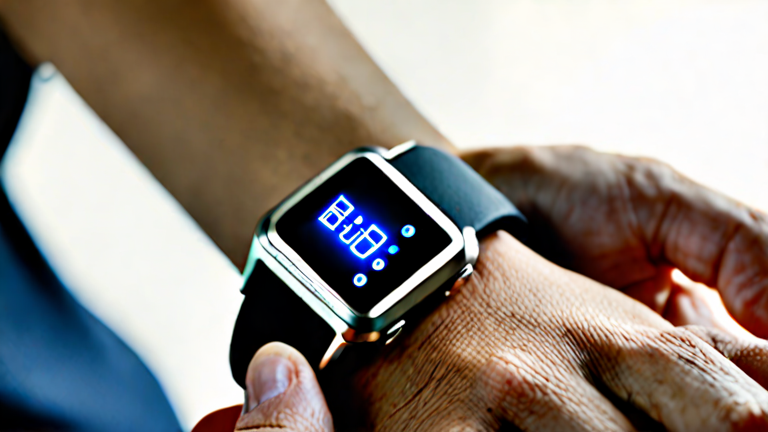
    Recent hardware iterations prioritize accuracy without compromising wearability. Leading edge smartwatches and dedicated sleep trackers now feature multi-band GPS, dual-frequency heart rate sensors, and electrodermal activity (EDA) monitors to assess stress during the sleep cycle. A critical specification update is the integration of on-device machine learning processors. These NPUs (Neural Processing Units) allow for real-time analysis of sleep stages—light, deep, and REM—without constantly syncing to the cloud, thereby enhancing battery life and privacy. Furthermore, the ecosystem is expanding beyond wrist-worn devices. Smart mattresses equipped with piezoelectric sensors and ambient light controllers are now standard in premium wellness suites. These systems work in concert with wearable data to create a closed-loop environment where bedroom temperature, noise, and light levels are automatically adjusted to facilitate deeper sleep cycles. The convergence of IoT (Internet of Things) and health informatics means that a user’s sleep score is no longer an isolated number but a composite index derived from dozens of biometric variables.

    Industry Impact and Corporate Adoption

    The impact of sleep optimization on the broader industry is profound and multifaceted. In the corporate sector, sleep quality is increasingly recognized as a direct correlate to cognitive performance, decision-making capability, and workplace safety. Fortune 500 companies are beginning to integrate sleep data into their employee wellness platforms, treating rest as a core productivity metric rather than a personal choice. This has led to the rise of “Sleep-as-a-Service” models, where employers subsidize high-end sleep tracking devices and AI coaching apps to reduce burnout and absenteeism. For consumer electronics manufacturers, the competition has shifted from raw feature lists to data utility and actionable insights. Brands that can translate complex biometric data into simple, behavioral nudges are gaining market share. Additionally, the insurance industry is starting to explore partnerships with sleep tech companies, offering premium discounts for users who maintain consistent, high-quality sleep patterns. This data-driven approach is standardizing wellness metrics, making sleep optimization a central pillar of modern health infrastructure. As the technology becomes more accessible and accurate, the expectation for optimized rest is set to become a baseline requirement for high-performing individuals and organizations alike.

    FAQ

    Q: How does AI improve sleep tracking accuracy?
    A: AI algorithms analyze historical biometric data to identify unique patterns, filtering out noise from movement and adapting to individual circadian rhythms for more precise stage detection.

    Q: What is the primary benefit of non-contact sleep sensors?
    A: Non-contact sensors eliminate the need to wear a device to bed, reducing potential sleep disruption from discomfort or charging requirements while maintaining high data fidelity.

    Q: Are sleep optimization metrics standardized across different devices?
    A: No, metrics vary significantly by manufacturer, though industry bodies are working toward creating universal data standards to ensure interoperability between health platforms.
    Related Articles

  • How AI Agents Reshape Enterprise Software Workflows

    How AI Agents Reshape Enterprise Software Workflows

    TL;DR: AI agents are transforming enterprise software by autonomously executing complex, multi-step tasks that previously required human intervention. This shift reduces operational costs by up to 30% while increasing workflow efficiency and scalability across global organizations.

    The landscape of enterprise technology is undergoing a fundamental paradigm shift, moving from passive digital assistants to active, autonomous AI agents. These sophisticated systems are no longer limited to simple question-answering or data retrieval; they now possess the capability to plan, execute, and verify complex workflows independently. As enterprises seek to optimize operations in an increasingly competitive market, the integration of agentic AI has become a critical strategic priority. Recent market analysis indicates that the global AI agent market is projected to reach $15 billion by 2027, growing at a compound annual growth rate of 45%. This rapid expansion underscores the urgent demand for technologies that can bridge the gap between data intelligence and actionable business outcomes.

    Traditional enterprise software often suffers from fragmentation, requiring employees to navigate multiple disparate systems to complete a single task. AI agents solve this by acting as a unified orchestrator. For instance, in supply chain management, an agent can monitor real-time inventory levels, predict demand fluctuations using historical data, and automatically reorder stock from preferred vendors without human approval. This level of autonomy is not just about speed; it is about reliability and consistency. According to a recent survey by Gartner, 70% of CIOs plan to increase their AI agent budgets in the next two fiscal years. The primary driver is the reduction of manual administrative burden, which currently accounts for nearly 40% of employee working hours in many industries. By offloading these repetitive tasks to autonomous agents, enterprises can reallocate human capital to high-value strategic initiatives, such as innovation and customer relationship management.

    If you want to dig deeper, check out our guide on Slow Living & Analog Hobbies: Beat Digital Fatigue.

    Expert Insights on Integration Challenges

    Despite the promise, experts warn that the deployment of AI agents is not without its hurdles. Dr. Elena Ross, a principal architect at a leading cloud consultancy, notes, “The biggest challenge is not the technology itself, but the organizational readiness to trust autonomous systems. Enterprises must establish robust governance frameworks to ensure that agents operate within ethical and compliance boundaries. We are seeing a move from ‘copilot’ models, where AI suggests actions, to ‘autopilot’ models, where AI executes them. This transition requires a fundamental shift in how teams are structured and how performance is measured.” Furthermore, security concerns remain paramount. Since agents often require access to sensitive data and system permissions, they become potential attack vectors if not properly secured. Industry leaders are advocating for zero-trust architectures that verify every agent action, ensuring that autonomy does not compromise data integrity.

    Future Predictions and Strategic Outlook

    Looking ahead, the next three years will likely see the emergence of multi-agent systems where specialized agents collaborate to solve complex problems. For example, a legal compliance agent might work alongside a financial auditing agent to ensure that new contracts meet both regulatory and fiscal standards. By 2026, analysts predict that 50% of routine enterprise workflows will be fully autonomous, driven by such collaborative agent networks. This evolution will force traditional software vendors to pivot from selling software licenses to selling outcome-based services. The focus will shift from user interface design to intent-based interaction, where users define desired outcomes rather than specific steps. Companies that fail to adapt to this agent-centric model risk becoming obsolete, as their competitors leverage AI to achieve unprecedented levels of operational efficiency and responsiveness. The era of passive software is ending; the age of active, intelligent collaboration has begun.

    FAQ

    Q: What is the difference between an AI agent and a chatbot?
    A: A chatbot primarily processes text to provide answers or simple information, while an AI agent can perceive its environment, make decisions, and take autonomous actions to achieve specific goals, often interacting with other software systems to execute complex tasks.

    Q: How do enterprises ensure security when deploying AI agents?
    A: Enterprises implement zero-trust security frameworks, role-based access controls, and continuous monitoring to ensure that AI agents only access necessary data and execute

    Related Articles

  • Wearable Health Sensors Gain Clinical Trust: What You Need to Know

    Wearable Health Sensors Gain Clinical Trust: What You Need to Know

    TL;DR: Wearable health sensors have transitioned from novelty gadgets to vital clinical tools by achieving rigorous validation and seamless integration with electronic health records. You need to know how to select FDA-cleared devices, ensure data interoperability, and prioritize patient privacy to build genuine clinical trust.

    Step-by-Step Guide to Implementing Wearable Sensors Clinically

    Building trust in wearable health technology requires a structured approach that addresses accuracy, usability, and security. Follow these steps to integrate devices into your clinical workflow effectively.

    If you want to dig deeper, check out our guide on 7 Simple Daily Habits for Better Health That Actually Work.

    Step 1: Evaluate Regulatory Status and Validation Data

    Before recommending any wearable, verify its regulatory status. Look for FDA clearance or CE marking, which indicates the device has undergone rigorous testing for safety and efficacy. Review independent clinical studies that compare the device’s readings against gold-standard laboratory tests. Do not rely solely on manufacturer claims; seek peer-reviewed evidence that demonstrates consistent accuracy across diverse patient populations. This foundational step ensures that the data clinicians rely on is medically valid.

    Step 2: Ensure Interoperability with Electronic Health Records

    For a wearable to be clinically useful, its data must flow seamlessly into the patient’s medical record. Check if the device manufacturer supports standard data exchange protocols such as HL7 FHIR. Manual data entry is prone to error and reduces workflow efficiency. Ensure that the wearable’s app or backend system can automatically sync heart rate, blood pressure, glucose levels, or sleep data directly into your existing EHR platform. This integration allows for real-time monitoring and comprehensive patient views during consultations.

    Step 3: Prioritize Data Privacy and Security

    Health data is sensitive, and patients must feel secure sharing it with their providers. Confirm that the device complies with HIPAA (in the US) or GDPR (in Europe) regulations. Review the vendor’s data storage policies to understand where data is hosted and who has access to it. Transparent privacy policies build patient confidence. Clearly communicate to patients that their data is encrypted and used solely for their care, not for marketing or insurance underwriting, unless explicitly consented to.

    Step 4: Train Staff and Educate Patients

    Technology only works if it is used correctly. Provide training for nurses and physicians on how to interpret wearable data within the context of other clinical findings. Simultaneously, educate patients on proper device usage, such as wearing the watch on the correct wrist or applying sensors correctly. Address common misconceptions about accuracy and limitations. When patients understand the value and limitations of the tool, compliance improves, and trust deepens.

    Step 5: Monitor Performance and Gather Feedback

    After implementation, continuously monitor the device’s performance. Track metrics such as data transmission success rates, patient satisfaction scores, and clinical outcomes. Gather feedback from both clinicians and patients to identify friction points. Regularly update protocols based on this feedback. Continuous improvement demonstrates to stakeholders that the technology is a dynamic asset, not a static commodity, further solidifying its role in clinical care.

    Tips for Success

    Start with a pilot program in a single department to manage risk and refine processes. Choose devices with intuitive user interfaces to minimize adoption barriers. Maintain open communication channels with the vendor for rapid troubleshooting. Remember that the goal is better patient care, not just technology adoption. Keep the human element at the center of every decision.

    FAQ

    Q: Are all wearable health sensors clinically accurate?
    A: No, not all wearables are clinically accurate. Consumer-grade devices may suffice for general wellness, but clinical decisions require devices with validated accuracy and regulatory clearance for medical use.

    Q: How does data interoperability affect clinical trust?
    A: Seamless data integration reduces manual errors and saves time, allowing clinicians to focus on care rather than data entry. This efficiency enhances the perceived reliability and utility of the technology.

    Q: What is the biggest barrier to adopting wearables in clinics?
    A: Data privacy concerns and lack of interoperability are

    Related Articles

  • 7 Simple Morning Habits for Better Health & Energy

    TL;DR: The best morning routines combine hydration, light exposure, movement, and a protein-rich breakfast to stabilize energy and mood. Consistently practicing these seven science-backed habits helps regulate your circadian rhythm, blood sugar, and stress response for better health all day.

    1. Drink Water Before Caffeine

    You wake up mildly dehydrated after 7–8 hours without fluids. A 2015 review in Nutrients notes that even mild dehydration impairs concentration and mood. Drink 12–16 ounces of water within 15 minutes of waking, then wait 60–90 minutes before coffee. This buffers cortisol, which naturally peaks soon after waking, and reduces the jittery crash that follows caffeine on an empty stomach.

    If you want to dig deeper, check out our guide on Biohacking Sleep Hacks: Mainstream Traction & Proven Benefit.

    2. Get Sunlight Within 30 Minutes

    Morning light is the strongest signal for your circadian clock. Research in Sleep Health shows that 10–15 minutes of outdoor light soon after waking improves sleep quality that night and boosts daytime alertness. Skip sunglasses, but never stare at the sun. Cloudy day? You still get roughly 10 times more lux outdoors than indoors.

    3. Move Your Body Briefly

    You don’t need a full workout. A 10-minute walk, a few sun salutations, or dynamic stretching raises heart rate and delivers oxygen to the brain. A 2019 study in the British Journal of Sports Medicine found that morning exercise improves attention and decision-making for hours. Bonus: it anchors your circadian rhythm even further.

    4. Delay Your First Coffee

    Caffeine blocks adenosine, the molecule that builds sleep pressure. If you drink coffee immediately upon waking, you mask residual adenosine without clearing it, which sets up an afternoon slump. Waiting 60–90 minutes lets cortisol do its job first, so caffeine works better on less.

    5. Eat a Protein-Forward Breakfast

    A 2021 study in the Journal of Nutrition found that a 30-gram protein breakfast reduces cravings and stabilizes blood sugar compared with a carb-heavy one. Try eggs, Greek yogurt, or tofu scramble. Add fiber from berries or oats for slow-release energy.

    6. Do a 2-Minute Mindfulness Check-In

    Before diving into email, take five slow breaths and name one thing you’re grateful for. Research from Harvard Health links brief morning mindfulness to lower anxiety and better focus. It’s not about emptying your mind—just noticing it.

    7. Make Your Bed

    This tiny act of order creates a “keystone habit” that researchers say cascades into better choices throughout the day. In a Personality and Individual Differences study, people who made their beds reported higher life satisfaction and productivity. It takes 30 seconds and signals that you’re in control.

    FAQ

    Q: How long does it take to build these morning habits?
    A: Research suggests 21 to 66 days, depending on the habit and person. Start with just one—like drinking water—and stack the next habit onto it after a week.

    Q: Can I do these habits if I wake up at 5 a.m. versus 9 a.m.?
    A: Yes. The timing is relative to your wake time, not the clock. Sunlight and movement within 30–60 minutes of waking work the same whether you’re an early bird or a night owl.

    Q: What if I only have 10 minutes in the morning?
    A: Prioritize water, sunlight, and one minute of movement. Those three give you the biggest circadian and hydration benefits. Save coffee delay and breakfast protein for when you have more time.

    Related Articles

  • Slow Living & Analog Hobbies: Beat Digital Fatigue

    TL;DR: Analog hobbies like pottery, journaling, and wood carving effectively combat digital fatigue by forcing a shift to tactile, slow-paced engagement. These activities reduce screen time and lower cortisol levels, promoting mental clarity and a deeper sense of presence in the physical world.

    The Digital Overload Paradox

    In an era where our eyes are constantly scanning glowing rectangles, digital fatigue has become a silent epidemic. We are over-stimulated yet under-connected, experiencing a paradox of being constantly online but rarely truly present. The brain, designed for tangible interaction, begins to suffer when deprived of physical feedback. This leads to restlessness, decreased attention spans, and a persistent low-level anxiety that digital detoxes alone often fail to cure. The solution lies not in merely turning off screens, but in actively engaging the senses through slow, analog practices that demand patience and focus.

    If you want to dig deeper, check out our guide on Why Matching Dye Is the New Black in Sustainable Denim.

    Feature Highlights of Analog Engagement

    One of the most compelling features of analog hobbies is their inherent resistance to multitasking. You cannot effectively sculpt clay while checking emails. This singular focus acts as a form of active meditation, allowing the mind to clear out the mental clutter accumulated throughout the day. Furthermore, the tangible nature of the output provides a concrete reward. Unlike digital likes or shares, which are ephemeral, a hand-thrown ceramic mug or a stitched quilt is a physical object that serves a purpose and lasts for years. This permanence fosters a sense of accomplishment that is deeply satisfying and grounded.

    Another key highlight is the sensory richness involved. Analog activities engage touch, smell, and sound in ways that digital interfaces simply cannot replicate. The roughness of sandpaper, the scent of fresh cedar shavings, or the coolness of wet clay provide immediate, visceral feedback. This sensory engagement anchors the individual in the present moment, breaking the cycle of mind-wandering and future-tripping that characterizes digital consumption. It is a full-body experience that reconnects the user with their physical reality.

    Comparing Digital vs. Analog Experiences

    When comparing digital scrolling to analog crafting, the difference in cognitive load is stark. Digital consumption is passive and often fragmented, leading to cognitive overload. In contrast, analog hobbies are active and linear. For example, consider the act of writing by hand versus typing on a keyboard. Handwriting is slower, forcing the writer to edit and refine thoughts in real-time. This slowness encourages deeper reflection and better retention. Similarly, watching a tutorial video on woodworking is passive, but actually planing a piece of wood requires full physical and mental attention. The latter builds muscle memory and spatial awareness, skills that are atrophied in a screen-dominated lifestyle.

    Moreover, the feedback loop in analog activities is immediate and physical. If you make a mistake in digital design, you can undo it with a single click, often leading to careless experimentation. In analog work, mistakes are permanent and must be worked around or corrected physically. This constraint fosters mindfulness and careful decision-making. It teaches patience and resilience, traits that are increasingly rare in a world of instant gratification.

    Call to Action: Reclaim Your Time

    Start small. Choose one analog hobby that appeals to your senses and dedicate thirty minutes a day to it. Leave your phone in another room. Embrace the imperfection of hand-made work. Let the dust from the wood or the clay on your hands remind you that you are alive and present. By integrating these slow practices into your routine, you can significantly reduce digital fatigue and cultivate a richer, more mindful existence. Your brain will thank you for the break from the glow.

    FAQ

    Q: Do I need expensive equipment to start?
    A: No, most analog hobbies can be started with minimal, affordable tools. Basic supplies for journaling, sketching, or simple knitting are inexpensive and accessible.

    Q: How long does it take to see benefits?
    A: Many people report feeling more relaxed and focused within a few days of consistent practice. Long-term cognitive benefits typically emerge after a few weeks of regular engagement.

    Related Articles

  • Brain-to-Text: How Neural Interfaces Enable Direct Communication

    TL;DR: Brain-to-text neural interfaces decode imagined or attempted speech directly from cortical signals, converting thought into typed words without physical movement. Recent breakthroughs in high-density electrode arrays and AI language models have pushed accuracy past 90% for limited vocabularies, with commercial medical devices now entering clinical trials.

    From Lab to Clinic

    The market for brain-computer interfaces (BCIs) is accelerating. According to industry analysts, the global BCI sector is projected to exceed $6 billion by 2030, growing at a compound annual rate above 15%. Much of that momentum comes from brain-to-text applications, which offer the clearest near-term clinical value for patients with paralysis, ALS, or locked-in syndrome.

    If you want to dig deeper, check out our guide on Why Glazed Donuts Are the Most Searched Food Trend.

    What’s Driving Accuracy

    Two forces are converging. First, hardware: intracortical microelectrode arrays and minimally invasive stentrodes now capture neural activity with far greater fidelity than a decade ago. Second, software: transformer-based language models fill in gaps the electrodes miss, acting as a statistical autocomplete for neural noise.

    “The decoder is no longer the bottleneck—the electrode is,” says one neurotechnology researcher at a leading university lab. “As arrays scale from hundreds to thousands of channels, word error rates drop sharply.”

    Real-World Milestones

    In 2023, academic teams demonstrated a paralyzed participant typing roughly 60 words per minute via imagined handwriting, roughly matching smartphone thumb-typing speeds. Companies such as Synchron and Neuralink have since moved implantable systems into human trials, while non-invasive startups chase consumer-grade EEG alternatives with far lower bandwidth.

    What Comes Next

    Analysts expect three phases: medical restoration (2025–2028), assistive augmentation for severe motor impairment (2028–2032), and eventually mainstream consumer interfaces—though ethical, privacy, and regulatory hurdles remain substantial. Latency, biocompatibility, and long-term electrode stability will determine how fast adoption spreads.

    FAQ

    Q: Is brain-to-text the same as mind reading?
    A: No. Current systems decode intentional speech or handwriting attempts, not private thoughts. Users must actively try to communicate, and decoders only output words the person intends.

    Q: How fast can people type with these interfaces?
    A: Leading research systems reach 60–90 words per minute for trained participants with limited vocabularies, comparable to normal typing, though performance varies widely by implant type and individual.

    Q: When will brain-to-text be available outside hospitals?
    A: Medical devices are already in clinical trials, with broader assistive approval possible by the late 2020s. Consumer versions likely remain a decade or more away due to safety and regulatory requirements.

    Related Articles

  • Best Budget Noise-Canceling Headphones for Remote Work

    TL;DR: The best budget noise-canceling headphones for remote work in 2024 are the Anker Soundcore Space One, Sony WH-CH720N, and JBL Tune 770NC, all priced between $80 and $130. They deliver hybrid ANC, 40+ hour battery life, and multipoint Bluetooth—features once reserved for $300+ flagships.

    Why Budget ANC Finally Works for Remote Work

    Active noise cancellation has trickled down fast. Chipmakers like Bestechnic and Qualcomm now ship affordable hybrid ANC silicon, letting brands pair feed-forward and feed-back microphones at low cost. The result: sub-$150 headphones that cut keyboard clatter, HVAC hum, and street noise by 20–30 dB—enough to protect focus during calls and deep-work blocks.

    If you want to dig deeper, check out our guide on AI Agents That Handle Your Daily Tasks: A Busy Pro’s Guide.

    Latest Developments and Key Specs

    The 2024 wave centers on three upgrades. First, multipoint Bluetooth 5.3 is now standard, so you can jump between a work laptop and phone without re-pairing. Second, transparency modes have improved, letting you hear doorbells or coworkers naturally. Third, battery life has stretched to 40–60 hours with ANC on, with 5-minute quick charges yielding 4–5 hours.

    Standouts include the Anker Soundcore Space One (40mm drivers, 55-hour ANC battery, LDAC support), the Sony WH-CH720N (V1 processor, 35 hours, lightweight 192g frame), and the JBL Tune 770NC (70-hour max battery, adaptive ANC, JBL Headphones app EQ). Each includes beamforming mics for clearer voice pickup on Zoom and Teams.

    Industry Impact

    This price collapse pressures premium brands to justify $300+ models through spatial audio, premium materials, and superior call clarity. It also expands the remote-work accessory market, pushing employers to offer stipends for audio gear. Expect further commoditization of basic ANC, with differentiation shifting to AI-driven call noise reduction and hearing-health features.

    FAQ

    Q: Are budget noise-canceling headphones good enough for calls?
    A: Yes. Models like the Soundcore Space One and Sony WH-CH720N use beamforming mics and AI noise reduction that handle home offices well, though premium sets still win in very windy or crowded spaces.

    Q: What battery life should I expect under $150?
    A: Most now deliver 35–60 hours with ANC on. The JBL Tune 770NC reaches about 70 hours with ANC off, while quick-charge features add hours in minutes.

    Q: Do cheap ANC headphones support multipoint pairing?
    A: Increasingly, yes. Bluetooth 5.3 multipoint is common in 2024 budget models, letting you connect a laptop and phone simultaneously—critical for remote work.

    Related Articles

  • 10 Simple Lifestyle Changes for a Happier, Healthier You

    TL;DR: Small, consistent shifts in how you eat, move, and explore the world can dramatically improve your wellbeing. This guide offers ten practical changes—from mindful meals to local adventures—that anyone can start today.

    1. Eat One Meal Mindfully Each Day

    Instead of scrolling while you chew, sit down and truly taste your food. Whether it’s a bowl of ramen in Tokyo or toast at home, slow eating improves digestion and makes mealtime a ritual rather than a race.

    If you want to dig deeper, check out our guide on Neural Wearables vs. Smartwatches: The Future of Health Trac.

    2. Walk Like a Local

    Skip the taxi when you travel—and when you’re home. Walking through unfamiliar neighborhoods, markets, and side streets burns calories, boosts mood, and reveals hidden gems no guidebook mentions.

    3. Cook a Dish From Another Culture Weekly

    Learning to make Thai curry or Moroccan tagine isn’t just fun—it expands your palate, teaches patience, and connects you to traditions far older than your kitchen.

    4. Take a “Micro-Adventure” Every Weekend

    You don’t need a plane ticket. A nearby hiking trail, a museum you’ve ignored, or a new café counts. Novelty is fuel for a happier brain.

    5. Practice Gratitude Over Dinner

    Share one good thing from your day with family or friends. This simple habit, borrowed from cultures worldwide, rewires your focus toward what’s going right.

    6. Sleep Like You’re on Vacation

    Dark room, cool temperature, no screens an hour before bed. Rest is the foundation every other healthy habit stands on.

    7. Drink More Water, Less Everything Else

    Swap one sugary drink daily for water or herbal tea. Your skin, energy, and waistline will notice within weeks.

    8. Learn Three Phrases in a New Language

    Even “hello,” “thank you,” and “delicious” open doors. Language learning sharpens memory and turns strangers into friends.

    9. Move Your Body for Ten Minutes Daily

    Dance, stretch, or do squats during a coffee break. Consistency beats intensity every time.

    10. Unplug for One Hour Before Bed

    Read, journal, or simply sit quietly. Your mind needs a runway to land, not a cliff.

    FAQ

    Q: How long before these changes make a difference?
    A: Most people feel better within one to two weeks, especially after improving sleep and hydration.

    Q: Do I need to travel to benefit from these tips?
    A: Not at all. Curiosity and consistency matter more than location—your own city works perfectly.

    Q: Which change should I start with?
    A: Pick the easiest one, like drinking more water or walking daily, and build momentum from there.

    Related Articles

  • **Solo Living Sparks Compact, Smart Home Design Trends**

    TL;DR: The surge in solo living is driving a $45 billion shift toward compact, technology-integrated home designs that prioritize efficiency and automation. Experts predict that by 2027, smart home features will become standard in 80% of new single-person dwellings, fundamentally redefining urban real estate values and lifestyle expectations.

    The Rise of the Single-Occupant Home

    The demographic landscape of residential living is undergoing a profound transformation. With over 100 million households in the United States now consisting of a single person, the era of the sprawling family home is yielding to the era of the optimized solo abode. This shift is not merely a statistical curiosity; it is a structural force reshaping architectural priorities. Developers are rapidly abandoning large, open-plan layouts that suit families in favor of micro-units, studio apartments, and compact townhomes. The core driver is economic: solo dwellers often have higher disposable income per square foot but smaller total space requirements, making them prime targets for premium, high-density housing solutions.

    If you want to dig deeper, check out our guide on Regenerative Ag Tech: Scaling Soil Carbon Sequestration.

    Smart Technology as a Space Multiplier

    In a small footprint, every inch must work twice as hard. This reality has accelerated the adoption of smart home technologies that serve as space multipliers. Market data from the International Data Corporation indicates that the smart home market is projected to reach $210 billion by 2025, with the majority of new installations occurring in homes under 800 square feet. Multi-functional furniture embedded with IoT sensors, automated climate control systems that adjust based on occupancy, and voice-activated lighting are no longer luxuries but necessities. These technologies allow a 400-square-foot studio to feel and function like a much larger space by dynamically adapting to the resident’s daily rhythms.

    Expert Insights on Design Philosophy

    Industry leaders emphasize that the new design philosophy is centered on “intelligent minimalism.” Sarah Jenkins, a principal architect at FutureForm Studios, notes, “We are moving away from the idea that space is fixed. Instead, space is a service. Smart panels that retract, modular kitchens that expand, and digital interfaces that replace physical controls are essential. The goal is to reduce visual clutter and physical bulk, allowing the resident to feel expansive despite the compact exterior.” This sentiment is echoed by real estate analysts who point out that buyers are increasingly willing to pay a 15% premium for units that offer seamless integration of smart systems, viewing them as a form of modern convenience that rivals outdoor space.

    Future Predictions and Market Trajectory

    Looking ahead, the trend is expected to deepen with the integration of AI-driven personalization. By 2027, it is predicted that 80% of new compact homes will feature AI systems that learn user habits to optimize energy usage and comfort automatically. Furthermore, the rise of remote work has solidified the need for dedicated, tech-enabled workspaces within these small footprints. We anticipate a surge in “smart office nooks” that can be converted into leisure areas with a single command. As urbanization continues and land costs rise, the synergy between solo living, compact design, and smart technology will not just be a trend but the dominant paradigm for urban housing, creating a more efficient, responsive, and personalized living experience for a growing segment of the population.

    FAQ

    Q: Why are solo dwellers driving the adoption of smart home tech?
    A: Solo dwellers prioritize efficiency and convenience in smaller spaces, making automated systems essential for maximizing utility and reducing physical clutter in compact layouts.

    Q: What is the projected market value of smart home installations in compact units by 2027?
    A: While the broader smart home market is projected to reach $210 billion by 2025, specific data suggests that 80% of new compact units will include standard smart features, indicating a multi-billion dollar segment dedicated to solo living.

    Q: How does AI change the experience of living in a small space?
    A: AI systems personalize the environment by learning user habits,

    Related Articles

  • Why the Apple M3 Chip Changes Everything for Pro Video

    TL;DR: The Apple M3 family brings hardware-accelerated ray tracing, Dynamic Caching, and AV1 decode to the Mac, finally giving pro video workflows desktop-class GPU features in a mobile power envelope. For editors, colorists, and VFX artists, this means faster renders, smoother timelines, and true portability without proxy compromises.

    When Apple announced the M3, M3 Pro, and M3 Max in late 2023, the headlines focused on gaming and AI. But the real story for professional video is subtler and more consequential. Built on the 3-nanometer process, the M3 series isn’t just a speed bump over M2—it rearchitects how the GPU handles memory, which matters enormously for video.

    If you want to dig deeper, check out our guide on Personalized Longevity Treatments: The New Healthcare Standa.

    Hardware Ray Tracing Comes to the Mac

    For the first time, Apple silicon includes dedicated ray-tracing hardware. In apps like Blender, Cinema 4D, and DaVinci Resolve’s Fusion page, this translates to dramatically faster 3D renders and more responsive viewport performance. VFX artists who previously kept a PC workstation for GPU-heavy tasks can now consider an all-Mac pipeline.

    Dynamic Caching and AV1 Decode

    Dynamic Caching allocates GPU memory on the fly, ensuring only actively used data consumes VRAM. In practice, this boosts complex timeline playback and effects rendering without requiring a VRAM ceiling upgrade. Meanwhile, hardware AV1 decode is a quiet revolution: streaming platforms and cameras increasingly shoot AV1, and the M3 handles it natively, cutting CPU load and battery drain during review and edit.

    What It Means for the Industry

    The M3 Max supports up to 128GB of unified memory and drives multiple Pro Display XDRs. For colorists working in HDR, that unified architecture eliminates the copy overhead between CPU and GPU that plagues Intel-based Mac Pros. Post houses are already reporting 8K ProRes RAW multicam edits that once needed a Mac Pro tower now running on a MacBook Pro. Adobe, Blackmagic, and Avid have shipped optimized builds, and the ecosystem is catching up fast.

    The broader impact is workflow democratization. A freelance editor can now deliver HDR-ready, ray-traced motion graphics from a coffee shop. That’s not just convenience—it reshapes hiring, studio overhead, and how quickly projects move from shoot to screen.

    FAQ

    Q: Does the M3 support 8K video editing?
    A: Yes. The M3 Max handles multiple streams of 8K ProRes and can decode AV1 natively, making it viable for high-resolution workflows without proxies.

    Q: Is ray tracing actually useful for video editors?
    A: It’s most relevant for motion graphics, 3D compositing, and VFX. Editors working purely in cuts and color won’t notice it, but hybrid roles will see real gains.

    Q: Should I upgrade from an M2 Max?
    A: If you rely on 3D rendering or AV1 content, yes. For standard 4K editing, the M2 Max remains capable, so the upgrade is optional.

    Related Articles