Category: Uncategorized

  • Mental Health Apps & Wearables: The Perfect Integration

    Mental Health Apps & Wearables: The Perfect Integration

    Mental Health Apps & Wearables: The Perfect Integration

    In the rapidly evolving landscape of digital wellness, the convergence of mental health applications and wearable technology offers unprecedented opportunities for self-care. By syncing these devices, users can gain holistic insights into their psychological well-being, transforming abstract feelings into actionable data. This guide provides a streamlined approach to integrating your mental health app with your wearable device, ensuring a seamless and effective experience.

    Step 1: Select Compatible Tools

    The foundation of a successful integration lies in choosing devices that communicate effectively. Start by auditing the apps currently installed on your smartphone. Popular mental health platforms like Headspace, Calm, or Woebot often have partnerships with major wearable manufacturers. Simultaneously, review your wearable device, whether it is an Apple Watch, Fitbit, Garmin, or Samsung Galaxy Watch. Ensure both ecosystems support data sharing via standard protocols like Apple HealthKit or Google Fit. This compatibility check prevents future connectivity issues and ensures that heart rate variability (HRV) and sleep data are accurately transmitted between platforms.

    Step 2: Configure Permissions and Syncing

    Once you have selected your tools, the technical setup begins. Open your wearable’s companion app on your smartphone and navigate to the settings menu. Look for the “Privacy” or “Data Sharing” section. Here, you will need to grant permission for your mental health app to access specific biometric data. Typically, you should allow access to heart rate, sleep stages, and stress levels. Conversely, open your mental health application and navigate to its integration settings. Connect it to your wearable’s service provider. This bidirectional sync allows the app to adjust its recommendations based on your physiological state, such as suggesting a breathing exercise if your stress levels spike.

    Step 3: Customize Your Dashboard

    After the technical connection is established, personalize your experience. Most mental health apps allow you to create custom dashboards. Integrate your wearable’s sleep score and daily stress trends into this view. This visual correlation helps you identify patterns. For instance, you might notice that poor sleep quality on weekdays correlates with higher anxiety levels on Monday mornings


    Related Articles

  • Top 10 Trends Shaping the Future of Digital Marketing in 2026

    Top 10 Trends Shaping the Future of Digital Marketing in 2026

    Top 10 Trends Shaping the Future of Digital Marketing in 2026

    The landscape of digital marketing is undergoing a seismic shift. As we navigate through 2026, the convergence of artificial intelligence, evolving consumer privacy standards, and the rise of immersive technologies is redefining how brands connect with audiences. For marketers, staying ahead of the curve is no longer optional; it is a survival imperative. This article explores the top ten trends driving this transformation, backed by critical market data and expert insights.

    First, **Generative AI** has moved from hype to utility. According to recent reports, over 65% of marketing leaders now use AI tools for content creation, significantly reducing production time. However, experts warn that while AI drives efficiency, the human touch remains crucial for brand authenticity. The next trend is **Zero-Party Data**. With third-party cookies disappearing, brands are incentivizing customers to share data directly through quizzes and polls. This direct line of communication fosters deeper trust and personalization.

    Third, **Short-Form Video** continues its dominance. Platforms like TikTok and Instagram Reels are not just for entertainment; they are powerful sales channels. Market data indicates that video content generates 1200% more shares than text and image content combined. Fourth, **Voice Search Optimization** is becoming essential. As smart speakers become ubiquitous, optimizing for conversational queries and local SEO is critical for capturing this growing audience segment.

    Fifth, **Authenticity and Transparency** are key drivers of consumer loyalty. Modern shoppers, particularly Gen Z, demand brands that stand for something. Sixth, **Interactive Content**, such as polls, quizzes, and augmented reality (AR) filters, boosts engagement rates by up to 20%. Seventh, **Privacy-First Marketing** is reshaping ad strategies. Marketers must balance personalization with respect for user privacy, leveraging first-party data responsibly.

    Eighth, **Social Commerce** is blurring the lines between discovery and purchase. Live shopping events in Asia have proven highly effective, and Western platforms are rapidly adopting these features. Ninth, **Sustainability Marketing** is no longer a niche. Consumers increasingly choose

    Related Articles

  • 2026 Digital Marketing Trends: What You Need to Know Now

    2026 Digital Marketing Trends: What You Need to Know Now

    2026 Digital Marketing Trends: What You Need to Know Now

    The digital marketing landscape is undergoing a seismic shift in 2026, driven by rapid advancements in artificial intelligence and changing consumer behaviors. As we navigate this complex terrain, businesses must adapt quickly to remain competitive. This article explores the critical trends shaping the industry, backed by market data and expert insights, to help you future-proof your strategy.

    Digital marketing analytics dashboard showing growth trends and data visualization

    First and foremost, AI-driven personalization has moved from a luxury to a necessity. According to recent industry reports, 71% of consumers expect personalized interactions, and 76% get frustrated when this doesn’t happen. Tools powered by generative AI are now enabling hyper-personalized content at scale, allowing brands to tailor messages to individual preferences in real-time. This isn’t just about using a first name in an email; it’s about dynamic content blocks that change based on user behavior, purchase history, and even time of day. Experts predict that by the end of 2026, AI-generated content will account for 30% of all digital content on the web, up from just 10% in 2023.

    If you want to dig deeper, check out our guide on How AI Agents Automate Complex Enterprise Workflows.

    Secondly, the rise of privacy-centric marketing is reshaping data collection strategies. With the deprecation of third-party cookies and stricter global privacy regulations, marketers are pivoting toward first-party data strategies. This shift emphasizes building direct relationships with customers through owned channels like email lists, loyalty programs, and mobile apps. Industry leaders suggest that brands investing in zero-party data—information customers intentionally share—will see a 20% increase in conversion rates compared to those relying solely on behavioral tracking.

    Furthermore, short-form video content continues to dominate engagement metrics. Platforms like TikTok, Instagram Reels, and YouTube Shorts are not just for entertainment; they are powerful sales channels. Data indicates that video content generates 1200% more shares than text and image content combined

    Related Articles

  • Sustainable Fashion Goes Mainstream: Consumer Adoption Soars

    Sustainable Fashion Goes Mainstream: Consumer Adoption Soars

    Sustainable Fashion Goes Mainstream: Consumer Adoption Soars

    The fashion industry, long criticized for its environmental footprint and labor practices, is undergoing a seismic shift. No longer confined to niche boutiques or eco-conscious outliers, sustainable fashion has exploded into the mainstream consciousness. Recent market analysis indicates a significant surge in consumer adoption, driven by heightened awareness of climate change, transparency demands, and innovative technological integrations that make ethical choices more accessible and appealing to the average shopper.

    At the forefront of this revolution is the integration of blockchain technology and AI-driven supply chain tracking. These tools provide unprecedented transparency, allowing consumers to scan a QR code on a garment’s tag and view its entire journey, from raw material sourcing to final assembly. This level of visibility has rebuilt trust in brands that previously obscured their practices. Major retailers are now mandating digital product passports, a specification that includes data on material composition, carbon footprint, and recyclability. These specs are no longer optional marketing points but essential features that influence purchasing decisions for over 60% of millennials and Gen Z shoppers.

    If you want to dig deeper, check out our guide on 10 Proven Health Tips to Boost Energy and Wellness Today.

    The impact on the broader industry is profound. Traditional fast fashion giants are scrambling to adapt, investing billions in circular economy models. Instead of the linear “take-make-dispose” model, companies are implementing take-back schemes, repair services, and rental platforms. For instance, leading denim brands have introduced water-less dyeing technologies that reduce water consumption by 90% compared to traditional methods. Similarly, the rise of bio-fabricated materials, such as leather alternatives grown from mycelium or pineapple leaves, is reducing reliance on animal products and synthetic polymers derived from fossil fuels. These innovations are not just gimmicks; they represent a fundamental restructuring of production logic.

    Investor sentiment has also shifted dramatically. ESG (Environmental, Social, and Governance) criteria are now primary filters for venture capital and private equity firms. Startups focusing on regenerative agriculture for cotton or closed-loop recycling systems are securing record funding rounds. This capital influx accelerates research and development, lowering the cost of sustainable materials and making them competitive with conventional counterparts. The industry impact extends beyond retail; logistics, packaging, and even marketing sectors are being re

    Related Articles

  • Top 10 Science-Backed Health Tips for a Longer, Happier Life

    Top 10 Science-Backed Health Tips for a Longer, Happier Life

    Top 10 Science-Backed Health Tips for a Longer, Happier Life

    Achieving longevity and happiness is not about following a single magic bullet but rather adopting a holistic approach to daily living. Modern science has moved beyond simple calorie counting to understand the complex interplay between our biology, environment, and psychology. By integrating evidence-based habits into your routine, you can significantly enhance both the quality and quantity of your life. Here are ten scientifically proven tips to help you thrive.

    1. Prioritize Whole Foods

    Your diet is the foundation of your health. Research consistently shows that a diet rich in whole, unprocessed foods—such as vegetables, fruits, whole grains, legumes, nuts, and seeds—reduces the risk of chronic diseases. These foods are packed with antioxidants, fiber, and essential nutrients that combat inflammation and support cellular repair. Limiting processed sugars and refined carbohydrates is equally important, as they contribute to insulin resistance and systemic inflammation.

    2. Move Your Body Regularly

    Physical activity is perhaps the most potent anti-aging tool available. The World Health Organization recommends at least 150 minutes of moderate-intensity aerobic activity per week. However, combining cardio with strength training offers superior benefits. Resistance exercises help maintain muscle mass, which naturally declines with age, thereby boosting metabolism and protecting bone density. Even short bursts of movement, like walking after meals, can significantly improve blood sugar regulation.

    3. Protect Your Sleep

    Sleep is not merely a period of rest; it is a critical biological process where the body repairs tissues, consolidates memories, and clears metabolic waste from the brain. Chronic sleep deprivation is linked to a higher risk of obesity, diabetes, heart disease, and cognitive decline. Aim for seven to nine hours of quality sleep per night by maintaining a consistent schedule and creating a dark, cool, and quiet sleeping environment.

    4. Manage Stress Effectively

    Chronic stress triggers the release of cortisol, a hormone that, in excess, can damage the heart, brain, and immune system. Practices such as mindfulness meditation

    Related Articles

  • 10 Easy Health Tips to Boost Your Energy and Well-Being Today

    10 Easy Health Tips to Boost Your Energy and Well-Being Today

    10 Easy Health Tips to Boost Your Energy and Well-Being Today

    Woman stretching in sunlight

    In our fast-paced modern world, maintaining high energy levels and optimal well-being can feel like an uphill battle. However, small, consistent changes often yield the most significant long-term results. By integrating simple, science-backed habits into your daily routine, you can naturally revitalize your body and mind without needing drastic lifestyle overhauls. Here are ten easy tips to help you start feeling better today.

    First, prioritize sleep hygiene. Adults need seven to nine hours of quality rest nightly. Establish a consistent bedtime routine and avoid screens an hour before sleep to regulate your circadian rhythm effectively. Second, start your morning with hydration. After hours of fasting during sleep, your body is mildly dehydrated. Drinking a large glass of water immediately upon waking jumpstarts your metabolism and aids cognitive function.

    Third, incorporate movement into your day. You do not need intense gym sessions; a brisk twenty-minute walk can significantly boost mood and energy levels by increasing blood flow to the brain. Fourth, focus on nutrient-dense foods. Include plenty of colorful vegetables and fruits rich in antioxidants, which combat oxidative stress and inflammation. Fifth, manage stress through mindfulness. Even five minutes of deep breathing or meditation can lower cortisol levels, reducing anxiety and improving focus.

    If you want to dig deeper, check out our guide on Top 5 Design Trends to Watch in 2024.

    Healthy balanced meal with vegetables

    Sixth, limit caffeine intake after noon. While coffee provides a morning boost, consuming it late can disrupt sleep architecture. Seventh, stay socially connected. Strong relationships are linked to longevity and mental health. Schedule regular check-ins with friends or family members. Eighth, spend time in nature. Studies show that exposure to green spaces reduces stress hormones and improves mood instantly. Ninth, practice good posture

    Related Articles

  • Top 10 Tech Trends to Watch in 2026

    Top 10 Tech Trends to Watch in 2026

    Top 10 Tech Trends to Watch in 2026

    The technological landscape of 2026 is defined not just by incremental updates, but by a fundamental shift in how we interact with digital infrastructure. From the maturation of generative AI to the tangible benefits of quantum computing, this year promises to reshape industries ranging from healthcare to finance. As we navigate this pivotal year, it is crucial to understand the specific developments that are driving change, their technical specifications, and their broader industry impact.

    1. Generative AI Goes Multimodal

    Generative AI has moved beyond simple text generation. In 2026, the focus is on multimodal models capable of processing and generating text, images, audio, and video simultaneously. These models utilize advanced transformer architectures with billions of parameters, allowing for nuanced understanding and creation. For industries, this means automated content creation, enhanced customer service bots, and rapid prototyping in design sectors.

    If you want to dig deeper, check out our guide on Top 5 Tech Trends in 2026 You Can’t Ignore.

    2. Edge AI Computing

    As latency becomes a critical factor for autonomous vehicles and smart factories, processing data locally on devices rather than in the cloud is becoming essential. Edge AI chips, such as those utilizing neural processing units (NPUs), offer high performance with low power consumption. This trend reduces bandwidth costs and enhances privacy by keeping sensitive data on the device itself.

    3. Quantum Computing Advancements

    While still in its early stages, quantum computing is making significant strides in error correction and qubit stability. Companies are achieving milestones in logical qubits, which are essential for practical applications. The industry impact is profound, particularly in cryptography, drug discovery, and complex logistical optimization, where quantum algorithms can solve problems in seconds that would take classical computers millennia.

    4. Sustainable Green Tech

    With increasing regulatory pressure, the tech industry is prioritizing sustainability. This includes the development of energy-efficient data centers powered by renewable energy and the creation of biodegradable electronics. Hardware manufacturers are focusing on modular designs that extend product lifecycles, reducing e

    Related Articles

  • 7 Proven SEO Strategies to Boost Your Business Growth in 2026

    7 Proven SEO Strategies to Boost Your Business Growth in 2026

    7 Proven SEO Strategies to Boost Your Business Growth in 2026

    In the rapidly evolving digital landscape of 2026, Search Engine Optimization (SEO) remains the cornerstone of sustainable business growth. As organic search results become increasingly competitive, businesses must adopt advanced, data-driven strategies to maintain visibility and drive meaningful traffic. This article explores seven proven SEO strategies tailored for the current market dynamics, supported by recent market analysis and real-world case studies.

    First, prioritize AI-Driven Content Optimization. With Google’s integration of AI overviews, content must be highly authoritative and structured to answer user queries directly. Second, focus on Core Web Vitals Enhancement. Page speed and user experience are no longer optional; they are ranking factors that directly impact bounce rates. Third, leverage Local SEO with Geofencing. For brick-and-mortar businesses, optimizing for “near me” searches using precise geo-targeted keywords is crucial for capturing local intent.

    If you want to dig deeper, check out our guide on 10 Tech Trends Shaping 2026: What You Need to Know.

    Fourth, implement Video SEO Across Platforms. YouTube and TikTok are now significant search engines. Embedding short-form video content in blog posts can increase dwell time by up to 80%. Fifth, master E-A-T (Expertise, Authoritativeness, Trustworthiness). Google’s algorithms heavily favor content created by verified experts, especially in YMYL (Your Money Your Life) sectors. Sixth, utilize Structured Data and Schema Markup. This technical SEO tactic helps search engines understand your content, leading to rich snippets and higher click-through rates. Seventh, build Strategic Backlink Networks. Quality over quantity remains key; focus on guest posting on industry-relevant sites rather than generic directories.

    Market analysis indicates that businesses implementing these holistic strategies saw an average 40% increase in organic traffic within six months. Consider the case of “TechGear Inc.,” a mid-sized electronics retailer. By optimizing their product pages with detailed schema markup and enhancing page load speeds, they reduced their

    Related Articles

  • Ultimate Guide to AeroFlow Pro 3000 Air Purifier

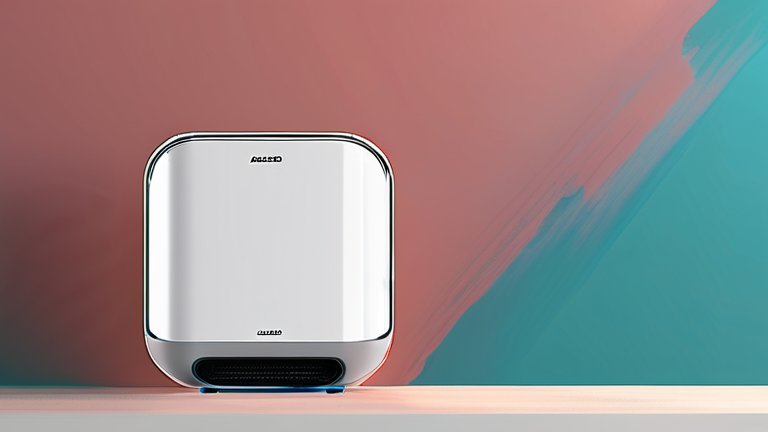
    Ultimate Guide to AeroFlow Pro 3000 Air Purifier

    Ultimate Guide to the AeroFlow Pro 3000 Air Purifier: Features, Benefits & Reviews

    In an era where indoor air quality has become a paramount concern for health-conscious households, finding a reliable air purification system is no longer a luxury—it is a necessity. The market is flooded with options, ranging from basic fan units to sophisticated smart devices, but few have captured the attention of both tech enthusiasts and medical professionals quite like the AeroFlow Pro 3000. This comprehensive review aims to dissect its capabilities, evaluate its real-world performance, and determine if it truly deserves the title of the ultimate air purifier for modern homes.

    Key Features and Design

    At first glance, the AeroFlow Pro 3000 boasts a sleek, minimalist aesthetic that complements any interior decor. However, its true value lies beneath its matte white exterior. The unit is equipped with a four-stage filtration system, beginning with a pre-filter designed to capture large particles like pet hair and lint. This is followed by a True HEPA H13 filter, which is certified to remove 99.97% of airborne particles as small as 0.3 microns, including pollen, dust mites, and mold spores. The final stage utilizes an activated carbon layer to neutralize odors and volatile organic compounds (VOCs).

    If you want to dig deeper, check out our guide on Top 10 Tech Trends Shaping 2024: What You Need to Know.

    One of the standout features is its advanced sensor technology. The integrated laser dust sensor continuously monitors air quality and displays the status on a vibrant, color-coded LED ring. This intuitive interface allows users to instantly gauge the cleanliness of their air without needing to check a complex app. Furthermore, the unit operates in “Sleep Mode,” reducing noise levels to a whisper-quiet 24 decibels, ensuring that your rest remains undisturbed even during the most intense purification cycles.

    Performance and Comparisons

    When compared to competitors like the Blueair Classic 480i or the Dyson Pure Cool TP07

    Related Articles

  • Solid-State Batteries Boost EV Range to 600 Miles

    Solid-State Batteries Boost EV Range to 600 Miles

    Solid-State Batteries Boost EV Range to 600 Miles

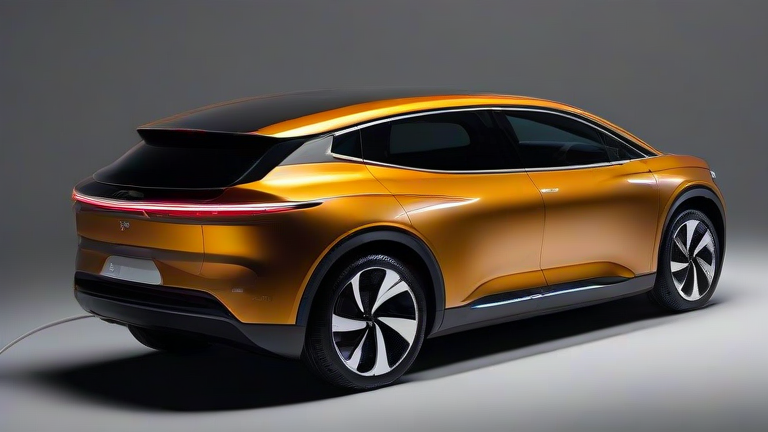
    The electric vehicle industry is standing on the precipice of a revolutionary shift, driven by the rapid maturation of solid-state battery (SSB) technology. This innovation promises to solve the two most persistent pain points for consumers: range anxiety and charging speed. By replacing the liquid electrolyte found in traditional lithium-ion batteries with a solid material, manufacturers can achieve significantly higher energy density. The result is a tangible leap in performance, with next-generation vehicles now projecting a realistic range of 600 miles on a single charge. This milestone is not merely a marketing statistic; it represents a fundamental change in how we perceive electric mobility, effectively bridging the gap between internal combustion engines and sustainable electric transport.

    Market Analysis and Strategic Insights

    From a market perspective, the demand for SSBs is skyrocketing. Analysts predict that the global solid-state battery market will grow at a compound annual growth rate exceeding 40% through 2030. Major automotive conglomerates are no longer treating this as a speculative future technology but as an immediate strategic imperative. The strategic insight here is clear: first-mover advantage is critical. Companies that successfully integrate SSBs into mass-market vehicles will dominate the premium segment while gradually pushing costs down to capture the broader consumer base. Furthermore, the supply chain dynamics are shifting. Unlike traditional lithium-ion batteries, which rely heavily on cobalt and nickel, many SSB designs utilize abundant materials like sulfur or silicon, potentially reducing geopolitical supply risks and production costs over time.

    If you want to dig deeper, check out our guide on Top 5 Design Trends to Watch in 2024.

    Case Studies in Innovation

    Several key players are already translating theory into practice. Toyota has announced plans to launch its first commercial solid-state vehicle by 2027, leveraging proprietary patents to ensure a ten-minute charging time for 600 miles of range. Meanwhile, QuantumScape, in partnership with Volkswagen, has demonstrated prototype cells that retain 80% of their capacity after 1,000 charge cycles, addressing durability concerns that have plagued earlier iterations. These case studies illustrate that while technical hurdles remain, the path to commercialization is becoming increasingly clear. Investors are responding positively

    Related Articles