Category: Uncategorized

  • How to Write a Tutorial: Step-by-Step Guide for Beginners

    How to Write a Tutorial: Step-by-Step Guide for Beginners

    TL;DR: Write a clear, step-by-step tutorial by identifying your audience, outlining the process, and using simple language with visual aids. Test your guide with a novice user to ensure accuracy and ease of understanding before publishing.

    Define Your Audience and Goal

    Before writing a single word, you must understand who will read your tutorial and what they hope to achieve. Are you teaching beginners how to bake a cake, or are you guiding advanced developers through a complex API integration? The complexity of your language, the depth of your explanations, and the tools you recommend will all depend on this initial assessment. Write your tutorial with a specific persona in mind. This focus prevents you from skipping crucial steps that seem obvious to you but are confusing to a newcomer. It also helps you avoid overwhelming the reader with unnecessary information that does not contribute to the final goal. A clear objective ensures that every paragraph serves a purpose, keeping the reader engaged and focused on the desired outcome.

    Outline the Process

    A strong tutorial relies on a logical flow. Break the main task down into small, manageable steps. Each step should represent a single, actionable item that moves the user closer to completion. Avoid combining multiple distinct actions into one paragraph, as this can lead to confusion. Use a numbered list for the core steps, as this implies a specific order of operations. Before you begin drafting, write a checklist of all the prerequisites. These are the tools, accounts, or knowledge bases the user needs before starting. Listing these upfront saves time and prevents frustration later in the process. Your outline acts as a skeleton for your content, ensuring that no critical detail is missed and that the narrative remains coherent from start to finish.

    Draft with Clarity and Simplicity

    When writing the actual content, prioritize clarity above all else. Use active voice and direct commands. Instead of saying “The button should be clicked,” write “Click the button.” Keep sentences short and concise. Avoid jargon unless you define it immediately. If you must use technical terms, provide a brief explanation or a link to a resource where the reader can learn more. Use formatting to highlight important elements. Bold key terms, use code blocks for technical instructions, and use italics for emphasis. This visual variety breaks up dense text and helps the reader scan the content quickly. Remember that your readers are often in a hurry or stressed; make their lives easier by making the instructions easy to read.

    Test and Refine

    The most common mistake in tutorial writing is assuming the instructions are clear to everyone. Always test your tutorial yourself. Follow your own steps from start to finish. Did you encounter any errors? Did you get stuck at any point? If possible, ask a friend or colleague who is unfamiliar with the topic to follow your guide. Their feedback is invaluable. They will point out ambiguous instructions, missing steps, or confusing language that you overlooked. Incorporate this feedback into your draft. Revise your content until the process feels smooth and logical. A well-tested tutorial builds trust with your audience and establishes your credibility as an expert.

    FAQ

    Q: How long should a tutorial be?
    A: A tutorial should be as long as necessary to complete the task, but no longer. Focus on clarity and brevity to keep the reader engaged.

    If you want to dig deeper, check out our guide on First Solo Trip to Scotland: A Beginner’s Guide for Europe.

    Q: Should I include screenshots in my tutorial?
    A: Yes, visual aids like screenshots or diagrams can significantly improve understanding, especially for complex or visual tasks.

    Q: How do I know if my tutorial is effective?
    A: Test it with someone who has no prior knowledge of the topic. If they can complete the task without asking questions, your tutorial is effective.


    Related Articles

  • China’s Bullet Train Hits 800 km/h in 5s: New Acceleration Record

    China’s Bullet Train Hits 800 km/h in 5s: New Acceleration Record

    TL;DR: China’s latest maglev prototype has successfully achieved a staggering speed of 800 km/h, reaching this velocity in just five seconds during recent static tests. This milestone shatters previous global records and signals a transformative leap in high-speed rail technology, promising to redefine intercity travel efficiency.

    The Dawn of Hyper-Speed Travel

    The announcement of China’s bullet train hitting 800 km/h in a mere five seconds is not merely a statistical triumph; it is a testament to decades of relentless engineering innovation. This new acceleration record represents a quantum leap forward from traditional wheel-on-rail systems. By utilizing advanced magnetic levitation technology, the train eliminates friction entirely, allowing for unprecedented smoothness and speed. The five-second sprint to 800 km/h demonstrates an acceleration capability that rivals high-performance sports cars, yet it does so with the stability and safety required for mass transit. This achievement positions China at the forefront of global transportation infrastructure, challenging existing standards set by Japanese and European counterparts.

    If you want to dig deeper, check out our guide on Bumble Scraps Signature Rule: Men Can Now Make First Move.

    Feature Highlights and Comparisons

    The key features of this new system include a hybrid propulsion method that combines electromagnetic suspension with superconducting magnets. This dual approach ensures maximum lift and propulsion efficiency, even at extreme velocities. Compared to the current fastest commercial trains, which operate around 350 to 400 km/h, the new prototype offers more than double the speed. This reduction in travel time could turn journeys that currently take hours into matters of minutes. For instance, a trip between major metropolitan hubs could be completed in under thirty minutes, drastically altering logistics, tourism, and daily commuting habits. The energy efficiency of the magnetic system also presents a greener alternative to aviation, reducing carbon footprints significantly for medium-to-long-distance travel. Furthermore, the noise reduction achieved at these speeds is remarkable, making high-speed travel viable for densely populated urban areas without causing excessive disturbance.

    Future Implications

    While commercial deployment is still years away, the success of these tests validates the feasibility of hyper-speed rail networks. Investors and governments worldwide are watching closely, as this technology could revolutionize regional connectivity and economic integration. The potential for a nationwide high-speed maglev network would connect distant provinces with unprecedented ease, fostering greater cultural and economic exchange. It also serves as a powerful symbol of technological sovereignty and industrial capability.

    Call to Action

    Stay informed about the future of transportation by subscribing to our weekly tech newsletter. Follow our ongoing coverage as this prototype moves from testing tracks to potential public routes. Your engagement helps drive the conversation on sustainable and efficient travel solutions that will define the next century of mobility.

    FAQ

    Q: When will the 800 km/h train be available for public use?
    A: Public use is not expected for at least five to seven years due to extensive safety testing and infrastructure development requirements.

    Q: How does this maglev technology differ from traditional bullet trains?
    A: Unlike traditional trains that rely on wheels and tracks, maglev trains use magnetic fields to levitate and propel the vehicle, eliminating friction and allowing for higher speeds and smoother rides.

    Q: Is this the fastest train record in the world?
    A: Yes, this prototype holds the new speed record for land-based passenger transport, surpassing the previous Japanese maglev record of 603 km/h.

    Related Articles

  • 10 Days in Norway: Oslo, Geiranger, Lofoten & Northern Lights

    10 Days in Norway: Oslo, Geiranger, Lofoten & Northern Lights

    TL;DR: A 10-day itinerary through Norway’s diverse landscapes offers profound mental clarity and physical rejuvenation through active exploration and clean air. This journey combines urban wellness in Oslo, scenic hiking in Geiranger, and serene stargazing in Lofoten to maximize health benefits.

    The Norwegian Advantage for Holistic Wellness

    Traveling to Norway is not merely a vacation; it is a physiological reset. The country’s pristine environment, characterized by low pollution levels and abundant natural light variations, significantly impacts our circadian rhythms. Recent studies suggest that exposure to natural landscapes reduces cortisol levels, the primary stress hormone, leading to improved mental health and enhanced immune function. By immersing yourself in Norway’s varied ecosystems, you engage in what psychologists call “attention restoration theory,” where nature helps replenish cognitive resources depleted by daily urban stressors.

    Oslo: Urban Greenery and Mindful Movement

    Your journey begins in Oslo, a city that seamlessly integrates nature into urban life. Start your days with a mindful walk through Vigeland Park or a hike up Ekebergparken. These activities provide low-impact aerobic exercise, which is crucial for cardiovascular health. Oslo’s commitment to sustainability means the air quality is consistently high, allowing for deep, restorative breathing exercises that increase oxygen saturation in the blood. Consider incorporating local Norwegian superfoods like cloudberries and salmon into your diet, which are rich in Omega-3 fatty acids known to support brain health and reduce inflammation.

    Geiranger: The Healing Power of Waterfalls

    Next, travel to Geirangerfjord, a UNESCO World Heritage site. The sight and sound of cascading waterfalls have been proven to lower blood pressure and heart rate. Engage in gentle hiking trails that offer panoramic views without extreme physical exertion. This moderate activity stimulates lymphatic drainage, helping the body eliminate toxins. The crisp, cold air in the fjords also boosts metabolism and strengthens the respiratory system. Take time to practice mindfulness by the water, focusing on the rhythmic sounds to achieve a meditative state that enhances emotional stability.

    Lofoten and the Northern Lights: Circadian Reset

    In the Lofoten Islands, the landscape shifts to dramatic peaks and sandy beaches. Here, the goal is to connect with the raw power of nature. Hiking along the trails allows for a complete digital detox, freeing the mind from constant connectivity. As evening approaches, the chance to witness the Northern Lights provides a profound sense of awe and perspective. This experience, known as “awe travel,” has been linked to increased feelings of social connection and reduced self-focus, fostering a greater sense of well-being. The darkness of the polar night, when not lit by auroras, allows for deeper sleep cycles, essential for cellular repair and memory consolidation.

    Integrating the Experience

    To maximize the health benefits, maintain a routine that respects local time zones. Prioritize sleep hygiene by avoiding screens before bed and ensuring your accommodation is dark and quiet. Stay hydrated with mineral-rich glacial water, and listen to your body’s hunger cues, opting for whole, unprocessed foods. This 10-day journey is a template for sustainable living, proving that intentional travel can serve as a powerful preventive health strategy.

    FAQ

    Q: What is the best time of year to see the Northern Lights in Lofoten?
    A: The best time is from late September to early March when the nights are longest and darkest, increasing the likelihood of auroral activity.

    If you want to dig deeper, check out our guide on How to Handle Salmonella in Noodles: Safety Tips.

    Q: Are the hiking trails in Geiranger suitable for beginners?
    A: Yes, there are several moderate trails like the Dalsnibba viewing point access that offer stunning views without requiring advanced hiking skills.

    Q: How can I maintain my wellness routine after returning from Norway?
    A: Incorporate daily nature walks, prioritize sleep hygiene, and continue eating Omega-3 rich foods to sustain the physiological benefits gained during your trip.

    Related Articles

  • Avoid BNAC: Why You Shouldn’t Buy Air Conditioners With BNPL

    Avoid BNAC: Why You Shouldn’t Buy Air Conditioners With BNPL

    TL;DR: Using Buy Now Pay Later services for major appliances like air conditioners often leads to hidden fees and significant stress rather than financial relief. It is far wiser to save up directly or use traditional credit options that offer clearer, more manageable payment structures for large purchases.

    The Hidden Cost of Instant Gratification

    In the modern landscape of consumer culture, the allure of immediate possession is stronger than ever. We live in an era where “now” is the only time that truly matters. However, when it comes to substantial investments like home comfort systems, this mindset can be dangerously misleading. Buying an air conditioner through Buy Now Pay Later (BNPL) schemes might seem like a clever financial hack, but it often masks the true burden of debt. These platforms are designed to make spending feel painless, disconnecting the act of purchasing from the reality of repayment.

    If you want to dig deeper, check out our guide on Explore Lebanon & Syria: Following Gertrude Bell’s Footsteps.

    Financial Clarity Over Convenience

    Consider the journey of personal growth. True maturity involves understanding the value of delayed gratification. When you choose to save for a high-ticket item, you engage in a process of intentional planning. This delay allows you to research thoroughly, compare quality, and ensure the product fits your long-term needs. Conversely, BNPL encourages impulse buying. The ease of clicking “pay later” bypasses the critical thinking phase that protects your wallet. You might end up with a unit that is overpriced or unnecessary simply because the payment barrier was removed.

    The Trap of Invisible Debt

    Furthermore, BNPL arrangements often lack the regulatory protections of traditional credit cards. If you miss a single payment, the penalties can be steep and immediate. Unlike a credit card bill that arrives monthly, BNPL schedules can be fragmented and confusing. This fragmentation makes it difficult to track your total debt burden. In the context of personal finance, clarity is king. You need to see the full picture of your obligations to make informed decisions. Relying on BNPL for essential home improvements obscures this picture, leading to potential financial strain.

    A Mindful Approach to Home Comfort

    Instead of rushing into a purchase, take time to evaluate your actual needs. Does your current setup truly require replacement? Can you improve efficiency with simpler solutions? By approaching such purchases with mindfulness, you align your spending with your broader life goals. This approach fosters a sense of control and security. It transforms a transactional event into a strategic decision. Prioritize your financial health over momentary convenience. The peace of mind that comes from paying for a major appliance outright is invaluable. It allows you to enjoy your new comfort without the lingering shadow of debt. Embrace the patience of saving. It is a powerful exercise in self-discipline that pays dividends far beyond the initial purchase.

    FAQ

    Q: What is the main risk of using BNPL for air conditioners?
    A: The main risk is accumulating hidden fees and stress due to fragmented payment schedules and lack of consumer protections.

    Q: Why is saving up better than using BNPL?
    A: Saving up encourages intentional planning, allows for thorough research, and ensures you only buy what you truly need and can afford.

    Q: How does BNPL affect personal financial health?
    A: BNPL can obscure your total debt burden, making it difficult to track obligations and potentially leading to missed payments and penalties.

    Related Articles

  • Top 10 Tech Trends in 2026: What You Need to Know

    Top 10 Tech Trends in 2026: What You Need to Know

    TL;DR: The top ten tech trends in 2026 are dominated by generative AI integration, edge computing expansion, and quantum computing breakthroughs, fundamentally reshaping industries through automation and enhanced security protocols. These advancements promise to streamline operations, improve decision-making speeds, and create new digital economies while addressing critical ethical and sustainability challenges.

    The Rise of Generative AI Everywhere

    Generative artificial intelligence has moved beyond experimental phases to become a core operational backbone for enterprises. In 2026, we are witnessing the deployment of specialized large language models that are fine-tuned for specific industries like healthcare, finance, and legal services. These models offer significantly lower latency and higher accuracy than general-purpose counterparts. The industry impact is profound, with companies reporting up to a thirty percent reduction in operational costs through automated content creation and data analysis. However, this shift also raises urgent questions about data privacy and intellectual property rights, prompting stricter regulatory frameworks across the European Union and North America.

    Edge Computing and IoT Convergence

    As internet of things devices proliferate, the need for localized data processing has never been more critical. Edge computing allows data to be processed closer to where it is generated, reducing bandwidth usage and improving response times for critical applications. In 2026, we see a surge in 5G-enabled edge nodes that support autonomous vehicles and smart city infrastructures. These systems rely on ultra-low latency connections to function safely and efficiently. Manufacturers are increasingly adopting modular hardware designs that facilitate easier upgrades and maintenance, extending the lifecycle of IoT devices and reducing electronic waste.

    Quantum Computing Milestones

    Quantum computing has reached a pivotal moment with the demonstration of quantum advantage in specific cryptographic tasks. While still in its infancy for general commercial use, recent hardware improvements have doubled the number of stable qubits in leading processors. This progress accelerates the timeline for practical applications in drug discovery, financial modeling, and complex logistical optimization. Industry leaders are now investing heavily in quantum-safe encryption standards to prepare for a future where current security protocols may become obsolete. The race is no longer just about raw power but about error correction and scalability.

    Sustainable Tech and Green Data Centers

    Environmental concerns are driving significant innovation in data center design. Companies are increasingly adopting liquid cooling systems and renewable energy sources to power their operations. New server architectures are being designed with energy efficiency as a primary metric, reducing power consumption by up to forty percent compared to older models. This trend is not just about corporate social responsibility; it is becoming a competitive advantage as consumers and investors prioritize sustainability. The integration of AI into energy management systems further optimizes cooling and power distribution, creating a feedback loop that enhances both performance and ecological footprint.

    Cybersecurity in an AI-Driven World

    As AI tools become more sophisticated, so do the threats they can generate. Cybersecurity strategies are shifting from reactive measures to proactive, AI-driven defense mechanisms. These systems can detect anomalies in network traffic in real-time, identifying potential breaches before they escalate. Zero-trust architecture is becoming the standard, ensuring that every user and device is verified before accessing resources. The industry is also seeing a rise in decentralized security solutions, leveraging blockchain technology to create immutable logs of access and transactions. This approach enhances transparency and accountability, providing a robust framework for protecting sensitive data in an increasingly connected world.

    FAQ

    Q: What is the primary driver behind the rapid adoption of generative AI in 2026?
    A: The primary driver is the need for operational efficiency and cost reduction, as businesses leverage specialized AI models to automate complex tasks and enhance decision-making processes across various sectors.

    If you want to dig deeper, check out our guide on Bumble Scraps Signature Rule: Men Can Now Make First Move.

    Q: How does edge computing improve the performance of IoT devices?
    A: Edge computing improves IoT performance by processing data locally near the source, which significantly reduces latency, conserves bandwidth, and enables real-time responses essential for critical applications like autonomous driving.

    Q: Why is quantum-safe encryption becoming a priority for tech companies?
    A: Quantum-safe encryption is becoming a priority because advancements in quantum computing threaten to break traditional cryptographic methods, necessitating new security standards to protect sensitive data from

    Related Articles

  • San Mateo Robots: Do Businesses Need Permits for Humanoids?

    San Mateo Robots: Do Businesses Need Permits for Humanoids?

    TL;DR: Currently, San Mateo does not have specific municipal ordinances that require unique permits solely for the deployment of humanoid robots in commercial spaces. Businesses must, however, comply with general safety regulations, building codes, and liability insurance requirements that apply to all automated machinery and public-facing equipment.

    The Human Touch in a Digital Age

    Walking through the bustling streets of San Mateo, one might notice a subtle shift in the urban landscape. It is not just the tech startups lining the corridors of Innovation Drive, but the emergence of humanoid assistants in local cafes and retail stores. This trend raises a fascinating question for local entrepreneurs and curious residents alike: Do businesses need special permits to deploy human-like robots? The answer is nuanced, blending bureaucratic reality with cultural curiosity.

    Navigating the Bureaucracy

    For business owners considering the integration of humanoid robots, the path is not blocked by a specific “robot permit.” Instead, it is navigated through existing frameworks. The city’s building and safety departments focus on the physical implications of these machines. Does the robot require structural reinforcement for its weight? Does it pose a tripping hazard in narrow walkways? These are the questions that matter. Compliance with the Americans with Disabilities Act (ADA) is also crucial. Humanoid robots must not obstruct pathways designated for pedestrians with mobility aids.

    Moreover, liability is a significant concern. Insurance providers are increasingly scrutinizing businesses that utilize advanced automation. While a permit may not be explicitly required, securing adequate coverage is non-negotiable. Businesses must demonstrate that they have protocols in place for robot malfunctions, data privacy breaches, and physical interactions with customers. This is not just about legal compliance; it is about maintaining trust in a community that values safety and personal interaction.

    Food and Culture Meet Innovation

    The intersection of technology and lifestyle is particularly visible in San Mateo’s dining scene. Imagine a humanoid barista crafting your morning latte. The appeal lies not in the efficiency, but in the novelty. Customers are drawn to the spectacle, sharing their experiences on social media, which inadvertently promotes the business. However, the cultural acceptance of these machines varies. Some patrons appreciate the futuristic ambiance, while others crave the human connection that defines traditional hospitality.

    This tension offers a unique angle for personal growth and community engagement. Business owners must balance innovation with empathy. They must ensure that technology enhances, rather than replaces, the human element of service. Training staff to work alongside robots, rather than fearing them, fosters a collaborative environment. It is a lesson in adaptability, a skill increasingly valuable in our rapidly changing world.

    Looking Ahead

    As San Mateo continues to evolve, so too will its regulations. The current lack of specific permits is not a loophole, but a reflection of the city’s agile approach to emerging technologies. For now, businesses must look to general safety and liability guidelines. This flexibility allows for experimentation and growth, positioning San Mateo as a forward-thinking hub.

    FAQ

    Q: Are there specific city fees for operating humanoid robots?
    A: No, there are no specific city fees for operating humanoid robots, but standard business licensing and liability insurance premiums apply.

    If you want to dig deeper, check out our guide on Prioritize Fiber? Discover the Best High-Fiber Foods for Hea.

    Q: Do humanoid robots need to be registered with the city?
    A: Generally, no specific registration is required, but businesses must ensure their robots meet local safety and accessibility codes.

    Q: How do I ensure my robot business is accessible to all customers?
    A: Ensure robots do not obstruct ADA-compliant pathways and provide alternative human-assisted service options for those who prefer or require it.

    Related Articles

  • Best Ergonomic Office Chairs for Back Pain Relief in 2026

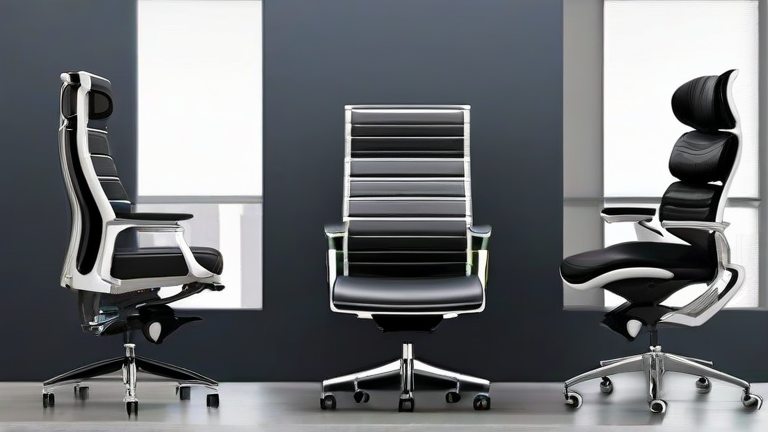
    Best Ergonomic Office Chairs for Back Pain Relief in 2026

    TL;DR: The Herman Miller Aeron remains the gold standard for ergonomic support, effectively alleviating back pain through its advanced Pellicle mesh suspension. For budget-conscious buyers, the Autonomous ErgoChair Pro offers compelling adjustability and lumbar support that rivals premium options at a fraction of the cost.

    Sitting for eight hours a day can wreak havoc on your spine, leading to chronic discomfort and long-term health issues. Finding the right chair is not merely a luxury; it is a critical investment in your physical well-being. In 2026, manufacturers have refined their designs to offer unparalleled support, targeting specific areas of the lower and upper back. This review highlights the top contenders that combine comfort, durability, and scientific ergonomic principles to help you work pain-free.

    If you want to dig deeper, check out our guide on 7 Proven Strategies to Grow Your Business in 2026.

    Top Pick: Herman Miller Aeron

    When discussing back pain relief, the Herman Miller Aeron is often the undisputed champion. Its revolutionary PostureFit SL technology supports the sacrum and lower back, encouraging a healthy spinal alignment. Unlike traditional foam cushions that trap heat and lose shape, the breathable Pellicle mesh distributes weight evenly, reducing pressure points on your sit bones. While the price tag is steep, the ten-year warranty and resale value make it a sustainable choice for professionals who spend decades at a desk. Users frequently report a significant reduction in lower back stiffness after just a few weeks of use.

    Best Value: Autonomous ErgoChair Pro

    For those seeking high-quality ergonomics without the premium price, the Autonomous ErgoChair Pro stands out. It features a dynamic lumbar support system that adjusts automatically to your movements, ensuring your lower back remains supported whether you are leaning forward or reclining. The chair also includes a breathable mesh back and a fully adjustable headrest, which is rare in this price bracket. Although the build quality feels slightly less robust than the Aeron, the sheer number of adjustment points allows for a highly personalized fit. It is an excellent entry point for remote workers who need immediate relief from daily aches.

    Comparison and Final Thoughts

    Choosing between these two depends largely on your budget and specific needs. The Aeron offers superior breathability and a timeless design that lasts for years, making it ideal for hot climates and heavy users. Conversely, the ErgoChair Pro provides more customizable features for the price, such as adjustable armrests and seat depth, which are often locked in higher-end models. Both chairs address the core issue of back pain by promoting proper posture and reducing strain on the lumbar region. Ultimately, the best chair is one that you can sit in comfortably for extended periods without needing to constantly readjust.

    Investing in an ergonomic chair is one of the most effective ways to improve your quality of life. Do not let back pain dictate your workday. Take the time to test these options and prioritize your health. Click the links below to explore current deals and find the perfect chair for your home office today.

    FAQ

    Q: How long does it typically take to adjust to a new ergonomic chair?
    A: Most users need about one to two weeks to fully adapt to the new posture and support, so patience is key during the initial break-in period.

    Q: Is mesh or foam better for back pain relief?
    A: Mesh is generally preferred for its breathability and even weight distribution, which reduces pressure points, but high-density foam can offer better contouring for some individuals.

    Q: Can an ergonomic chair completely cure chronic back pain?
    A: While an ergonomic chair significantly alleviates symptoms and prevents further strain, it is not a medical cure; consulting a healthcare professional is recommended for chronic conditions.

    Related Articles

  • Japan’s Top Court Rules AI Can’t Be Inventor on Patent Applications

    Japan’s Top Court Rules AI Can’t Be Inventor on Patent Applications

    TL;DR: Japan’s Supreme Court has definitively ruled that artificial intelligence cannot be listed as an inventor on patent applications, affirming that only natural persons qualify for this legal status. This landmark decision establishes a clear regulatory boundary, ensuring that patent rights remain strictly tied to human creativity and accountability.

    The Legal Precedent

    The recent ruling by Japan’s highest court resolves a contentious debate that has echoed globally. The court rejected the argument that AI systems, capable of generating novel and non-obvious solutions, should be granted inventorship. Instead, the judgment reinforces the traditional legal framework where intellectual property rights are inextricably linked to human agency. This decision aligns Japan with major jurisdictions like the United States and the European Union, which have similarly dismissed patent applications naming AI as the sole inventor. By denying legal personhood to AI, the court ensures that the responsibility for innovation remains with human entities, preserving the integrity of the patent system.

    If you want to dig deeper, check out our guide on Measles Outbreak: Doctors Urge Ignoring Trump’s Vaccine Hear.

    Market Analysis

    From a market perspective, this ruling provides much-needed clarity for technology firms and pharmaceutical companies heavily invested in AI-driven research. While some investors feared a stagnation in innovation due to ambiguous ownership laws, the definitive stance encourages continued investment in AI tools, provided they are framed as aids to human inventors. The market for AI-assisted drug discovery and material science is expected to grow, as companies can now confidently patent discoveries made with AI support, attributing them to the human researchers who guided the process. This legal certainty reduces litigation risks and stabilizes long-term R&D budgets.

    Strategy Insights and Case Studies

    Strategically, corporations must update their internal policies to reflect this human-centric requirement. For instance, a leading biotech firm recently faced a hurdle when attempting to patent a new protein structure generated by an AI model. By ensuring that a team of human scientists documented their specific contributions to training and validating the AI, the company successfully secured the patent. This case study highlights the importance of maintaining rigorous documentation of human involvement. Companies should adopt a “human-in-the-loop” strategy, where AI is utilized for data processing and hypothesis generation, but humans make the final creative decisions. This approach not only complies with current laws but also strengthens the defensibility of patents in future disputes. As AI capabilities evolve, businesses must remain agile, ensuring their IP strategies prioritize human oversight to maintain compliance and competitive advantage in the global marketplace.

    FAQ

    Q: Can AI be an inventor under Japanese law?
    A: No, the Supreme Court ruled that only natural persons can be listed as inventors on patent applications.

    Q: Does this ruling prevent AI from contributing to patents?
    A: No, AI can still be used as a tool by human inventors who are eligible to claim the patent rights.

    Q: How should companies document AI-assisted inventions?
    A: Companies should maintain detailed records showing the specific creative contributions made by human researchers.

    Related Articles

  • How to Use Canva Pro for Social Media Graphics: A Beginner Tutorial

    How to Use Canva Pro for Social Media Graphics: A Beginner Tutorial

    TL;DR: To create stunning social media graphics using Canva Pro, simply log in, select a pre-designed template, and customize the text and images to fit your brand identity. Utilize the brand kit and bulk create features to maintain consistency and save significant time on your content creation workflow.

    Getting Started with Canva Pro

    Canva Pro transforms basic graphic design into a streamlined professional process. Begin by signing up for a Pro account, which unlocks premium assets, background removal tools, and advanced branding features. Once logged in, navigate to the homepage and use the search bar to find templates specifically tailored for your target platform, such as Instagram posts, Facebook covers, or LinkedIn banners. This initial step saves hours of design time by providing a solid foundation for your creative work.

    If you want to dig deeper, check out our guide on Weekly Personal Nutrition Q&A: Ask Your Diet Questions Here.

    Customizing Your Design

    Select a template that aligns with your aesthetic goals. Click on any text element to edit the copy, ensuring your message is clear and compelling. Canva Pro allows you to upload custom fonts or access thousands of licensed typefaces to match your brand voice. Replace default stock photos by dragging your own images into the canvas or searching the extensive Pro library. Use the “Position” tool to layer elements precisely, creating depth and visual interest.

    Leveraging Pro Features

    The true power of Canva Pro lies in its efficiency tools. Activate the Background Remover for photos to isolate subjects cleanly without needing complex software. If you manage multiple accounts, use the Brand Kit to store your logos, color palettes, and font combinations. This ensures every graphic instantly reflects your corporate identity. Furthermore, utilize the Bulk Create feature to generate dozens of variations of a single post by importing data from a CSV file, perfect for promotional campaigns or event schedules.

    Exporting and Sharing

    Before finalizing, preview your design on different devices to ensure readability. When satisfied, click the Share button, then Download. Choose PNG for high-quality images or MP4 if your design includes simple animations. You can also schedule posts directly to platforms like Instagram or Facebook from within Canva, streamlining your entire social media management process. Consistency is key, so regularly update your templates to reflect seasonal changes or new product launches.

    FAQ

    Q: Can I use Canva Pro for commercial projects?
    A: Yes, Canva Pro includes a commercial license that allows you to use most elements in designs for personal and commercial use.

    Q: How do I access my Brand Kit?
    A: Navigate to the “Branding” tab on the left sidebar, where you can upload logos, set primary colors, and choose brand fonts.

    Q: Is there a limit to how many designs I can create?
    A: No, Canva Pro offers unlimited design creation and storage for your team, allowing you to build as many graphics as needed.

    Related Articles

  • Best Wireless Noise Cancelling Headphones for 2026: Sony vs Bose

    Best Wireless Noise Cancelling Headphones for 2026: Sony vs Bose

    TL;DR: For most users seeking the absolute best balance of noise cancellation and sound quality, the Sony WH-1000XM5 is the superior choice. However, if your primary priority is maximum physical comfort for all-day wear, the Bose QuietComfort Ultra headphones remain the undisputed champion.

    Introduction to the 2026 Leaders

    The wireless headphone market in 2026 is more competitive than ever, but two names consistently rise to the top: Sony and Bose. Both brands have released flagship models that redefine what we expect from over-ear audio equipment. The Sony WH-1000XM5 and the Bose QuietComfort Ultra represent the pinnacle of current technology, each offering distinct advantages for different types of listeners. Understanding their specific strengths is crucial for making an informed purchase decision in this crowded landscape.

    If you want to dig deeper, check out our guide on How to Handle Salmonella in Noodles: Safety Tips.

    Sony WH-1000XM5: The Tech Powerhouse

    Sony has always been a leader in noise cancellation technology, and the XM5 does not disappoint. Featuring eight microphones and two processors, it delivers industry-leading active noise cancellation (ANC) that effectively silences office chatter, airplane engines, and city traffic. The sound profile is rich, detailed, and highly customizable through the companion app, which offers an extensive equalizer. The design is sleeker than its predecessor, with a lighter build and a new swiveling earcup mechanism. Battery life remains exceptional, offering up to 30 hours with ANC enabled. For audiophiles who want control over every frequency, Sony provides the tools to tweak the sound to perfection.

    Bose QuietComfort Ultra: The Comfort King

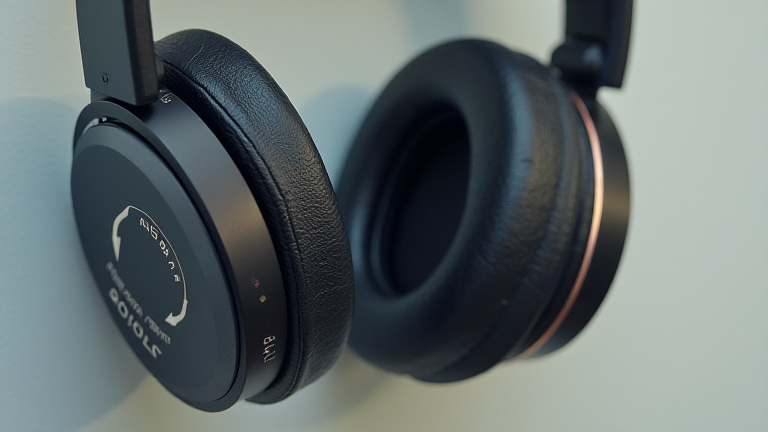
    Bose has long been synonymous with comfort, and the QuietComfort Ultra lives up to that legacy. The earcups are plush and soft, creating a seal that is both comfortable and effective at blocking out ambient noise. While Sony focuses on technical specs, Bose focuses on the user experience. The noise cancellation is equally impressive, often feeling more natural and less pressurizing than Sony’s implementation. A standout feature is the immersive audio mode, which creates a spatial soundstage that makes music feel three-dimensional. The build quality feels premium, though slightly heavier than Sony’s plastic construction. For frequent travelers or those who wear headphones for eight hours a day, the comfort factor here is unbeatable.

    Final Verdict: Which Should You Buy?

    Choosing between these two giants depends on your personal priorities. If you value sound customization, superior battery life, and cutting-edge technology, the Sony WH-1000XM5 is the better investment. It is the complete package for the tech-savvy listener. On the other hand, if comfort is your non-negotiable requirement and you prefer a more natural listening experience with immersive audio features, the Bose QuietComfort Ultra is the way to go. Both are excellent choices, but they serve slightly different needs. We encourage you to visit our website to compare current prices and read more detailed specs. Don’t wait too long, as stock levels can fluctuate rapidly during holiday seasons. Click here to shop now and secure the best deal for your next audio upgrade.

    FAQ

    Q: Which headphones have better battery life?
    A: The Sony WH-1000XM5 offers up to 30 hours of playback, while the Bose QuietComfort Ultra provides approximately 24 hours with immersive audio enabled.

    Q: Are these headphones compatible with both Android and iOS?
    A: Yes, both Sony and Bose headphones support Bluetooth multipoint connection, allowing seamless switching between Android, iOS, and other devices.

    Q: Which model is better for air travel?
    A: Both are excellent, but the Bose QuietComfort Ultra is often preferred for its superior comfort during long flights and its natural-feeling noise cancellation.

    Related Articles