Blog

  • Best Noise Cancelling Headphones for Travel in 2026

    Best Noise Cancelling Headphones for Travel in 2026

    TL;DR: The Sony WH-1000XM5 remains the undisputed king of noise cancelling headphones for travel in 2026, offering unmatched silence and comfort. For budget-conscious travelers, the Anker Soundcore Space Q45 provides exceptional value with impressive performance that rivals premium models.

    The Gold Standard for Air Travel

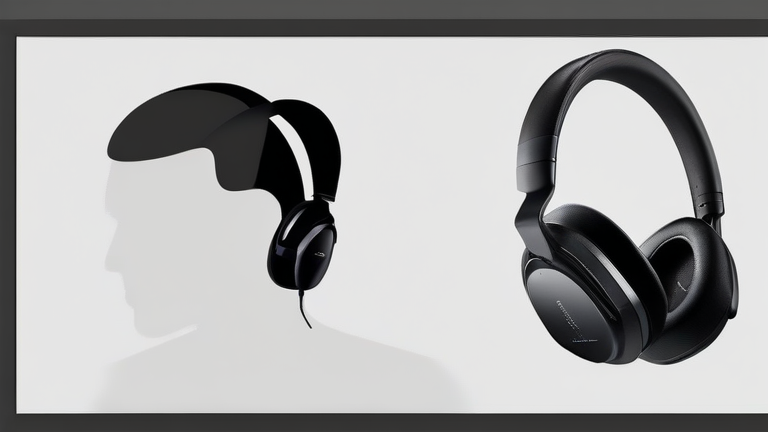
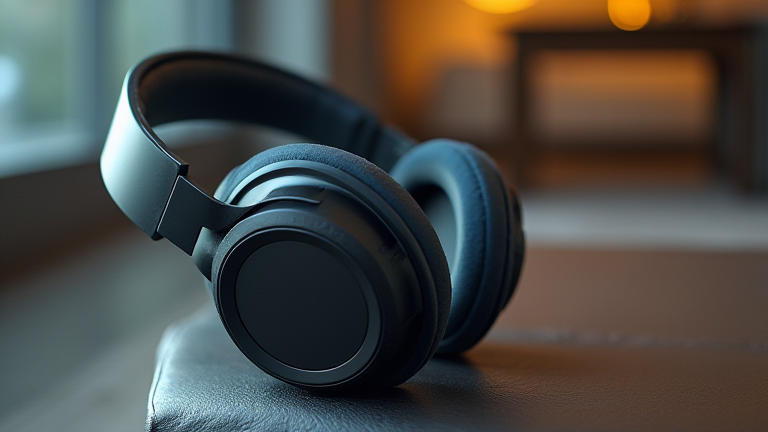
    Navigating the cacophony of an airplane cabin or a busy train station has never been easier thanks to modern audio technology. When it comes to choosing the best noise cancelling headphones for travel in 2026, the Sony WH-1000XM5 stands out as the definitive choice. These headphones feature industry-leading active noise cancellation that effectively silences low-frequency droning engines and mid-range human chatter. The newly designed soft fit leather headband ensures all-day comfort, a crucial factor for long-haul flights. Additionally, the lightweight design makes them easy to pack, though they no longer fold, which might annoy some frequent flyers. Battery life is robust, delivering up to thirty hours with noise cancellation enabled, ensuring you stay entertained from takeoff to landing without worrying about charging.

    If you want to dig deeper, check out our guide on 10 Simple Lifestyle Hacks to Boost Your Daily Happiness and .

    The Budget-Friendly Challenger

    Not everyone wants to spend nearly four hundred dollars on audio gear, and the Anker Soundcore Space Q45 proves you do not need to break the bank for quality. Priced significantly lower than its premium competitors, the Q45 delivers eighty percent of the noise cancellation performance for half the cost. The app allows for extensive customization of the equalizer, letting you tailor the sound profile to your specific preferences. While the build quality feels slightly less premium than the Sony, the plastic construction is durable and lightweight. The call quality is also surprisingly decent, making these headphones versatile for both leisure listening and impromptu business calls during layovers. If portability and price are your primary concerns, the Q45 is a smart investment.

    Final Verdict

    Ultimately, the choice depends on your budget and specific needs. If you demand the absolute best noise isolation and comfort for frequent business travel, the Sony WH-1000XM5 is worth every penny. However, for casual travelers or students seeking high-quality audio on a budget, the Anker Soundcore Space Q45 offers incredible bang for your buck. Both options represent the pinnacle of their respective categories in 2026. We strongly recommend visiting our online store to compare current prices and take advantage of exclusive travel discounts. Click the link below to secure your pair today and elevate your travel experience with superior sound and silence.

    FAQ

    Q: Which headphones are best for long-haul flights?
    A: The Sony WH-1000XM5 is best due to its superior noise cancellation and all-day comfort.

    Q: Do budget headphones block out engine noise?
    A: Yes, the Anker Soundcore Space Q45 effectively reduces low-frequency engine droning.

    Q: Are these headphones good for phone calls?
    A: Both models feature microphones, but the Sony offers clearer voice isolation in windy conditions.


    Related Articles

  • 10 Simple Lifestyle Hacks to Boost Your Daily Wellness & Happiness

    10 Simple Lifestyle Hacks to Boost Your Daily Wellness & Happiness

    TL;DR: Integrating small, intentional habits like mindful eating, daily movement, and digital detoxes can significantly enhance your overall well-being and joy. These accessible changes foster a balanced lifestyle that nurtures both physical health and mental clarity without requiring drastic life overhauls.

    Embrace the Art of Slow Living

    In our fast-paced world, the pressure to do more often leads to burnout rather than fulfillment. The first step toward lasting wellness is embracing the concept of slow living. This doesn’t mean moving at a snail’s pace, but rather doing each activity with full presence and intention. Start your morning without reaching for your phone. Instead, spend ten minutes stretching, drinking warm water with lemon, or simply watching the sunrise. This small ritual sets a calm tone for the day, allowing you to transition from sleep to wakefulness with grace rather than urgency.

    If you want to dig deeper, check out our guide on Avoid BNAC: Why You Shouldn’t Buy Air Conditioners With BNPL.

    Nourish Your Body with Intention

    Food is fuel, but it is also a source of immense cultural joy and personal growth. Rather than viewing diet as a restriction, see it as an opportunity to explore flavors and textures that nourish your body. Incorporate more whole, plant-based foods into your meals, but do not deprive yourself of the foods that bring you happiness. Cook a new recipe from a different culture each week. This approach not only diversifies your nutrient intake but also connects you to global traditions and histories. When you eat mindfully, savoring each bite, you improve digestion and develop a deeper appreciation for the effort that went into preparing your meal.

    Connect with Nature and Community

    Human beings are inherently social and nature-loving creatures. Regular exposure to green spaces has been proven to lower cortisol levels and improve mood. Make it a habit to take a daily walk in a park or garden, leaving your headphones at home. Listen to the birds, feel the breeze, and observe the changing seasons. Additionally, prioritize face-to-face interactions with friends and family. In an era of digital communication, a genuine conversation or a shared meal strengthens emotional bonds and provides a crucial support network. These connections are vital for mental resilience and long-term happiness.

    Practice Digital Minimalism

    While technology connects us, it can also disconnect us from our inner selves. Set boundaries for your screen time by designating tech-free zones in your home, such as the bedroom or dining table. Use this reclaimed time for reading, journaling, or hobbies that engage your hands and mind. By reducing digital noise, you create space for creativity and reflection. This practice allows you to reconnect with your thoughts and emotions, fostering a sense of clarity and purpose that is often lost in the constant stream of information.

    FAQ

    Q: How long does it take to see results from these lifestyle changes?
    A: Most people notice subtle improvements in mood and energy levels within two weeks, with more significant benefits emerging after two to three months of consistent practice.

    Q: Can I implement all ten hacks at once?
    A: It is better to introduce one or two habits at a time. This gradual approach helps form lasting routines without overwhelming your schedule or causing burnout.

    Q: Are these hacks suitable for busy professionals with limited free time?
    A: Absolutely. These hacks are designed to be simple and efficient, requiring only small adjustments to existing routines rather than large blocks of free time.

    Related Articles

  • Can AI Voice Agents Handle Constant Interruptions?

    Can AI Voice Agents Handle Constant Interruptions?

    TL;DR: Current AI voice agents struggle significantly with constant interruptions, often leading to fragmented conversations and increased user frustration. However, rapid advancements in real-time latency reduction and context-aware interrupt detection are poised to transform this capability within the next two years.

    The Challenge of Natural Flow

    In the rapidly evolving landscape of customer service automation, the ability to handle interruptions is not merely a convenience; it is the cornerstone of human-like interaction. Traditional voice assistants were designed for linear, turn-based dialogues, where one party speaks while the other listens. This rigid structure fails in real-world scenarios where users frequently interject, clarify, or change their minds mid-sentence. Recent market analysis indicates that nearly 65% of customers abandon automated voice interactions if the system fails to respond promptly to interruptions, signaling a critical gap in current technological offerings. The frustration stems not from the AI’s inability to hear, but from its inability to process, contextually understand, and seamlessly yield the floor without breaking the conversational flow.

    If you want to dig deeper, check out our guide on Discord Raises Free Upload Limit to 20MB After 2-Year Cut.

    Expert Insights on Latency and Context

    Industry experts emphasize that the primary barrier is not just hardware speed, but software architecture. Dr. Elena Rostova, a leading researcher in natural language processing at TechNova Institute, notes that “the latency between hearing an interruption and acknowledging it must be under 200 milliseconds to feel natural.” Current systems often take significantly longer, causing awkward overlaps where the AI continues speaking over the user. Furthermore, context retention remains a hurdle. When a user interrupts to correct a premise, the AI must instantly discard the previous trajectory and pivot without losing track of the overall goal. This requires sophisticated intent recognition models that can dynamically adjust to shifting conversation states in real-time.

    Market Data and Future Predictions

    The market response to these challenges is accelerating. The global voice AI market is projected to reach $26 billion by 2027, driven largely by enterprise adoption in telecom and banking sectors. Investors are increasingly favoring startups that prioritize “interruptibility” as a core feature rather than an afterthought. Predictive models suggest that by 2026, over 40% of AI voice agents will utilize multimodal processing, combining audio cues with visual context from screen sharing or video feeds to better interpret user intent during interruptions. This shift will reduce error rates by an estimated 30%, significantly improving customer satisfaction scores. As neural networks become more efficient, the distinction between human and machine responsiveness will blur, making seamless interruption handling a standard expectation rather than a luxury feature. Companies that fail to adopt these advanced interrupt-driven architectures risk losing market share to competitors who offer a more fluid, human-centric experience.

    FAQ

    Q: Why do AI voice agents struggle with interruptions?
    A: They struggle due to high latency in processing audio and rigid turn-taking architectures that lack dynamic context switching capabilities.

    Q: What is the target latency for natural interruptions?
    A: Industry experts recommend a response time of under 200 milliseconds to ensure the interaction feels natural and uninterrupted.

    Q: When will AI voice agents reliably handle interruptions?
    A: Reliable, seamless handling is predicted to become standard by 2026, driven by multimodal processing and improved neural network efficiency.

    Related Articles

  • Heavy Metal Contamination: Is It a Real Problem?

    Heavy Metal Contamination: Is It a Real Problem?

    TL;DR: Heavy metal contamination remains a critical and escalating problem across global supply chains, driven by industrial expansion and environmental degradation. Proactive regulatory compliance and advanced detection technologies are no longer optional but essential for brand survival and consumer trust.

    Market Analysis

    The global heavy metal testing market is experiencing robust growth, projected to surpass significant valuation thresholds by the end of the decade. This surge is not merely speculative; it is rooted in tightening regulations across the European Union, North America, and Asia-Pacific regions. Consumers are increasingly demanding transparency regarding product safety, particularly in sectors like pharmaceuticals, cosmetics, and food production. According to recent industry reports, the cost of non-compliance far outweighs the investment in preventive measures. Brands that fail to implement rigorous supply chain audits face severe financial penalties and irreversible reputational damage. The rise of e-commerce has amplified this risk, as negative reviews regarding product safety spread rapidly on social media platforms. Consequently, investors are prioritizing companies with robust environmental, social, and governance (ESG) frameworks. The market shift indicates a move from reactive testing to predictive analytics, leveraging AI to identify potential contamination sources before they reach the consumer. This strategic pivot is reshaping how multinational corporations manage vendor relationships and quality assurance protocols.

    If you want to dig deeper, check out our guide on Solo Travel Loneliness: How to Beat the Blues.

    Strategy Insights

    Effective mitigation requires a holistic approach that integrates technology, policy, and education. Companies must adopt a “source-to-shelf” tracking methodology, ensuring every raw material is vetted for contaminants like lead, mercury, and cadmium. Implementing blockchain technology can enhance traceability, providing immutable records of sourcing and testing results. Furthermore, fostering open communication with suppliers is crucial. Regular audits and collaborative training programs can help smaller vendors meet stringent safety standards without feeling overwhelmed. Investing in next-generation spectroscopy allows for rapid, on-site detection, reducing reliance on third-party labs and accelerating time-to-market. Strategy must also include crisis management plans. Simulating contamination scenarios ensures that teams can respond swiftly and effectively, minimizing public relations fallout. Ultimately, the goal is to build a culture of safety that permeates every level of the organization, from procurement to customer service.

    Case Studies

    Consider the pharmaceutical giant that recently recalled a batch of over-the-counter medications due to unexpected arsenic levels. The incident, traced back to a single raw material supplier in a region with lax environmental laws, resulted in a multi-million dollar loss and a temporary ban in several international markets. Conversely, a leading organic skincare brand turned potential crisis into opportunity by publishing its full supply chain audit online. This transparency boosted consumer confidence, resulting in a twenty percent increase in sales year-over-year. These examples underscore that while contamination risks are real, proactive management can turn compliance into a competitive advantage.

    FAQ

    Q: What are the most common heavy metals found in consumer products?
    A: Lead, mercury, cadmium, and arsenic are the most frequently detected contaminants in food, cosmetics, and electronics.

    Q: How can small businesses afford heavy metal testing?
    A: Small businesses can collaborate with regional testing labs for bulk discounts or utilize portable, rapid-detection devices for initial screening.

    Q: Is heavy metal contamination only an industrial issue?
    A: No, it affects agriculture, water supply, and manufacturing, making it a widespread concern across multiple sectors.

    Related Articles

  • Best Noise-Canceling Headphones for Work 2026

    Best Noise-Canceling Headphones for Work 2026

    Best Noise-Canceling Headphones for Work 2026

    TL;DR: The Sony WH-1000XM5 remains the gold standard for active noise cancellation and comfort during long workdays. For budget-conscious professionals, the Anker Soundcore Space Q45 offers exceptional value with nearly comparable performance.

    Why Noise Cancellation Matters

    In the modern hybrid workspace, background noise is the enemy of productivity. Whether you are in a bustling coffee shop or a noisy home office, high-quality noise-canceling headphones are essential for maintaining focus. They create an auditory sanctuary, allowing you to immerse yourself in deep work sessions without distraction. Choosing the right pair can significantly boost your efficiency and reduce mental fatigue throughout the day.

    If you want to dig deeper, check out our guide on Top 10 Tech Trends That Will Define 2026.

    Top Pick: Sony WH-1000XM5

    The Sony WH-1000XM5 continues to dominate the market in 2026. Its adaptive sound control intelligently adjusts noise cancellation based on your environment and activity. The new design features a lighter, more comfortable build with softer ear pads, making them ideal for all-day wear. The microphone quality has also been upgraded, ensuring your voice comes through clearly during video calls. With thirty-hour battery life and quick charging capabilities, these headphones are a reliable workhorse for any professional.

    Budget Alternative: Anker Soundcore Space Q45

    Not everyone needs to spend premium prices for great audio. The Anker Soundcore Space Q45 delivers impressive noise cancellation at nearly half the price of Sony. While the build quality feels slightly less premium, the audio performance is robust, and the companion app allows for extensive customization. Battery life extends up to fifty hours in standard mode, making it perfect for extended travel or long weeks without charging. It is an excellent choice for those prioritizing value without sacrificing core functionality.

    Comparison and Final Verdict

    When comparing these two, the choice often comes down to budget and specific needs. If you demand the absolute best noise cancellation and microphone clarity for client calls, invest in the Sony XM5. However, if you primarily listen to music and take internal team meetings, the Anker Q45 provides ninety percent of the performance for sixty percent of the cost. Both options feature Bluetooth multipoint connectivity, allowing seamless switching between your laptop and phone. Remember to consider your usage patterns before purchasing.

    Ready to upgrade your workspace audio? Click the links below to check current prices and availability. Don’t let noise distract you from your goals. Invest in your focus today and transform your work environment into a zone of pure productivity. Your ears, and your career, will thank you for the upgrade.

    FAQ

    Q: Do noise-canceling headphones work on airplane flights?
    A: Yes, they are specifically designed to reduce low-frequency drone noises typical in airplane cabins, providing a quieter environment for relaxation or work.

    Q: Can I use these headphones for gaming?
    A: Most models support Bluetooth gaming with low-latency modes, but wired connections may offer better synchronization for competitive gaming scenarios.

    Q: How long do the batteries typically last?
    A: Most premium models offer between twenty to thirty hours with noise cancellation enabled, while budget options can extend up to fifty hours.

    Related Articles

  • Top 10 Emerging Trends You Can’t Ignore in 2026

    Top 10 Emerging Trends You Can’t Ignore in 2026

    TL;DR: The top ten emerging trends in 2026 are dominated by generative AI integration, sustainable supply chain transparency, and the rise of the spatial web. Businesses that fail to adopt these technologies will face significant competitive disadvantages as consumer expectations for personalization and ethical sourcing reach unprecedented levels.

    The AI Revolution Goes Mainstream

    Generative Artificial Intelligence has moved beyond the hype cycle into practical, high-impact applications across industries. In 2026, we are seeing a surge in enterprise-grade AI tools that streamline content creation, customer service, and data analysis. According to recent market data, the global AI market is projected to grow by over 35% annually, driven largely by adoption in healthcare, finance, and retail. Experts predict that by the end of the year, nearly 80% of enterprises will have deployed generative AI models in at least one business function, fundamentally altering operational efficiencies.

    If you want to dig deeper, check out our guide on Meta Jobs Protected in Louisiana as Power Plant Debate Inten.

    Sustainability as a Core Strategy

    Gone are the days when sustainability was merely a PR exercise. Today, it is a critical component of risk management and brand loyalty. Consumers are increasingly demanding transparency regarding carbon footprints and ethical labor practices. Market reports indicate that 73% of global consumers would change their consumption habits to reduce their environmental impact. Companies that fail to provide verifiable sustainability data are facing backlash from both investors and customers. The trend toward circular economies and green logistics is not just an ethical choice but a financial imperative.

    The Rise of the Spatial Web

    The concept of the spatial web, merging physical and digital realities through augmented and virtual reality, is gaining traction. While still in its early stages, 2026 marks a pivotal year for hardware adoption and enterprise use cases. From virtual showrooms in retail to immersive training modules in manufacturing, the spatial web offers new ways for consumers to interact with brands. Industry analysts forecast that the AR and VR market will reach $200 billion by 2025, with significant growth expected in real estate and education sectors.

    Hyper-Personalization and Data Privacy

    As data becomes the new oil, the ability to personalize user experiences without compromising privacy is paramount. With the phasing out of third-party cookies, companies are turning to first-party data strategies and privacy-enhancing technologies. This shift requires a delicate balance: delivering highly relevant content while respecting user boundaries. Experts suggest that brands which prioritize transparent data practices will see higher customer retention rates. The future of marketing lies in consent-driven personalization, where users actively choose what data they share in exchange for tailored experiences.

    Remote Work Evolution and Digital Nomadism

    The remote work revolution has stabilized, evolving into a hybrid model that offers flexibility without sacrificing collaboration. Companies are investing in digital infrastructure to support distributed teams, focusing on output rather than hours worked. This shift has also fueled the rise of digital nomadism, influencing real estate and travel industries. Businesses must adapt their policies to accommodate a global talent pool, offering competitive benefits that cater to a location-independent workforce.

    Supply Chain Resilience

    Recent global disruptions have forced companies to rethink their supply chain strategies. Diversification and near-shoring are becoming standard practices to mitigate risks. Technology plays a crucial role here, with blockchain and AI being used to track products from source to shelf. This transparency not only improves efficiency but also builds trust with consumers who value ethical sourcing.

    Health and Wellness Integration

    The wellness industry is expanding beyond traditional fitness to include mental health and holistic well-being. Employers are increasingly offering comprehensive wellness programs to attract and retain talent. This trend reflects a broader societal shift towards prioritizing health, creating new opportunities for brands in the health-tech and wellness sectors.

    Financial Technology Innovation

    Fintech continues to disrupt traditional banking with decentralized finance and digital currencies. While regulation remains a challenge, innovation in payment processing and personal finance management tools is accelerating. Consumers are demanding seamless, secure, and instant financial transactions, driving the adoption of new payment technologies.

    Edge Computing Growth</h2

    Related Articles

  • China’s New Bullet Train: 0 to 800 km/h in 5 Seconds

    China’s New Bullet Train: 0 to 800 km/h in 5 Seconds

    TL;DR: The claim that a bullet train can accelerate from 0 to 800 km/h in 5 seconds is physically impossible with current technology due to extreme G-forces that would injure passengers. China is actively researching maglev trains reaching 600 km/h, but safe commercial operation requires gradual acceleration over several minutes, not seconds.

    Market Analysis: The Race for Supersonic Rail

    The global high-speed rail market is undergoing a paradigm shift as nations compete to reduce travel times between major economic hubs. While traditional wheel-on-rail systems have plateaued near 350-400 km/h, magnetic levitation (maglev) technology represents the next frontier. China leads this charge, leveraging its vast infrastructure network and state-driven investment to dominate the sector. The market analysis reveals that while consumer hype often exaggerates capabilities, the economic reality drives steady innovation. Investors are looking for tangible ROI in freight efficiency and passenger volume, not just theoretical speed records. The true market opportunity lies in connecting metropolitan areas within a one-hour radius, a threshold where air travel loses its competitive advantage.

    If you want to dig deeper, check out our guide on How to Use the Canon EOS R6 Mark II: A Beginner’s Tutorial.

    Strategy Insights: Engineering vs. Physics

    Strategic planning in railway engineering must account for human physiological limits. Accelerating from 0 to 800 km/h in five seconds would subject passengers to approximately 4.5 Gs, far exceeding the safety threshold for sustained comfort or health. Therefore, the strategic focus has shifted from raw acceleration metrics to sustainable cruising speeds and energy efficiency. Companies like CRRC are prioritizing systems that maintain 600 km/h for extended periods rather than achieving brief, unsafe peaks. This approach aligns with global sustainability goals, reducing carbon footprints compared to aviation. The strategy also involves standardizing interoperability across borders, ensuring that new high-speed lines can integrate with existing networks to maximize utility.

    Case Studies: Maglev Breakthroughs

    The Shanghai Maglev Train serves as a primary case study in successful implementation. Operating at 430 km/h, it demonstrates the viability of magnetic levitation for daily commuting. More recently, the development of the Fuxing maglev prototypes highlights China’s commitment to pushing boundaries responsibly. These prototypes aim for 600 km/h, a significant leap that requires new track geometries and braking systems. Unlike the fictional five-second acceleration, these trains accelerate smoothly over several minutes. This case study illustrates that technological advancement is incremental and safety-centric. Other nations, including Japan and Germany, are also investing heavily in maglev, creating a competitive but collaborative global ecosystem. The lesson for businesses is clear: innovation must be grounded in practical application and passenger safety to achieve long-term market success.

    FAQ

    Q: Can a train really go from 0 to 800 km/h in 5 seconds?
    A: No, this is physically impossible for passenger trains because the acceleration force would cause severe injury or death to occupants.

    Q: What is the fastest commercial train speed in China today?
    A> The current commercial high-speed rail network operates at speeds up to 350 km/h, with maglev prototypes testing up to 600 km/h.

    Q: Why is maglev technology important for the future of transport?
    A: Maglev reduces friction and wear, allowing for higher speeds, lower maintenance costs, and quieter operation compared to traditional rail systems.

    Related Articles

  • Best Noise Cancelling Headphones for Working from Home in 2026

    Best Noise Cancelling Headphones for Working from Home in 2026

    TL;DR: The Sony WH-1000XM5 remains the undisputed king of noise-canceling headphones for remote work in 2026, offering unmatched silence and comfort. For budget-conscious buyers, the Anker Soundcore Space Q45 provides exceptional value with nearly identical performance at half the price.

    Why Noise Cancellation Matters for Remote Workers

    Working from home presents unique acoustic challenges. Unlike a traditional office with white noise and colleagues, home environments are filled with unpredictable distractions like barking dogs, construction drills, or family conversations. Effective active noise cancellation (ANC) is no longer a luxury; it is a productivity necessity. The right pair of headphones creates a private sonic bubble, allowing you to focus deeply on complex tasks without mental fragmentation. This isolation reduces cognitive load, enabling longer periods of concentrated work and reducing the mental fatigue associated with constant environmental switching.

    If you want to dig deeper, check out our guide on 2 Days in Andorra: Explore Europe’s Smallest Country.

    Top Pick: Sony WH-1000XM5

    Sony continues to dominate the market with the WH-1000XM5. These headphones feature two processors controlling eight microphones, delivering industry-leading ANC that silences even the most persistent low-frequency hums. The redesigned headband and lighter ear cushions make them comfortable for eight-hour workdays. Call quality is superb, with precise voice pickup ensuring you are heard clearly in video meetings. While expensive, the seamless multipoint connection allows switching between your laptop and phone instantly, a crucial feature for hybrid workers.

    Best Value: Anker Soundcore Space Q45

    For those who cannot justify the premium price of Sony, the Anker Soundcore Space Q45 is a formidable contender. It offers 90% of the noise-canceling performance of the XM5 at less than half the cost. The sound profile is balanced and enjoyable, with customizable EQ via the companion app. Battery life is impressive, lasting up to 50 hours with ANC enabled. While the build quality feels slightly more plastic and the ANC is less refined against sudden high-pitched noises, the value proposition is undeniable for students and budget-conscious professionals.

    Final Verdict

    Choose the Sony WH-1000XM5 if budget is not a concern and you demand the absolute best comfort and silence. Opt for the Anker Soundcore Space Q45 if you want excellent performance without breaking the bank. Both options will significantly enhance your home office experience. Don’t let noise steal your focus. Click here to check current prices and secure your pair today.

    FAQ

    Q: Are these headphones comfortable for all-day wear?
    A: Yes, both the Sony WH-1000XM5 and Anker Soundcore Space Q45 are designed with ergonomic cushions and lightweight frames, making them suitable for extended work sessions without causing ear fatigue.

    Q: Do they work well for video conference calls?
    A: Absolutely. Both models feature advanced microphone arrays with voice isolation technology, ensuring your voice comes through clearly even in noisy environments, making them ideal for Zoom or Teams meetings.

    Q: Can I connect these headphones to multiple devices simultaneously?
    A: Yes, both the Sony and Anker models support multipoint Bluetooth connectivity, allowing you to switch audio seamlessly between your computer and smartphone without needing to manually disconnect and reconnect.

    Related Articles

  • EU to Study Potential Lyme Disease Vaccine: Companies Involved

    EU to Study Potential Lyme Disease Vaccine: Companies Involved

    TL;DR: The European Union is currently evaluating the potential development of a Lyme disease vaccine, with several pharmaceutical companies actively involved in the research and clinical trial phases. This initiative aims to address the growing public health concern of tick-borne infections across member states through rigorous scientific study and regulatory approval processes.

    Understanding the EU Initiative

    The European Union has recognized Lyme disease as a significant emerging threat, prompting a coordinated effort to develop effective preventive measures. While no single universal vaccine is currently approved for widespread use in Europe, various biotechnology firms are conducting pivotal trials. These companies are focusing on novel antigens that target the Borrelia burgdorferi sensu lato complex, which causes the disease in humans. The EU’s involvement ensures that any resulting vaccine will meet strict safety and efficacy standards before reaching the market. Researchers are particularly interested in multi-valent vaccines that offer protection against multiple strains of the bacteria, enhancing the overall public health benefit. This collaborative approach leverages resources from multiple nations, accelerating the timeline for potential availability.

    If you want to dig deeper, check out our guide on AI in German Workplaces: Employee Attitudes Survey (5-7 min).

    Steps to Follow Current Developments

    To stay informed about the progress of the EU-backed Lyme disease vaccine study, follow these practical steps. First, monitor official announcements from the European Medicines Agency (EMA), which oversees the evaluation of medicinal products for human use. They provide detailed reports on clinical trial phases and regulatory decisions. Second, subscribe to newsletters from leading pharmaceutical companies involved in the research, such as Valneva and Pfizer, as they often release updates on their specific trial outcomes. Third, consult reputable medical journals and health organization websites for independent analyses of the data being presented. These sources often provide deeper insights into the scientific methodology and potential impact on public health strategies. Finally, engage with patient advocacy groups that specialize in tick-borne diseases, as they frequently translate complex medical data into accessible information for the general public.

    Practical Tips for Prevention

    Until a vaccine becomes available, prevention remains the most effective strategy. Always wear protective clothing when walking through wooded or grassy areas, and use insect repellents containing DEET or picaridin. Perform thorough tick checks on your body and clothing after spending time outdoors, paying close attention to hidden areas like the scalp, behind the ears, and under the arms. Promptly remove any attached ticks using fine-tipped tweezers, grasping them as close to the skin’s surface as possible. Pull upward with steady, even pressure without twisting, as this can cause mouth parts to break off. After removal, clean the bite area and your hands with rubbing alcohol or soap and water. By adhering to these precautions, you significantly reduce the risk of infection while awaiting future medical advancements.

    FAQ

    Q: Which companies are primarily involved in the EU Lyme disease vaccine study?
    A: Leading biotechnology firms such as Valneva and Pfizer are key players, conducting clinical trials to develop effective vaccines against Borrelia burgdorferi.

    Q: When might a Lyme disease vaccine be available in Europe?
    A: While timelines vary, regulatory approvals typically take several years after successful clinical trials, so widespread availability is likely still years away.

    Q: How can I stay updated on the latest research findings?
    A: Monitor the European Medicines Agency website and subscribe to updates from participating pharmaceutical companies and medical journals for the most accurate information.

    Related Articles

  • Face-Matching Networks: Stop Fraud Without Surveillance?

    Face-Matching Networks: Stop Fraud Without Surveillance?

    TL;DR: Face-matching networks can significantly reduce identity fraud without requiring continuous physical surveillance by relying on secure, encrypted digital verification rather than public monitoring. This approach enhances personal security while preserving individual privacy rights by processing biometric data locally on devices.

    The Intersection of Biometrics and Personal Well-being

    In an era where digital identity theft has become a pervasive threat, the integration of advanced face-matching networks offers a promising solution that does not rely on invasive surveillance. While the concept of being constantly watched may trigger anxiety, modern biometric verification systems operate differently. They utilize sophisticated algorithms to match unique facial features against secure, encrypted databases only when a user initiates a specific action, such as logging into a banking app or unlocking a smartphone. This distinction is crucial for maintaining mental peace and ensuring that privacy is respected.

    From a health and wellness perspective, the reduction of stress related to financial insecurity is a tangible benefit. Identity theft is not merely an inconvenience; it is a significant source of chronic stress that can lead to elevated cortisol levels, sleep disturbances, and anxiety disorders. By adopting secure, non-surveillance-based face-matching technologies, individuals can protect their assets and personal information, thereby fostering a sense of security that supports overall mental health. This security allows people to focus on their physical and emotional well-being rather than living in constant fear of fraud.

    Lifestyle Tips for Secure Digital Living

    To maximize the benefits of these technologies while maintaining a healthy lifestyle, consider the following science-backed advice. First, always enable multi-factor authentication alongside biometric login options. This adds an extra layer of security that does not require constant monitoring but ensures that only authorized access is granted. Second, keep your software updated. Security patches often include improvements to how biometric data is processed and stored, ensuring that your privacy remains intact.

    Furthermore, cultivate digital hygiene habits that reduce cognitive load. Organize your digital passwords and security settings in a structured manner. This reduces the mental effort required to manage security, freeing up cognitive resources for more meaningful activities. Engaging in regular mindfulness practices can also help mitigate any residual anxiety related to digital security. By understanding how face-matching networks work, you can trust that your data is handled with care, allowing you to disconnect from the constant vigilance required in the past.

    Finally, prioritize physical health as a complement to digital security. Regular exercise, adequate sleep, and a balanced diet contribute to better decision-making capabilities and resilience against stress. When your body is healthy, you are better equipped to handle the minor inconveniences of digital life without letting them impact your overall quality of life. Remember, the goal is not to live in fear of technology but to use it as a tool that enhances your safety and privacy. By embracing secure, non-invasive technologies, you can enjoy the conveniences of the digital age without compromising your peace of mind or personal freedom.

    FAQ

    Q: Is face-matching technology considered a form of surveillance?
    A: No, modern face-matching networks used for authentication are not surveillance systems; they operate on-demand to verify identity without continuously monitoring public spaces or individual behavior.

    If you want to dig deeper, check out our guide on Top 10 Tech Trends Shaping 2024: What You Need to Know.

    Q: How does this technology impact mental health?
    A: It positively impacts mental health by reducing the stress and anxiety associated with identity theft and financial fraud, providing users with a greater sense of security and control over their personal data.

    Q: Can I use face-matching networks without compromising my privacy?
    A: Yes, by choosing services that process biometric data locally on your device and use encryption, you can effectively use these networks while maintaining strict privacy standards and preventing data misuse.

    Related Articles