Blog

  • Quantum Computing Hits Commercial Viability: What This Means for Business

    Quantum Computing Hits Commercial Viability: What This Means for Business

    Quantum Computing Hits Commercial Viability: What This Means for Business

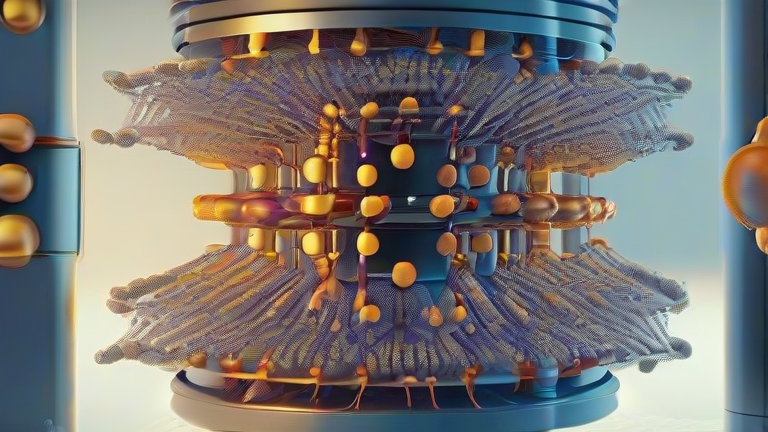
    Modern data center with quantum computing hardware

    For decades, quantum computing existed largely as a theoretical curiosity confined to university laboratories and the R&D departments of tech giants. However, the technological landscape has shifted dramatically in the last twenty-four months. We have officially crossed the threshold from experimental physics to commercial viability. This milestone is not merely a technical achievement; it represents a fundamental economic inflection point that will redefine competitive advantage across multiple industries. The ability to process complex variables exponentially faster than classical supercomputers is no longer a futuristic promise but an accessible tool for forward-thinking enterprises.

    Market Analysis: A Rapidly Expanding Ecosystem

    The global quantum computing market is projected to reach $65 billion by 2030, growing at a compound annual growth rate (CAGR) of over 29%. This explosive growth is driven by early adopters in pharmaceuticals, financial services, and logistics. Unlike the cloud computing revolution of the early 2000s, which was driven by cost savings, the quantum revolution is driven by capability. Companies are no longer asking if they can afford to experiment with quantum algorithms; they are asking how quickly they can integrate them to solve problems previously deemed unsolvable. The barrier to entry has lowered significantly through Quantum-as-a-Service (QaaS) platforms, allowing mid-sized firms to access powerful quantum processors via the cloud without the prohibitive cost of building their own dilution refrigeration systems.

    Strategic Insights: Building Quantum-Ready Organizations

    To capitalize on this shift, businesses must adopt a dual-track strategy. First, organizations must invest in talent acquisition and upskilling. The shortage of quantum-literate data scientists is acute, and companies that fail to build internal expertise will remain dependent on external vendors, losing strategic agility. Second, firms must identify high-value use cases where quantum advantage is tangible. This involves mapping current operational bottlenecks—such as portfolio optimization in finance or molecular simulation in drug discovery—to specific quantum algorithms like QAOA (Quantum Approximate Optimization Algorithm) or VQE (Variational Quantum Eigensolver). Leadership must foster a culture of experimentation, accepting that early quantum applications will be hybrid, combining


    Related Articles

  • Top 5 Emerging Trends You Need to Know in 2026

    Top 5 Emerging Trends You Need to Know in 2026

    Top 5 Emerging Trends You Need to Know in 2026

    The global business landscape in 2026 is being reshaped by a convergence of technological breakthroughs, shifting consumer behaviors, and urgent environmental imperatives. As companies navigate an era of uncertainty, identifying and adapting to key industry trends is no longer optional—it is a survival mechanism. From the explosion of generative AI to the radical transparency demanded by conscious consumers, here are the five critical trends defining this year.

    First, Artificial Intelligence has moved beyond the hype cycle into practical application. Generative AI is not just a novelty; it is a productivity engine. According to recent market data, the global AI market is projected to reach $190.6 billion by 2025, growing at a CAGR of 37.3%. Industry leaders report that integrating AI into customer service and content creation has reduced operational costs by up to 30%. However, experts warn that the real challenge lies in governance and ethical deployment, urging businesses to prioritize AI literacy among their workforce to avoid algorithmic bias and data privacy breaches.

    If you want to dig deeper, check out our guide on Personalized Nutrition: Real-Time Gut Biome Analysis.

    Second, sustainability has evolved from a corporate social responsibility checkbox to a core financial driver. The “green economy” is gaining momentum, with ESG (Environmental, Social, and Governance) investing now accounting for over $35 trillion in assets. Consumers, particularly Gen Z and Millennials, are willing to pay a premium for sustainable products. Future predictions suggest that by 2026, 60% of Fortune 500 companies will have net-zero commitments backed by transparent, auditable data. Companies failing to adapt to this demand risk significant reputational damage and loss of market share.

    Third, the hybrid work model is maturing into a structured “flexible-first” culture. While remote work numbers have stabilized, the focus has shifted from *where* people work to *how* they collaborate effectively. Digital twin technology and advanced project management tools are bridging the gap between remote and in-office teams. HR experts predict that by the end of 2026, over 75% of knowledge workers will operate under some

    Related Articles

  • How Quantum Computing Solves Drug Discovery Hurdles

    How Quantum Computing Solves Drug Discovery Hurdles

    How Quantum Computing Solves Drug Discovery Hurdles

    The pharmaceutical industry faces a monumental challenge: the traditional methods of drug discovery are slow, expensive, and often inaccurate. Simulating molecular interactions on classical computers is computationally prohibitive because the complexity of quantum mechanical systems grows exponentially with the number of particles. This is where quantum computing enters the arena, offering a revolutionary approach to solving these hurdles. By leveraging the principles of superposition and entanglement, quantum computers can simulate molecular structures with unprecedented precision. This guide outlines how researchers and developers can begin to harness this power to accelerate the discovery of life-saving medications.

    Step 1: Understand the Quantum Advantage

    Before writing code, you must grasp why quantum mechanics matters here. Classical computers use bits that are either 0 or 1. Quantum computers use qubits, which can exist in a state of 0, 1, or both simultaneously. This allows them to explore multiple potential molecular configurations at once. When simulating a protein folding or a drug binding to a receptor, the quantum computer evaluates the energy states of the system directly, rather than approximating them. This direct simulation reduces the time required for initial screening from years to potentially days or hours.

    Step 2: Select the Right Quantum Algorithm

    Not all algorithms are created equal for drug discovery. The Variational Quantum Eigensolver (VQE) is currently the most prominent algorithm for this task. VQE is designed to find the ground state energy of molecular Hamiltonians. To use it, you must first translate your chemical problem into a mathematical format that the quantum computer can understand. This involves mapping molecular orbitals to qubits using techniques like the Jordan-Wigner or Bravyi-Kitaev transformation. Start with small molecules, such as lithium hydride or caffeine, to test your setup before moving to complex pharmaceutical compounds.

    Step 3: Utilize Hybrid Classical-Quantum Systems

    Current quantum hardware is noisy and error-prone, known as NISQ (Noisy Intermediate-Scale Quantum) devices. Therefore, you should not run the entire process on a quantum computer. Instead, use a hybrid approach

    Related Articles

  • Top 10 Tech Trends Shaping the Future in 2026

    Top 10 Tech Trends Shaping the Future in 2026

    Top 10 Tech Trends Shaping the Future in 2026

    The technology landscape in 2026 is defined by a rapid convergence of artificial intelligence, sustainable computing, and immersive digital experiences. As we move through the year, it becomes increasingly clear that the boundary between physical and digital realities is dissolving. This article explores the ten most significant technological trends driving innovation, efficiency, and connectivity across global industries.

    First and foremost, Generative AI has moved beyond experimental phases into robust enterprise integration. We are seeing sophisticated Large Language Models (LLMs) capable of complex reasoning, code generation, and creative content production. These models are not just chatbots; they are becoming autonomous agents that can execute multi-step workflows, fundamentally changing how businesses operate. The impact on productivity is measurable, with sectors like software development and customer service reporting significant efficiency gains.

    If you want to dig deeper, check out our guide on Top 5 Tech Trends in 2026 You Can’t Ignore.

    Secondly, edge computing is gaining critical traction. As IoT devices proliferate, the need for local data processing reduces latency and bandwidth usage. Companies are deploying powerful micro-servers in retail stores, factories, and even vehicles. This shift ensures real-time decision-making capabilities, which are essential for autonomous systems and smart city infrastructure. The hardware supporting this trend features specialized NPUs (Neural Processing Units) designed specifically for low-power AI inference.

    Third, quantum computing is making headlines with breakthroughs in error correction. While still in its nascent stages for commercial use, recent advancements in qubit stability have brought practical applications closer to reality. Pharmaceutical companies and financial institutions are experimenting with quantum simulations for drug discovery and risk analysis, promising to solve problems that are intractable for classical supercomputers.

    Fourth, the rise of spatial computing is reshaping user interfaces. With the latest headsets and smart glasses offering high-resolution displays and intuitive hand-tracking, developers are creating mixed-reality applications for training, design, and remote collaboration. This trend is particularly impactful in industrial manufacturing, where technicians can overlay digital blueprints onto physical machinery, reducing errors and training time.

    Fifth, sustainability in tech is no longer optional. Data centers are under pressure to reduce their carbon footprint. New liquid cooling technologies and renewable energy integration are becoming standard. Hardware manufacturers are prioritizing recyclable materials and modular designs, extending the lifecycle of consumer electronics and reducing e-waste.

    S

    Related Articles

  • Smart Cities: Optimizing Energy with IoT Networks

    Smart Cities: Optimizing Energy with IoT Networks

    Smart Cities: Optimizing Energy with IoT Networks

    Imagine waking up in a Tokyo high-rise where the morning light gently fades in, synchronized with the rising sun outside. There is no frantic rush to find a switch; the building itself knows your routine. This is not a scene from a distant sci-fi novel, but the emerging reality of smart cities. For the modern urbanite, the integration of the Internet of Things (IoT) into our daily lives offers more than just convenience; it promises a sustainable, efficient, and deeply personalized lifestyle. As we navigate the complexities of urban living, understanding how IoT networks optimize energy becomes a crucial aspect of personal growth and civic responsibility.

    The Invisible Infrastructure of Comfort

    At the heart of this transformation is the invisible web of sensors and connectivity that breathes life into concrete jungles. These networks do not merely monitor; they anticipate. In cities like Copenhagen and Singapore, smart grids adjust power distribution in real-time based on usage patterns. For the individual, this means a lighter carbon footprint without sacrificing comfort. Your smart thermostat learns your preferences, adjusting the temperature before you even leave for work, and optimizing energy use during peak hours. This seamless integration allows residents to focus on what truly matters—living fully rather than worrying about utility bills or environmental impact.

    If you want to dig deeper, check out our guide on Wearable Tech Predicts Health Crises: The Future of Wellness.

    Reimagining Urban Travel

    One of the most tangible benefits of IoT in smart cities is the revolution in transportation. Traffic congestion, a major source of stress and pollution, is being mitigated through intelligent traffic management systems. Sensors embedded in roads and traffic lights communicate with each other, creating a symphony of flow that reduces idle time. For the daily commuter, this translates to shorter, less stressful journeys. Moreover, the rise of electric vehicle charging stations, integrated into the city’s grid, ensures that clean energy is utilized efficiently. Travel becomes an extension of one’s lifestyle, smooth and uninterrupted, allowing more time for exploration and relaxation.

    Culture and Community in a Connected World

    10 Proven Health Tips to Boost Energy and Wellness Today

  • Urban Farming Reduces City Food Miles: Benefits & Guide
  • Mainstream Personalized Gene Therapies: The Future of Medicine

    Mainstream Personalized Gene Therapies: The Future of Medicine

    Mainstream Personalized Gene Therapies: The Future of Medicine

    Imagine a world where your vacation isn’t just a break from routine, but a curated journey designed specifically for your biological blueprint. For decades, travel agencies have sold packages based on broad demographics—adventure seekers, luxury lovers, or cultural explorers. But as personalized gene therapies move from clinical trials to mainstream lifestyle applications, the very definition of travel, food, and personal growth is undergoing a radical transformation. We are no longer just passengers in our own bodies; we are becoming the architects of our biological destiny.

    Consider the future of gastronomy. Currently, dietary advice is often generic: eat less sugar, consume more fiber. However, with the advent of mainstream gene therapy and genetic testing, your plate will reflect your unique metabolic profile. Imagine booking a culinary tour in Italy not just for the history, but because your genetic markers indicate a heightened sensitivity to certain gluten proteins or a unique ability to metabolize fats. Your itinerary includes restaurants that serve dishes tailored to your liver’s enzymatic activity, ensuring that every bite supports your cellular repair processes. This is not merely eating; it is fueling your specific genetic expression.

    If you want to dig deeper, check out our guide on 10 Proven Strategies to Scale Your Business in 2024.

    The culture of wellness is also shifting from reactive to proactive. Personal growth, once viewed through the lens of psychology and habit formation, now integrates with our biological hardware. Gene therapies that enhance neuroplasticity or reduce inflammation could allow individuals to learn new languages or master complex skills with unprecedented ease. The “growth mindset” becomes a “growth genome.” Instead of struggling against chronic fatigue or brain fog, individuals can undergo minor, safe gene-editing procedures that optimize energy production at the mitochondrial level. This biological optimization allows for deeper immersion in cultural experiences, whether it is hiking the Andes with sustained stamina or meditating in a Kyoto temple with enhanced mental clarity.

    However, this future raises profound questions about identity and equity. If our experiences and abilities are customized at the genetic level, do we lose the shared human experience that fosters empathy? The luxury of personalized medicine must not become a barrier to connection. We must ensure that these technologies are

    Related Articles

  • Hands-Free Computing via Neural Interfaces

    Hands-Free Computing via Neural Interfaces

    Hands-Free Computing via Neural Interfaces

    The concept of controlling computers with the mind once belonged strictly to the realm of science fiction. However, recent breakthroughs in Brain-Computer Interfaces (BCIs) are rapidly transforming this fantasy into a tangible reality. Companies like Neuralink and Synchron are currently testing invasive and non-invasive implants that allow users to type, scroll, and navigate digital environments without touching a physical device. For the general public, this technology promises a future where disability is no longer a barrier to digital participation, and for able-bodied individuals, it offers a glimpse into a truly hands-free lifestyle. While the technology is still in its infancy, understanding its potential and current limitations is crucial for anyone interested in the intersection of neuroscience and daily wellness.

    From a health and wellness perspective, the implications of hands-free computing extend far beyond mere convenience. Traditional computer usage often leads to repetitive strain injuries, carpal tunnel syndrome, and chronic neck pain due to poor posture. By eliminating the need for keyboards and mice, neural interfaces can significantly reduce the physical toll of prolonged screen time. This shift encourages a more ergonomic relationship with technology, potentially lowering the risk of musculoskeletal disorders. Furthermore, for individuals with motor impairments, such as quadriplegia or amyotrophic lateral sclerosis (ALS), BCIs restore autonomy and independence, which are critical components of mental health and overall quality of life.

    If you want to dig deeper, check out our guide on Personalized Nutrition: Real-Time Gut Biome Analysis.

    However, adopting this technology requires a mindful approach to digital hygiene. The ease of accessing information and controlling devices through thought alone could lead to increased screen time and digital addiction. To mitigate these risks, it is essential to establish strict boundaries. Experts recommend the “20-20-20 rule”: every twenty minutes, look at something twenty feet away for twenty seconds. This practice helps reduce eye strain and mental fatigue, regardless of the input method. Additionally, users should prioritize brain health by engaging in regular physical exercise, adequate sleep, and stress-management techniques like meditation. A healthy brain is more efficient at interpreting signals, ensuring smoother and more accurate interactions with neural interfaces.

    Lifestyle integration is also key. Start

    Related Articles

  • Top 10 Tech Trends Reshaping the Future in 2026

    Top 10 Tech Trends Reshaping the Future in 2026

    Top 10 Tech Trends Reshaping the Future in 2026

    The technological landscape of 2026 is defined by a rapid convergence of artificial intelligence, sustainable engineering, and immersive connectivity. As we navigate this pivotal year, industries are witnessing a paradigm shift driven by innovations that were once confined to science fiction. From generative AI becoming embedded in everyday software to the maturation of quantum computing, the following trends are not just reshaping the future; they are actively rewriting the rules of global commerce and daily life.

    If you want to dig deeper, check out our guide on Hybrid Work Policies: Navigating the Shift from Remote Work.

    1. Generative AI in Enterprise Workflows

    While 2023 was the year of AI discovery, 2026 is the year of AI integration. Large Language Models (LLMs) are no longer just chatbots; they are becoming the backbone of enterprise resource planning. Companies are deploying specialized AI agents that can autonomously manage supply chains, analyze financial data, and generate code. The impact is a drastic reduction in operational costs and a surge in productivity, though it raises critical questions regarding data privacy and ethical governance.

    2. The Rise of Spatial Computing

    With the latest releases from major tech giants, spatial computing has moved from niche development to mainstream consumer interest. High-resolution passthrough mixed reality headsets allow users to overlay digital information onto the physical world seamlessly. These devices feature eye-tracking and hand-gesture controls, eliminating the need for controllers. This technology is revolutionizing remote collaboration, allowing teams to interact with 3D models in real-time, regardless of physical location.

    3. Sustainable Semiconductor Manufacturing

    The push for green technology has reached the chip level. Manufacturers are now focusing on reducing the carbon footprint of semiconductor fabrication. New processes utilize water recycling systems and renewable energy sources for clean rooms. Additionally, the shift toward chiplet-based architectures allows for more efficient use of silicon, reducing waste and improving performance-per-watt ratios, which is crucial for mobile and IoT devices.

    <img src="

    Related Articles

  • Web3 Digital Identity: Becoming the New Standard

    Web3 Digital Identity: Becoming the New Standard

    Web3 Digital Identity: Becoming the New Standard

    In an era where data breaches are commonplace, the concept of digital identity is undergoing a radical transformation. Web3, the decentralized evolution of the internet, promises to return control of personal data to the individual. However, beyond the technological hype, this shift carries profound implications for health, wellness, and overall quality of life. By adopting Web3 digital identities, users can reclaim their privacy, reduce cognitive load, and foster a healthier relationship with technology. This article explores how this technological paradigm shift can serve as a cornerstone for modern wellness.

    If you want to dig deeper, check out our guide on 10 Simple Lifestyle Habits to Boost Your Daily Wellness.

    Traditional digital ecosystems often fragment our identities across countless platforms, leading to “password fatigue” and constant security anxiety. Chronic stress from worrying about data breaches has been scientifically linked to increased cortisol levels, sleep disturbances, and weakened immune function. Web3 introduces Self-Sovereign Identity (SSI), a model where users hold their credentials in a secure, decentralized wallet. This reduces the attack surface for hackers and eliminates the need to remember hundreds of complex passwords. The resulting peace of mind contributes to a calmer mental state, a critical component of holistic health.

    Moreover, Web3 enables granular control over health data. Imagine sharing specific medical records with a specialist without exposing your entire history to unrelated third parties. This precision minimizes the risk of data misuse and empowers individuals to manage their health information with confidence. Studies show that feeling in control of one’s data correlates with higher levels of trust and lower anxiety. By verifying attributes like age or residency without revealing unnecessary personal details, users protect their privacy while maintaining seamless access to services. This balance is essential for maintaining digital hygiene and mental clarity.

    To integrate this shift into your wellness routine, start by auditing your current digital footprint. Identify which platforms hold your sensitive information and consider migrating to those that support decentralized identity standards. Use hardware wallets for added security, ensuring your private keys are stored offline. Regularly review your consent permissions, revoking access to apps that no longer serve your needs. This digital decluttering mirrors physical organization, reducing mental clutter and enhancing focus.

    Additionally, educate yourself on the basics of blockchain

    Related Articles

  • 7 Proven Tips to Boost Your Immune System Naturally

    7 Proven Tips to Boost Your Immune System Naturally

    7 Proven Tips to Boost Your Immune System Naturally

    In an era where health concerns are constantly evolving, maintaining a robust immune system is more critical than ever. While no single food or supplement can offer complete protection against illness, adopting a holistic approach to wellness can significantly enhance your body’s natural defense mechanisms. By integrating science-backed lifestyle changes into your daily routine, you can empower your immune system to function at its peak. Here are seven proven tips to help you stay healthy and resilient.

    First and foremost, prioritize sleep. Research consistently shows that sleep deprivation impairs the immune response, making you more susceptible to infections. Aim for seven to nine hours of quality rest each night to allow your body to repair and regenerate. Second, manage stress effectively. Chronic stress elevates cortisol levels, which can suppress immune function. Practices such as mindfulness meditation, deep breathing exercises, or simply spending time in nature can lower stress hormones and support immune health.

    If you want to dig deeper, check out our guide on 10 Proven Health Tips to Boost Energy and Wellness Today.

    Diet plays a pivotal role in immune resilience. Focus on a colorful, plant-rich diet packed with antioxidants, vitamins, and minerals. Vitamin C, found in citrus fruits and bell peppers, and Vitamin D, obtained from sunlight or supplements, are essential for immune cell function. Additionally, incorporate zinc-rich foods like nuts, seeds, and legumes. Probiotics are also crucial; gut health is directly linked to immunity. Consuming fermented foods like yogurt, kefir, or sauerkraut promotes a healthy gut microbiome, which serves as a first line of defense against pathogens.

    Regular physical activity is another cornerstone of immune health. Moderate exercise, such as brisk walking, swimming, or cycling, promotes good circulation, allowing immune cells to move through the body more efficiently. However, avoid excessive intensity, which can temporarily weaken immunity. Hydration is equally important; water helps produce lymph, which carries white blood cells and other immune system cells. Finally, avoid smoking and limit alcohol consumption. Both substances can damage the lungs and liver, compromising your

    Related Articles