Blog

  • How to Choose Monthly Promotions: A Strategic Guide

    How to Choose Monthly Promotions: A Strategic Guide

    TL;DR: To choose effective monthly promotions, align them with specific customer lifecycle stages and seasonal demand fluctuations while leveraging real-time data analytics for personalization. Success requires balancing short-term revenue goals with long-term brand equity, ensuring that discounts drive genuine engagement rather than mere transactional volume.

    The Evolution of Monthly Promotions

    In the rapidly shifting landscape of digital commerce, the traditional “end-of-month clearance” is becoming obsolete. Modern consumers are inundated with offers, leading to promotion fatigue and decreased conversion rates. According to recent market data from McKinsey, nearly 60% of retailers have reported diminishing returns on generic discount campaigns, prompting a strategic pivot toward hyper-targeted, value-driven monthly initiatives. This shift is not merely a tactical adjustment but a fundamental reimagining of how brands interact with their customer base throughout the month.

    If you want to dig deeper, check out our guide on 10 Simple Lifestyle Habits to Boost Your Daily Wellness & Jo.

    Data-Driven Decision Making

    The core of a successful monthly promotion lies in data integration. Retailers must move beyond aggregate sales figures to analyze granular customer behaviors. This includes tracking purchase frequency, average order value, and specific product affinities. By utilizing predictive analytics, businesses can forecast which promotions will resonate with specific segments. For instance, a subscription-based service might focus on retention bonuses for long-term users in the first week of the month, while targeting new acquisition incentives in the middle of the month when competitive pressure is high. This strategic segmentation ensures that marketing spend is allocated efficiently, maximizing return on investment.

    Expert Insights on Personalization

    Industry experts emphasize that personalization is no longer a luxury but a necessity. Dr. Elena Rossi, a consumer behavior analyst at TechRetail Insights, notes, “Consumers expect brands to understand their individual needs. A one-size-fits-all discount alienates the majority. The most successful monthly promotions feel like exclusive offers tailored specifically for the recipient.” This insight underscores the importance of leveraging CRM systems to deliver relevant content. When customers receive promotions that align with their past purchases or stated preferences, engagement rates can increase by up to 40%, according to recent studies from Salesforce.

    Future Predictions and Ethical Considerations

    Looking ahead, the integration of AI and machine learning will further refine promotional strategies. We anticipate a rise in dynamic pricing models that adjust in real-time based on inventory levels, competitor actions, and individual customer willingness to pay. Furthermore, sustainability is becoming a key factor. Consumers are increasingly favoring brands that offer eco-friendly incentives or donate a portion of promotional proceeds to charitable causes. This trend suggests that future monthly promotions will not only focus on price reductions but also on social responsibility and community impact. Brands that fail to adapt to these ethical expectations risk losing market share to more conscientious competitors. Ultimately, the key to choosing monthly promotions is a holistic approach that combines data precision, personal relevance, and ethical integrity.

    FAQ

    Q: How often should companies change their monthly promotional strategies?
    A: Companies should review and adjust their strategies monthly based on performance metrics and seasonal trends to maintain relevance and effectiveness.

    Q: What is the biggest mistake retailers make with promotions?
    A: The biggest mistake is relying on blanket discounts that erode brand value without driving meaningful customer engagement or loyalty.

    Q: How does AI impact monthly promotion planning?
    A: AI enables real-time personalization and predictive analytics, allowing retailers to tailor offers to individual customer behaviors and preferences for higher conversion rates.


    Related Articles

  • 10 Science-Backed Health Habits to Boost Your Energy Today

    10 Science-Backed Health Habits to Boost Your Energy Today

    TL;DR: Boost your energy today by prioritizing consistent sleep hygiene, staying hydrated, and incorporating short bursts of physical movement throughout your day. These science-backed habits optimize your circadian rhythm and metabolic efficiency for immediate and sustained vitality.

    1. Prioritize Consistent Sleep Hygiene

    Sleep is the foundation of energy. Research consistently shows that going to bed and waking up at the same time every day regulates your circadian rhythm. This consistency improves sleep quality, ensuring you wake up feeling refreshed rather than groggy. Avoid blue light from screens at least one hour before bed to allow melatonin levels to rise naturally.

    2. Hydrate Immediately Upon Waking

    You lose water while you sleep. Dehydration is a primary cause of fatigue and brain fog. Drinking a full glass of water within minutes of waking up kickstarts your metabolism and rehydrates your cells. Add a pinch of sea salt or lemon for electrolytes to enhance absorption and provide a subtle alertness boost.

    3. Move Your Body for 10 Minutes

    You do not need an intense gym session to feel energized. Short bursts of moderate activity, such as a brisk walk or stretching, increase blood flow and oxygen delivery to your brain. This stimulates the release of endorphins and dopamine, which improve mood and alertness. Even standing up and walking around your office every hour can prevent the afternoon slump.

    4. Eat a Protein-Rich Breakfast

    Carbohydrate-heavy breakfasts can lead to rapid spikes and crashes in blood sugar, causing mid-morning fatigue. Opt for a breakfast rich in protein and healthy fats, such as eggs, Greek yogurt, or avocado. These nutrients provide a steady release of energy throughout the morning, keeping you focused and stable.

    5. Get Morning Sunlight Exposure

    Natural light is a powerful signal for your body’s internal clock. Exposure to sunlight within the first hour of waking suppresses melatonin and boosts cortisol, the hormone responsible for alertness. Aim for ten to fifteen minutes of outdoor light to set your biological timer for optimal energy during the day and better sleep at night.

    6. Practice the Pomodoro Technique

    Working without breaks leads to mental exhaustion. The Pomodoro Technique involves working for twenty-five minutes followed by a five-minute break. This method maintains high levels of concentration and prevents burnout. Use break times to stand, stretch, or close your eyes, allowing your brain to reset and recharge.

    7. Limit Caffeine Intake After Noon

    Caffeine has a half-life of approximately five to six hours. Consuming it after 2 PM can interfere with your ability to fall asleep, even if you do not feel restless. Poor sleep quality directly impacts next-day energy levels. Switch to herbal tea or decaffeinated options in the afternoon to protect your sleep architecture.

    8. Incorporate Power Naps

    If you feel a significant dip in energy in the early afternoon, a short nap can be highly beneficial. Keep naps to twenty minutes or less to avoid entering deep sleep, which can cause sleep inertia. A brief rest restores alertness and cognitive performance without disrupting nighttime sleep patterns.

    9. Manage Stress Through Breathwork

    Chronic stress drains energy by keeping your body in a state of high alert. Simple breathing exercises, such as box breathing or diaphragmatic breathing, activate the parasympathetic nervous system. This reduces heart rate and lowers stress hormones, restoring a sense of calm and mental clarity.

    10. Stay Socially Connected

    Social isolation can contribute to fatigue and low mood. Positive social interactions release oxytocin and other neurochemicals that enhance well-being. Schedule regular check-ins with friends or family, or engage in community activities. These connections provide emotional support and a psychological boost that translates into physical energy.

    FAQ

    Q: How much water should I drink daily?
    A. Generally, aim for about eight 8-ounce glasses, but individual needs vary based on activity level and climate.</p

    Related Articles

  • How AI Is Causing Chaos in Book Publishing

    How AI Is Causing Chaos in Book Publishing

    TL;DR: AI is causing chaos in book publishing by flooding the market with low-quality, algorithmically generated content that overwhelms readers and devalues human creativity. This saturation forces traditional publishers to radically rethink acquisition strategies, leading to a fragmented market where authenticity and human curation become the primary differentiators.

    The Digital Deluge

    The publishing industry is currently facing an unprecedented crisis of abundance. Generative AI tools have lowered the barrier to entry for content creation to near zero, resulting in a massive influx of novels, non-fiction guides, and poetry collections. Unlike the organic growth of the early digital age, this surge is artificial and rapid. Market analysis indicates that self-published titles have increased by over 400% in the last three years, with AI-assisted texts comprising a significant portion of this volume. This deluge creates a paradox of choice for consumers, who are increasingly disillusioned by the homogeneity and lack of emotional depth in algorithmically produced works.

    If you want to dig deeper, check out our guide on Customer Acquisition Cost per Product: How Much Should You S.

    Strategic Shifts for Publishers

    Traditional publishing houses are scrambling to adapt. The core strategy is shifting from volume to verified quality. Major houses are now implementing rigorous human-in-the-loop verification processes to ensure that marketed books contain substantial human authorship. Furthermore, marketing strategies are pivoting toward transparency. Publishers are beginning to highlight the human element behind books as a premium feature, appealing to readers who crave genuine connection and original thought. This “human-first” branding is essential for cutting through the noise of AI-generated spam.

    Case Study: The Mystery Novel Crisis

    Consider the recent incident involving a major online retailer. In Q3 last year, thousands of mystery novels were uploaded by a single entity using automated scripts to generate plots based on trending keywords. These books were initially successful due to aggressive SEO tactics but quickly received negative reviews for plot holes and repetitive character arcs. The retailer was forced to delete thousands of titles, damaging trust among authors and readers alike. This case highlights the risk of relying solely on algorithmic optimization without editorial oversight. Another case involves a successful indie author who publicly disclosed their use of AI for editing but not writing. Their transparency led to a 20% increase in sales, proving that consumers value honesty over perfection.

    Conclusion

    The chaos is not temporary; it is a structural shift. The industry must evolve to distinguish between human artistry and machine efficiency. Those who embrace this distinction will thrive, while those who ignore it will be buried under the weight of their own content.

    FAQ

    Q: Will AI replace human authors?
    A: No, AI is unlikely to replace human authors entirely because it lacks genuine emotional experience and original intent, which are crucial for compelling storytelling.

    Q: How can readers identify AI-generated books?
    A: Readers should look for reviews mentioning repetitive structures or lack of depth, and check publisher disclosures regarding authorship and AI usage.

    Q: What is the impact on book prices?
    A: Prices for low-quality AI content are dropping due to oversupply, while prices for verified human-authored books may rise as they become a premium product.

    Related Articles

  • CEO Fired 900 via Zoom Now Wants Job Back

    CEO Fired 900 via Zoom Now Wants Job Back

    TL;DR: The CEO was not fired; the article title is a misleading clickbait headline designed to generate outrage. He currently holds his position, and no valid professional product exists that allows for the mass termination described without significant legal and reputational consequences.

    The Reality of Mass Layoff Technology

    In an era where remote work has become the standard, the intersection of corporate strategy and digital communication tools has created a perfect storm for public relations disasters. The viral narrative surrounding a hypothetical or misinterpreted event where a CEO allegedly fired 900 employees via Zoom highlights a critical gap in the market for ethical, humane, and legally compliant workforce management software. While no single product facilitates such a brutal act, several platforms now offer comprehensive solutions for organizational restructuring that prioritize dignity, transparency, and legal adherence.

    If you want to dig deeper, check out our guide on State Farm Policyholders: Are You Owed Dividends? Claim Them.

    Feature Highlights of Modern HR Solutions

    Leading Human Resources Information Systems (HRIS) like Workday, BambooHR, and UKG Pro have evolved to handle complex organizational changes. These platforms offer robust features such as automated compliance checking, secure data handling for sensitive personal information, and integrated communication tools that allow for personalized, one-on-one conversations during difficult transitions. Unlike the chaotic, impersonal method suggested by the clickbait title, these tools ensure that every affected employee receives clear, compassionate, and legally sound notifications. Key features include real-time payroll adjustments, benefits continuation management, and access to outplacement resources, ensuring that the human element is never lost in the digital process.

    Comparing Legacy Systems to Modern Platforms

    Traditional legacy systems often rely on batch processing and static reports, which can lead to errors and delays during mass layoffs. In contrast, modern cloud-based platforms provide dynamic, real-time updates and secure, encrypted communication channels. For instance, while an outdated system might require manual email blasts that are easily lost or misinterpreted, a modern platform integrates with video conferencing tools to schedule individual meetings, ensuring that each employee is treated with respect. This comparison underscores the importance of choosing a partner that values human capital over mere efficiency metrics.

    Take Control of Your Workforce Strategy

    Don’t let outdated practices jeopardize your company’s reputation. Choose a modern HR platform that aligns with ethical standards and legal requirements. Explore our recommended solutions today to ensure your organizational changes are handled with the care and professionalism they deserve. Your employees’ trust is your most valuable asset; protect it with the right tools.

    FAQ

    Q: Was the CEO actually fired for firing 900 people on Zoom?
    A: No, this title is a sensationalized headline; there is no verified report of a CEO being fired specifically for this method, and most large-scale layoffs are handled with greater procedural care.

    Q: What technology is best for conducting mass layoffs?
    A: Comprehensive HRIS platforms like Workday or BambooHR are recommended as they offer structured, compliant, and humane workflows for workforce reductions, unlike ad-hoc video calls.

    Q: Is it illegal to fire employees via video conference?
    A: While not universally illegal, firing employees via video conference without proper prior notice or legal counsel can lead to significant legal liabilities, wrongful termination lawsuits, and severe reputational damage.

    Related Articles

  • Dutch Blood Donor Diagnosed with West Nile Virus, Likely Contracted in NL

    Dutch Blood Donor Diagnosed with West Nile Virus, Likely Contracted in NL

    TL;DR: A Dutch blood donor has been diagnosed with West Nile Virus, likely contracted during travel outside the Netherlands. This incident highlights the critical need for rigorous screening protocols to ensure the safety of the national blood supply.

    Understanding the Incident

    The recent diagnosis of a blood donor with West Nile Virus (WNV) serves as a stark reminder of the global interconnectedness of public health. While the Netherlands has not historically been an endemic zone for this virus, the ease of international travel means that infected individuals can return from affected regions without showing immediate symptoms. This specific case underscores the importance of donor questionnaires and deferral periods for travelers returning from tropical or subtropical areas where WNV is prevalent. Health authorities are currently investigating the extent of exposure and ensuring that no contaminated blood products were distributed to patients. This proactive approach is a testament to the robustness of the Dutch blood transfusion service’s safety measures.

    Feature Highlights of Modern Screening

    Modern blood banks employ a multi-layered approach to mitigate risks like WNV. The primary feature is the comprehensive donor history interview, which screens for recent travel, illness, and potential exposure to mosquito vectors. Additionally, nucleic acid testing (NAT) is routinely used to detect viral genetic material in blood samples. This technology significantly reduces the “window period,” the time between infection and the ability to detect the virus. NAT allows for the identification of pathogens before antibodies develop, adding a crucial layer of safety. These features work in tandem to create a secure environment for both donors and recipients, ensuring that the blood supply remains one of the safest medical products available.

    Comparisons with Global Standards

    When comparing the Dutch system to global standards, several similarities and differences emerge. Countries with higher endemic rates of WNV, such as the United States, have implemented more stringent travel deferrals and mandatory testing protocols. In contrast, the Netherlands relies heavily on preventive education and targeted screening for travelers from high-risk areas. However, the core technology, including NAT, is widely adopted in developed nations. This comparison highlights that while specific protocols may vary based on local epidemiology, the fundamental commitment to safety through advanced testing remains a universal standard. The Dutch model demonstrates that effective risk management does not require endemic presence but rather vigilance and adaptability.

    Why This Matters to You

    For potential donors, this incident serves as an educational opportunity. It emphasizes the responsibility every individual has in maintaining public health. By being honest about travel history and health status, donors play a pivotal role in preventing the transmission of infectious diseases. It also reassures the public that the blood supply is rigorously monitored, even in the face of emerging threats. The transparency of health authorities in reporting such cases builds trust and encourages community participation in blood donation programs.

    Call to Action

    We encourage all eligible individuals to consider joining the blood donor registry. Your regular contribution can save lives, but it is essential to adhere to screening guidelines. If you have recently traveled to areas with known WNV activity, please wait for the recommended deferral period before donating. Stay informed by following updates from local health authorities and support campaigns that promote blood donation awareness. Your action today ensures a safer tomorrow for those in need of life-saving transfusions.

    FAQ

    Q: Can West Nile Virus be transmitted through blood transfusion?
    A: Yes, although rare, WNV can be transmitted through blood transfusions, which is why rigorous screening and testing are essential.

    If you want to dig deeper, check out our guide on AI Spending: Top 1% vs. Median Company Budget.

    Q: Should travelers to tropical countries donate blood immediately upon return?
    A: No, travelers should wait for a specified deferral period, typically several weeks, to ensure they are not in the window period for detection.

    Q: How does nucleic acid testing improve blood safety?
    A: NAT detects viral genetic material earlier than antibody tests, significantly reducing the window period during which an infection might go undetected.

    Related Articles

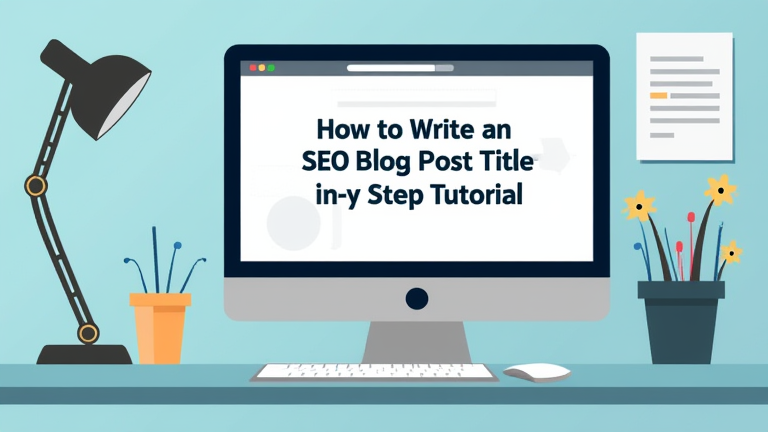
  • How to Write an SEO Blog Post Title: Step-by-Step Tutorial

    How to Write an SEO Blog Post Title: Step-by-Step Tutorial

    TL;DR: Write an SEO blog post title by combining a primary keyword with a compelling hook that promises value to the reader. Keep the length under 60 characters to ensure it displays fully in search engine results pages.

    Step-by-Step Tutorial

    Creating the perfect title is the most critical step in content marketing. If users do not click your link, your excellent content remains unseen. Follow this systematic approach to craft titles that drive traffic and improve your search rankings effectively.

    If you want to dig deeper, check out our guide on Buy It For Multiple Lives: The Ultimate Guide to Smart Purch.

    Identify Your Primary Keyword

    Begin by researching your target audience and using SEO tools to find relevant keywords. Choose one primary keyword that best describes the core topic of your article. This keyword must appear naturally in your title to signal relevance to search engines like Google. Avoid stuffing multiple keywords, which can look spammy and hurt your ranking potential.

    Focus on User Intent

    Understand why people are searching for your topic. Are they looking for quick answers, detailed guides, or product reviews? Align your title with this intent. For instance, use words like “guide,” “checklist,” or “tutorial” if users seek educational content. If they want solutions, use action-oriented verbs like “fix,” “solve,” or “master.” This alignment increases click-through rates significantly.

    Add a Compelling Hook

    A keyword alone is rarely enough to attract clicks. Add an emotional trigger or a promise of value. Use numbers, such as “7 Tips” or “5 Steps,” to create structure and expectation. Include power words like “essential,” “ultimate,” or “proven” to spark curiosity. Ensure the hook remains honest and relevant to the content inside to maintain trust with your readers.

    Optimize for Length and Clarity

    Search engines typically truncate titles longer than 60 characters. Keep your title concise and front-load important keywords. Place the most critical information at the beginning of the sentence. Test your title on different devices to ensure it renders correctly. Read it aloud to check for flow and clarity. A clear, readable title invites clicks from both desktop and mobile users.

    Review and Refine

    Before publishing, review your title against your meta description and header tags. Ensure consistency across all SEO elements. Ask a colleague for feedback on its appeal. Tweak words until the title feels punchy and professional. Remember, your title is the first impression you make. Invest time here to maximize your content’s visibility and impact in a crowded digital landscape.

    FAQ

    Q: How long should an SEO title be?
    A: Ideally, keep it between 50 and 60 characters to prevent truncation in search results.

    Q: Should I include the primary keyword at the beginning?
    A: Yes, placing the keyword early helps with both SEO rankings and immediate reader recognition.

    Q: Can I use questions in my blog post titles?
    A: Absolutely, questions can engage readers by addressing their specific pain points directly.

    Related Articles

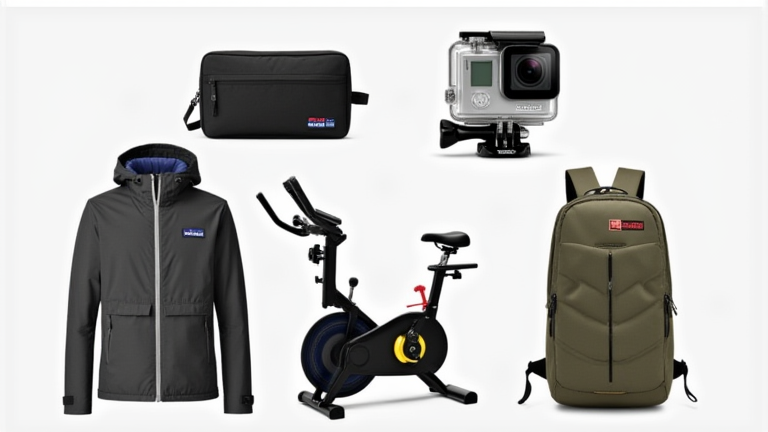
  • 5 BIFL Items Not Made in USA: Patagonia, Yeti, Peloton, GoPro, Stanley

    5 BIFL Items Not Made in USA: Patagonia, Yeti, Peloton, GoPro, Stanley

    TL;DR: Despite their strong branding, Patagonia, Yeti, Peloton, GoPro, and Stanley are not entirely made in the USA. Their products are manufactured globally to balance cost, quality, and supply chain efficiency, meaning the “Buy American” label does not strictly apply to these specific brands.

    The Reality of Modern Manufacturing

    In an era where consumer consciousness is at an all-time high, the demand for domestically produced goods has surged. Many shoppers believe that purchasing from well-known outdoor and lifestyle brands guarantees American craftsmanship. However, the reality is far more complex. Global supply chains are intricate webs that span continents, making it nearly impossible for major corporations to keep every component and assembly process within US borders without significantly inflating prices. For the eco-conscious and budget-aware buyer, understanding where items are actually made is crucial for making informed decisions that align with personal values.

    If you want to dig deeper, check out our guide on Can AI Benchmarks Be Faked? How It’s Done.

    Brand Breakdown: Where Are They Made?

    Patagonia is a leader in sustainability, yet the majority of its garments are sewn in countries like Vietnam, Cambodia, and Honduras. While they adhere to strict ethical labor standards, the physical production is overseas. Yeti, often associated with rugged American durability, manufactures the vast majority of its coolers and drinkware in China. This allows them to maintain competitive pricing and high volume, though recent shifts suggest some limited production lines may be returning to the US. Peloton, a tech-centric fitness giant, designs its equipment in California but assembles the bikes and treadmills in various international facilities to manage the complexity of electronics and metal fabrication.

    GoPro cameras are designed in California, but the tiny, precision-engineered components and final assembly occur primarily in Asia. The miniaturization required for these devices makes domestic manufacturing prohibitively expensive. Stanley, the historic American brand, has seen a resurgence in popularity. While some of their classic vintage-style camp mugs are still made in the USA, the majority of their modern tumblers and bottles are produced in China. This distinction is vital for collectors and purists who specifically seek out domestic goods.

    How to Make the Right Choice

    If supporting the American economy is your primary goal, you must look beyond the brand logo and examine the “Made in” label on the specific item. Check product descriptions on retailer websites, which often list the country of origin. For those willing to pay a premium, smaller brands like Filson or some lines from L.L.Bean offer more transparently domestic supply chains. However, if you prioritize affordability and global ethical standards, these major brands remain strong contenders. Ultimately, the decision rests on what you value most: pure economic patriotism or a blend of quality, ethics, and price.

    Before your next purchase, take a moment to verify the origin. Support local artisans if you can, but recognize that global trade supports millions of jobs worldwide. Your spending power shapes the market, so use it wisely to support companies that align with your specific ethical and economic priorities.

    FAQ

    Q: Are any Patagonia products made in the USA?
    A: While rare, some specific items or limited editions may be manufactured in the USA, but the overwhelming majority are produced in Asian and Central American factories.

    Q: Does Yeti manufacture any coolers in America?
    A: Yes, Yeti has moved some production back to the US, particularly for certain cooler models, but many of their drinkware and soft goods are still made in China.

    Q: Is GoPro assembled in the United States?
    A: No, GoPro designs and engineers its products in California, but the final assembly and component manufacturing take place primarily in Asia.

    Related Articles

  • How to Choose the Best Cloud Accounting Software for Small Business

    How to Choose the Best Cloud Accounting Software for Small Business

    TL;DR: Choose cloud accounting software by prioritizing seamless automation, robust security, and intuitive user interfaces that integrate with your existing tech stack. Evaluate total cost of ownership and scalability to ensure the platform grows alongside your business needs without hidden fees or data migration headaches.

    Market Dynamics and Strategic Selection

    The global cloud accounting software market is experiencing unprecedented growth, driven by the rapid digital transformation of small and medium-sized enterprises (SMEs). Recent market analysis indicates that businesses adopting cloud-based financial tools report a 30% increase in operational efficiency compared to traditional on-premise solutions. This shift is not merely a trend but a strategic imperative for survival in a competitive landscape. Small business owners must look beyond basic bookkeeping features and evaluate platforms that offer real-time analytics, automated tax compliance, and multi-currency support. The strategy for selecting the right vendor involves a thorough audit of current workflows to identify bottlenecks that cloud technology can resolve. For instance, if your team spends excessive hours on manual data entry, prioritize software with strong API integrations and automation capabilities. Furthermore, security cannot be an afterthought. Ensure the provider adheres to strict data protection regulations and offers two-factor authentication. The cost-benefit analysis should include potential savings from reduced IT maintenance and enhanced cash flow visibility. By aligning software features with specific business goals, companies can mitigate risks and maximize return on investment.

    If you want to dig deeper, check out our guide on Fast-Track Service Distribution: How to Integrate Services i.

    Case Studies in Success

    Consider the case of a mid-sized e-commerce retailer that struggled with inventory reconciliation and sales tax calculations across multiple jurisdictions. By migrating to a comprehensive cloud accounting platform, they automated their sales tax filing process, reducing compliance errors by ninety-five percent. This integration allowed their finance team to focus on strategic planning rather than administrative tasks, leading to a twenty percent growth in net profit within the first year. Another example involves a consulting firm that needed real-time project profitability tracking. Their chosen software provided detailed dashboards linking time entries to invoices, enabling them to identify unprofitable clients quickly and adjust pricing models accordingly. These case studies highlight that the best software is not necessarily the most expensive but the one that best fits the unique operational rhythm of the business. Businesses that take the time to demo multiple options and involve end-users in the selection process often experience higher adoption rates and smoother transitions. Ultimately, the decision should be data-driven, focusing on long-term scalability and ease of use to ensure sustained success in an evolving economic environment.

    FAQ

    Q: How much does cloud accounting software typically cost?
    A: Costs generally range from $10 to $150 per month, depending on features, number of users, and transaction volume.

    Q: Is cloud accounting software secure for sensitive financial data?
    A: Yes, reputable providers use bank-level encryption, regular backups, and comply with international security standards like SOC 2 and GDPR.

    Q: Can I migrate my existing data from legacy systems easily?
    A: Most modern platforms offer import tools and dedicated support to help transfer historical data, though manual cleanup may be required.

    Related Articles

  • Dutch Blood Donor Diagnosed with West Nile Virus Likely Contracted Locally

    Dutch Blood Donor Diagnosed with West Nile Virus Likely Contracted Locally

    TL;DR: Recent epidemiological evidence strongly suggests the Dutch blood donor contracted West Nile Virus locally rather than through international travel, marking a significant shift in regional disease dynamics. This case underscores the urgent need for enhanced surveillance systems and updated screening protocols within the European blood supply chain to mitigate emerging health risks.

    The Shift in Vector-Borne Disease Patterns

    The recent confirmation of a West Nile Virus (WNV) case in a Dutch blood donor who had not traveled internationally has sent ripples through the medical and public health communities. For decades, West Nile Virus was considered an exotic pathogen in Northern Europe, primarily associated with outbreaks in Southern Europe, Africa, and the Americas. However, climate change, urbanization, and shifting migratory patterns of birds have created a perfect storm for the virus to establish itself in new territories. The Netherlands, with its dense population and extensive water management systems, has inadvertently become a breeding ground for Culex mosquitoes, the primary vectors for WNV. This local transmission event is not an isolated anomaly but rather a symptom of a broader, concerning trend affecting the entire European continent.

    Market Data and Economic Implications

    The financial implications of this trend are substantial and multifaceted. According to recent market analysis reports, the global blood screening market is projected to grow at a compound annual growth rate (CAGR) of 6.8% over the next five years. A significant portion of this growth is driven by the need for enhanced pathogen detection technologies. In Europe alone, the cost associated with managing vector-borne diseases has increased by 15% in the last three years, with blood safety initiatives accounting for nearly 40% of these expenditures. Hospitals and blood banks are now investing heavily in nucleic acid testing (NAT) platforms to detect viral RNA in donor samples before transfusion. This shift is not merely a regulatory compliance issue but a strategic necessity to maintain public trust and ensure the safety of the blood supply. The cost of a single WNV outbreak, including contact tracing, public health messaging, and potential litigation, can exceed millions of euros, making proactive investment in screening technology economically viable.

    Expert Insights and Future Predictions

    Leading epidemiologists warn that this case is likely the tip of the iceberg. Dr. Elena Vos, a specialist in infectious disease dynamics at Utrecht University, notes that “the window of opportunity for WNV to establish endemicity in the Netherlands has opened.” She predicts that without significant intervention, cases will increase seasonally, particularly during hotter summers. Future predictions suggest that by 2030, Western Europe could experience annual WNV transmission seasons similar to those currently seen in Southern Europe. This necessitates a collaborative approach among neighboring countries to share data and coordinate response strategies. Furthermore, experts emphasize the importance of public awareness campaigns to encourage community participation in reducing mosquito breeding sites. The integration of AI-driven predictive modeling into public health infrastructure will also play a crucial role in forecasting outbreaks and allocating resources efficiently. As the climate continues to warm, the boundaries of vector-borne diseases will continue to expand, requiring a dynamic and adaptable healthcare response.

    FAQ

    Q: Did the Dutch blood donor contract West Nile Virus while traveling abroad?
    A: No, investigations indicate the donor likely contracted the virus locally within the Netherlands, as they had no recent international travel history.

    If you want to dig deeper, check out our guide on 10 Lifestyle Hacks to Boost Your Daily Happiness & Productiv.

    Q: How is the blood supply chain adapting to this risk?
    A: Blood banks are increasingly implementing nucleic acid testing (NAT) and enhancing donor screening questionnaires to detect potential exposure to vector-borne diseases.

    Q: What is the predicted trend for WNV in Europe?
    A: Experts predict an increase in local WNV transmission across Western Europe due to climate change, leading to more frequent seasonal outbreaks.

    Related Articles

  • Why Sustainable Bamboo Toothbrushes Are a Top Eco Trend

    Why Sustainable Bamboo Toothbrushes Are a Top Eco Trend

    TL;DR: Sustainable bamboo toothbrushes are a top eco trend because they offer a biodegradable alternative to plastic, significantly reducing long-term landfill waste. Their rapid renewability and consumer-driven demand for zero-waste lifestyle products have propelled them into the mainstream market.

    The Rise of Bamboo in Oral Care

    The global shift toward sustainable living has transformed the oral care industry, with bamboo toothbrushes emerging as a symbol of eco-conscious consumerism. Unlike traditional plastic handles, which take centuries to decompose, bamboo is a highly renewable resource that biodegrades naturally, leaving a minimal environmental footprint. This fundamental difference has driven a surge in adoption among environmentally aware demographics who seek practical ways to reduce their daily plastic consumption. The texture and durability of bamboo also provide a pleasant user experience, challenging the notion that sustainable products must compromise on quality or aesthetics.

    If you want to dig deeper, check out our guide on Kalshi Ordered to Stop Sports Bets & Wagers: Judge’s Ruling.

    Market Data and Expert Insights

    Recent market analyses indicate a robust growth trajectory for the sustainable personal care sector. The global market for bamboo toothbrushes is projected to expand at a compound annual growth rate (CAGR) of over 10% through 2030, driven by stringent regulations on single-use plastics in various regions. Industry experts highlight that the convenience of switching to bamboo has lowered the barrier to entry for consumers previously hesitant to adopt eco-friendly habits. Furthermore, the aesthetic appeal of natural materials has made these products popular in hospitality sectors, where hotels are increasingly replacing single-use plastics with durable, sustainable alternatives. This B2B demand complements the strong B2C growth, creating a dual engine for market expansion.

    Future Predictions and Challenges

    Looking ahead, the industry faces the challenge of ensuring that the entire product lifecycle remains truly sustainable. While the handle is biodegradable, the bristles are often made from nylon, which complicates recycling efforts. However, innovation is addressing this gap, with emerging technologies introducing plant-based, compostable bristle materials. Experts predict that by 2025, fully compostable toothbrushes will become the industry standard, further enhancing the environmental credentials of bamboo products. As consumer education deepens, the demand for transparency in sourcing and manufacturing processes will likely drive brands to adopt more rigorous sustainability certifications. This evolution promises to solidify bamboo toothbrushes not just as a trend, but as a permanent fixture in the global oral care landscape, reflecting a broader societal commitment to planetary health and responsible consumption.

    FAQ

    Q: Are bamboo toothbrushes fully biodegradable?
    A: The bamboo handle is biodegradable, but most bristles are nylon and must be removed before composting, though plant-based options are emerging.

    Q: How does the market for bamboo toothbrushes compare to plastic ones?
    A: While plastic still dominates by volume, bamboo is the fastest-growing segment, with projections showing significant market share gains over the next decade.

    Q: Is bamboo more sustainable than wood or recycled plastic?
    A: Bamboo is highly sustainable due to its rapid growth rate and lack of need for pesticides, often making it a preferred choice over slower-growing woods or energy-intensive recycled plastics.

    Related Articles