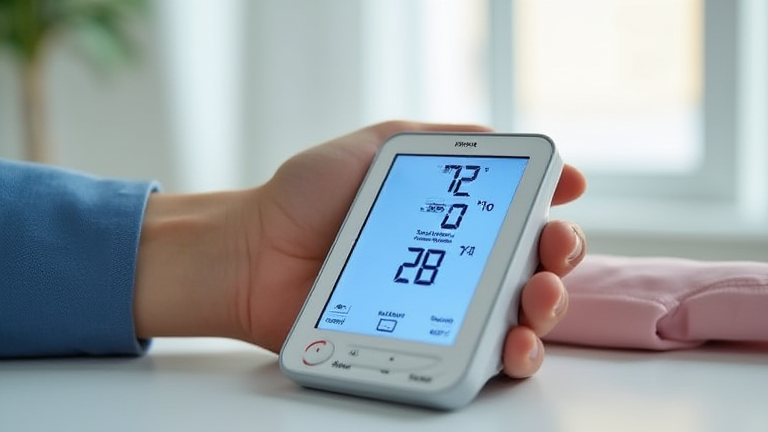
TL;DR: The best blood pressure monitors for accurate home readings are validated upper-arm devices from reputable brands like Omron, Withings, and BP Monitor. Accuracy is determined by the cuff size fitting your arm correctly and the device being certified by recognized medical standards organizations.
Why Home Monitoring Matters
High blood pressure, often called the “silent killer,” affects nearly half of the adult population globally. Regular home monitoring provides a more comprehensive view of your cardiovascular health than occasional clinic visits. Studies show that home readings can help detect “white coat hypertension,” where anxiety at the doctor’s office inflates numbers, or “masked hypertension,” where home readings are higher than clinic measurements. Consistent tracking allows you and your healthcare provider to make data-driven decisions regarding lifestyle changes or medication adjustments.
If you want to dig deeper, check out our guide on Share Big Wins Without Looking Arrogant: A Guide.
Key Features to Look For
When selecting a monitor, prioritize accuracy over flashy features. Look for devices that have undergone validation studies, often listed on the Validated Device List maintained by the American Heart Association or the European Society of Hypertension. The fit of the cuff is critical; a cuff that is too loose will yield falsely high readings, while one that is too tight will yield falsely low readings. Most modern monitors include irregular heartbeat detection, which alerts you if your pulse is irregular during the measurement. Bluetooth connectivity is a useful add-on for automatically syncing data to health apps, ensuring you don’t lose track of trends over time.
Lifestyle Tips for Better Readings
To ensure your data is reliable, follow these science-backed protocols. First, sit quietly for five minutes before taking a measurement. Keep your feet flat on the floor and your back supported. The cuff should be placed on a bare arm, positioned at heart level. Avoid caffeine, exercise, and smoking for at least 30 minutes prior to testing. Consistency is key; take readings at the same times each day, usually in the morning before taking medication and in the evening before bed. Record at least two to three readings, separated by one minute, and average them to get a reliable baseline. If you notice significant discrepancies between home and clinic readings, discuss this with your doctor immediately, as it may indicate a need for further diagnostic testing or a change in therapeutic strategy.
FAQ
Q: How often should I take my blood pressure at home?
A: Ideally, you should take readings twice a day, in the morning and evening, for several days in a row to establish an accurate baseline, especially when starting a new medication or diet plan.
Q: Is an upper-arm monitor more accurate than a wrist monitor?
A: Yes, upper-arm monitors are generally considered more accurate because they are less sensitive to hand positioning and movement, whereas wrist monitors require your wrist to be held at heart level to function correctly.
Q: What should I do if my home readings are consistently higher than clinic readings?
A: This may indicate white coat hypertension, where stress in medical settings raises your pressure. Discuss these logs with your doctor, as home readings often provide a truer picture of your daily cardiovascular stress levels.
Leave a Reply