7 Sneaker Trends Taking Over Streetwear Right Now
TL;DR: The current sneaker market is defined by a surge in sustainable materials and a revival of chunky, retro silhouettes. These trends are driven by Gen Z’s demand for authenticity and ethical production, reshaping retail strategies globally.
The global sneaker industry continues to expand at a rapid pace, with market analysts projecting a compound annual growth rate of 6.5% through 2030. This growth is not merely quantitative but qualitative, reflecting a shift in consumer values. Today, buyers are no longer satisfied with simple exclusivity; they demand stories, sustainability, and style versatility. The intersection of streetwear and high fashion has blurred the lines, making sneakers a primary vehicle for self-expression rather than just footwear.
If you want to dig deeper, check out our guide on Is the Apple Watch Series 9 Worth It for Health Tracking.
The Dominance of Retro Chunkiness
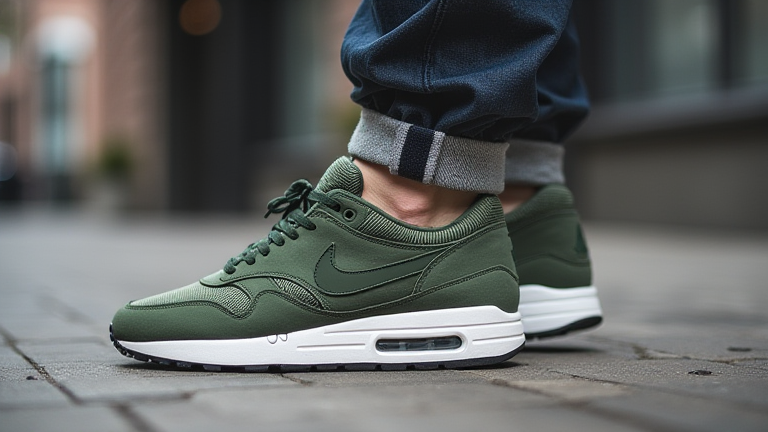
One of the most prominent trends is the continued reign of the “dad shoe” aesthetic. Brands like New Balance and Asics have capitalized on this by releasing updated versions of their 90s classics. According to recent retail data, chunky-soled sneakers account for nearly 40% of all streetwear footwear sales. Industry experts note that this trend persists because it offers a comfortable, utilitarian look that pairs well with both casual and semi-formal outfits. The tactile nature of these shoes, often featuring mesh and synthetic overlays, appeals to a tactile, nostalgic sensibility that resonates deeply with younger demographics.
Sustainability as a Luxury
Perhaps the most significant shift is the integration of sustainable materials. Major players are moving away from virgin leather and synthetic plastics, opting for recycled ocean plastics, mushroom-based leather, and algae foam. Nike’s Space Hippie line and Adidas’ Futurecraft.Loop have set a precedent, proving that eco-friendly does not have to mean aesthetically compromised. Market research indicates that 70% of consumers under 30 are willing to pay a premium for products with verified sustainability credentials. This is not just a marketing ploy; it is a fundamental restructuring of supply chains. Experts predict that within five years, sustainability certifications will be as standard as size charts, becoming a baseline requirement rather than a differentiator.
The Rise of Collaborative Exclusivity
While mass-market sneakers are becoming more accessible, high-end collaborations remain the heartbeat of the industry. However, the nature of these collabs is changing. Instead of just logo slaps, brands are partnering with artists and cultural figures to create limited-run pieces that tell a specific story. These items often sell out within minutes, driving resale values up by 300%. This scarcity model creates a digital community frenzy, where social media engagement drives sales more effectively than traditional advertising. The future of sneaker culture lies in this hybrid model: affordable, sustainable staples for daily wear, and high-concept, exclusive pieces for collectors.
As we look to the future, expect to see more technology integrated into footwear, such as adaptive soles that adjust to terrain or embedded health tracking sensors. The line between fashion and function is disappearing. Brands that fail to adapt to the dual demand for ethical production and technological innovation will likely lose market share to agile, smaller competitors who prioritize transparency and community engagement. The sneaker industry is no longer just about what you wear on your feet; it is about the values you project and the community you belong to.
FAQ
Q: Why are sustainable sneakers more expensive than traditional ones?
A: The higher cost is due to the research and development required for new materials and the complexity of supply chains that ensure ethical sourcing and lower carbon footprints.
Q: Will the chunky sneaker trend fade away soon?
A: Industry analysts suggest that while extreme styles may cycle, the preference for comfort and retro aesthetics is a long-term shift, meaning chunky silhouettes will likely remain mainstream for at least the next decade.
Q: How can consumers verify the sustainability claims of sneaker brands?
A: Look for third-party certifications such as B Corp status or specific material certifications like G
Leave a Reply