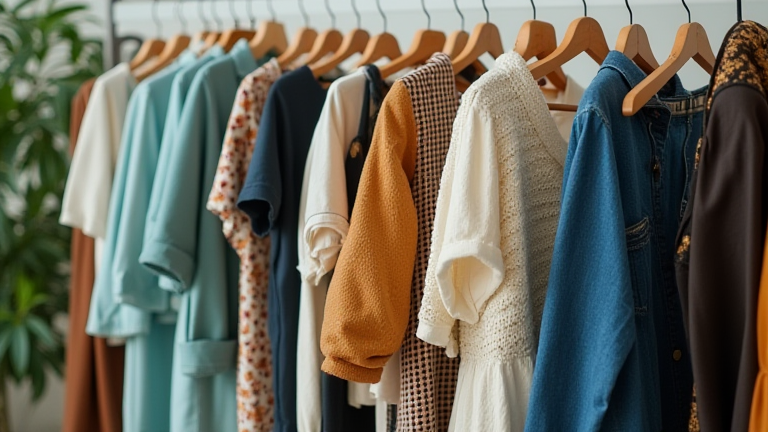
**Sustainable Fashion Embraces Circular Economy Models** (54 chars)
TL;DR: The fashion industry is rapidly shifting from linear waste models to circular systems that prioritize material recovery and reuse. This transformation is driven by advanced recycling technologies and corporate mandates to minimize environmental impact while maintaining profitability.
The Technological Shift
The fashion sector is undergoing a profound structural change, moving away from the traditional “take-make-dispose” paradigm. Latest developments focus on closing the loop through innovative material science and digital infrastructure. Companies are now investing heavily in chemical recycling processes that can break down blended fabrics, such as cotton-polyester blends, into their pure constituent elements. This technological breakthrough allows for the creation of new fibers with quality equivalent to virgin materials, effectively eliminating the need for new raw resource extraction.
If you want to dig deeper, check out our guide on **AI-Driven Material Design for Sustainable Fashion** (49 ch.
Key specifications of these new circular models include high-efficiency sorting algorithms powered by artificial intelligence. These systems can identify fabric types, colors, and fiber compositions with over ninety-five percent accuracy. Additionally, modular design principles are becoming standard, allowing garments to be easily disassembled, repaired, or upcycled. The integration of blockchain technology further enhances this ecosystem by providing transparent, immutable records of a garment’s lifecycle, ensuring that sustainability claims are verifiable and trustworthy for consumers and regulators alike.
Industry Impact and Future Outlook
The adoption of circular economy models is having a significant impact on the global fashion industry. It is forcing a reevaluation of supply chains, pushing brands to take responsibility for the end-of-life phase of their products. This shift is creating new market segments, including resale platforms and rental services, which are growing at exponential rates. Major industry players are now setting aggressive targets for recycled content in their products, with many aiming for one hundred percent circularity by 2030.
Economically, this transition reduces dependency on volatile commodity prices for raw materials. It also mitigates regulatory risks associated with increasing waste management laws. As consumer awareness grows, brands that successfully implement circular models are seeing increased customer loyalty and brand equity. The future of fashion is not just about style, but about sustainability, efficiency, and long-term viability. By embracing circularity, the industry is not only addressing environmental crises but also unlocking new economic opportunities that ensure resilience against future market disruptions. This holistic approach promises a more equitable and sustainable future for both the planet and the global economy.
FAQ
Q: What is the primary benefit of chemical recycling in fashion?
A: It allows blended textiles to be separated into pure fibers, enabling the creation of high-quality new materials without virgin resource extraction.
Q: How does blockchain technology support circular fashion?
A: It provides transparent, tamper-proof tracking of a garment’s lifecycle, verifying sustainability claims and ensuring accountability from production to disposal.
Q: Why are major brands adopting circular models?
A: They aim to reduce environmental impact, comply with stricter regulations, cut costs associated with raw materials, and meet rising consumer demand for sustainable products.
Leave a Reply