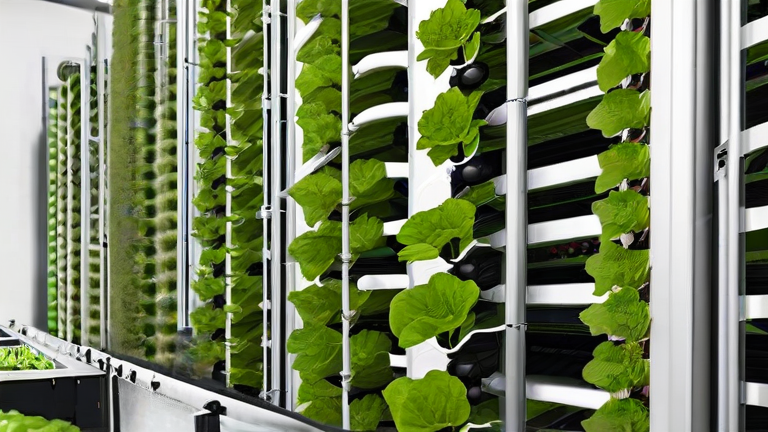
TL;DR: Vertical farming secures urban food supply chains by decoupling agriculture from weather and geography, ensuring year-round local production. This innovation transforms city centers into resilient food hubs, reducing waste and enhancing access to fresh, nutritious produce.
The Rise of the Urban Garden
For centuries, the distance between the farm and the fork was dictated by geography and season. Today, that gap is closing rapidly, not through new roads or faster trucks, but through the vertical expansion of agriculture itself. In the heart of bustling metropolises like Singapore, Tokyo, and New York, towering structures are quietly revolutionizing how we think about food. These are not just green buildings; they are high-tech vertical farms that promise to reshape urban resilience. The cultural shift is palpable. Food is no longer just a commodity to be imported from distant fields; it is a local asset, grown with precision and care right in the cityscape. This change fosters a deeper connection between urban dwellers and their food sources, turning abstract concerns about sustainability into tangible, daily realities.
If you want to dig deeper, check out our guide on **Sustainable Fashion Embraces Circular Economy Models** (54.
From a personal growth perspective, engaging with local food systems offers a profound sense of agency. When you know exactly where your lettuce was grown and how it was harvested, the act of eating becomes a conscious choice rather than a passive habit. It encourages mindfulness and a renewed appreciation for the labor and technology behind a simple salad. This cultural shift is about more than just nutrition; it is about reclaiming autonomy in an increasingly globalized and fragile world. The modern urbanite is no longer a passive consumer but an active participant in a localized food ecosystem. This empowerment is a key driver of the vertical farming movement, appealing to those who value transparency and control over their dietary inputs.
Resilience in a Changing Climate
The primary argument for vertical farming is security. Traditional agriculture is vulnerable to droughts, floods, and extreme weather events that are becoming more frequent due to climate change. Vertical farms, housed in controlled environment agriculture (CEA) systems, are immune to these external shocks. They operate independently of seasons, providing a consistent supply of fresh greens and herbs regardless of the weather outside. This stability is crucial for urban supply chains, which often suffer from disruptions and high volatility. By moving production closer to consumption, vertical farms drastically reduce the carbon footprint associated with transportation. The miles between farm and store are replaced by steps or short drives, cutting down on fuel consumption and emissions.
Furthermore, the water efficiency of vertical farms is staggering. Using hydroponic or aeroponic systems, these farms recycle water, using up to 95% less than traditional field agriculture. This is a critical advantage in water-scarce cities. The technology also allows for the elimination of pesticides, as the closed environment prevents pest entry. This results in cleaner produce that is safer for consumers and better for the environment. The integration of IoT sensors and AI ensures that every plant receives exactly what it needs, optimizing growth rates and yields. This precision is not just efficient; it is a testament to human ingenuity in solving complex logistical and environmental challenges. It represents a fusion of nature and technology that defines the modern urban landscape.
FAQ
Q: Are vertical farms economically viable compared to traditional farming?
A: While the initial setup costs are high, vertical farms achieve viability through high crop density, year-round production, and reduced transportation costs, particularly for high-value leafy greens and herbs.
Q: Can vertical farms produce staple crops like wheat or corn?
A: Currently, vertical farms are most efficient for high-value, fast-growing crops like lettuce, spinach, and strawberries. Staple grains require too much space and energy, making them less suitable for vertical systems.
Q: How does vertical farming impact local employment in cities?
A: It creates new job categories in tech, agriculture, and data analysis, shifting the workforce from traditional field labor to specialized technical roles within urban centers.
Leave a Reply