Microbiome Breakthroughs: New Gut Health Research
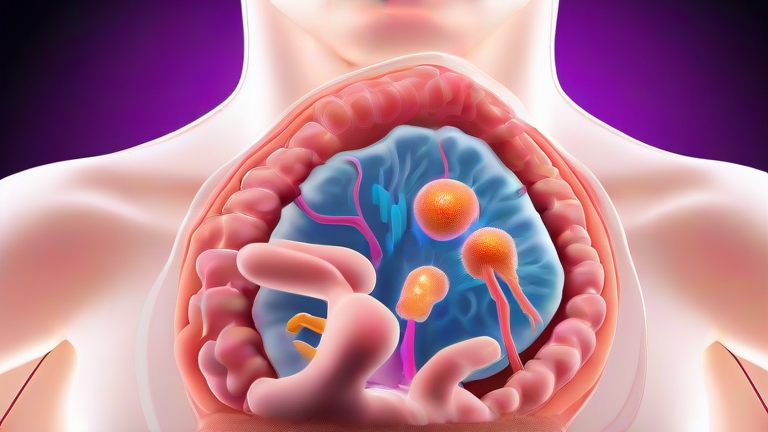
For decades, the human gut was viewed merely as a digestive engine, a passive tube responsible for breaking down meals and absorbing nutrients. However, recent scientific breakthroughs have revolutionized this understanding, revealing the microbiome as a complex, living ecosystem that dictates our mood, immunity, and even our cravings. This new era of gastro-intestinal science offers more than just medical advice; it invites us to rethink our relationship with food, travel, and personal well-being. The journey to optimal health is no longer just about counting calories; it is about cultivating biodiversity within.
The Culinary Passport to Wellness
Food is the primary interface between our environment and our internal biology. Recent studies suggest that the “Western diet,” high in processed sugars and low in fiber, is rapidly eroding microbial diversity. Conversely, traditional diets from cultures that have practiced fermentation for centuries, such as the Korean kimchi culture or the Scandinavian pickling traditions, boast significantly richer microbiomes. Travelers are now beginning to seek out these culinary experiences not just for flavor, but for microbial inoculation. Visiting a local market in Tokyo to sample traditional miso or exploring a street food stall in Mexico City for fresh salsa can be seen as a form of biological tourism, introducing beneficial bacteria to a modern, often sterile, gut landscape.
If you want to dig deeper, check out our guide on Boost Mental Health With Personalized AI Apps.
Culture and Connection
The gut-brain axis, a bidirectional communication network linking the enteric nervous system to the central nervous system, has become a focal point of personal growth movements. Researchers are finding that specific strains of probiotics can influence neurotransmitter production, affecting anxiety and stress levels. This insight encourages a shift in how we approach mental health, moving away from solely internal psychological fixes to include external biological support. Mindful eating, a practice rooted in mindfulness meditation, allows individuals to reconnect with the act of nourishment, reducing stress responses that negatively impact gut motility and enzyme production.
Related Articles
Leave a Reply