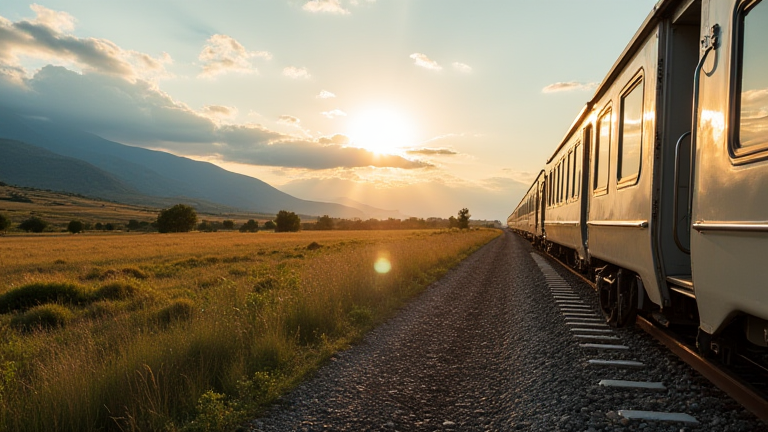
TL;DR: Slow travel by rail means replacing rushed point-to-point trips with fewer stops, longer stays, and scenic overland routes that let you experience the journey itself as part of the destination. Build an itinerary around one region, book flexible tickets, and plan for two to four nights per stop so rail days stay relaxed rather than transactional.
Step 1: Choose a Region, Not a Checklist
Pick one corridor or region you can cross comfortably in a single rail journey — the Alps, the Iberian Peninsula, the Rhine Valley, or Japan’s Kansai region. Resist the urge to cover five countries in ten days. Slow travel works best when you can return to a place instead of racing past it.
If you want to dig deeper, check out our guide on Quantum-Safe Encryption: The New Procurement Must-Have.
Step 2: Map the Rail Spine First
Identify the main line that connects your chosen stops, then look for branch lines and scenic routes that feed into it. Use national rail operator sites and a route planner to confirm schedules and journey times. Note where connections are tight and where a missed train would strand you for hours.
Step 3: Set a Two-to-Four-Night Minimum
Give each stop at least two nights, and three or four for larger cities or hiking bases. This pacing is the core of slow travel: it creates room for unplanned walks, local markets, and rest days that a tightly packed itinerary never allows.
Step 4: Book Flexible Fares
Where available, choose flexible or semi-flexible tickets and rail passes over deeply discounted fixed-time fares. Flexibility is worth a modest premium on a slow itinerary because it lets you stay an extra day when a place surprises you — or leave early when it doesn’t.
Step 5: Treat Rail Days as Destination Days
Schedule scenic segments for daylight hours and pack a lunch rather than relying on onboard catering. On long legs, plan a deliberate stopover in a small town instead of a tight connection. A four-hour layover becomes a memorable afternoon rather than dead time.
Tips for a Smooth Trip
Travel with one carry-on-sized bag so platform transfers and stairs stay easy. Reserve seat assignments on popular routes and holiday weekends. Download offline timetables and keep paper copies of key reservations. Build a buffer of at least 45 minutes for cross-border connections, and always confirm platform changes on departure boards rather than trusting an app alone.
FAQ
Q: How many stops should a two-week rail itinerary include?
A: Aim for four to six stops with two to four nights each, which leaves room for scenic travel days and spontaneous detours without constant packing.
Q: Is a rail pass cheaper than individual tickets?
A: It depends on your route and flexibility needs — passes win on long, multi-country itineraries with frequent travel, while advance-purchase point-to-point tickets are usually cheaper for short, fixed plans.
Q: How do I handle luggage on slow rail trips?
A: Pack a single carry-on and a small daypack, use station lockers for short stopovers, and choose accommodations within walking distance of stations to avoid repeated transfers.
Leave a Reply