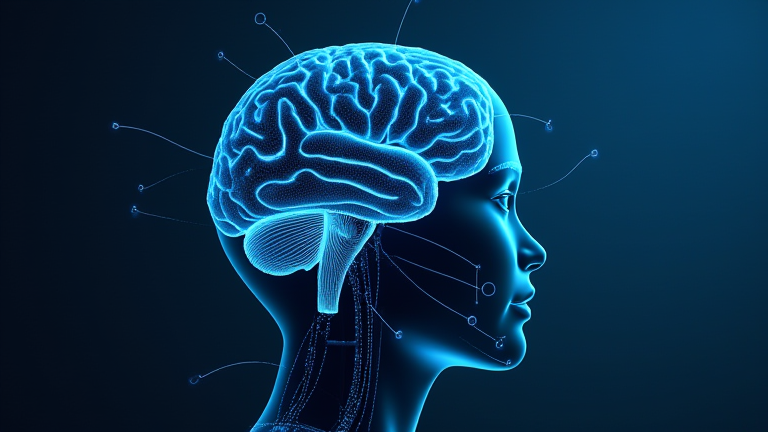
BCI Medical Approval: Brain-Computer Interfaces Go Clinical
TL;DR: Brain-computer interfaces have officially secured regulatory clearance for clinical use, marking a pivotal moment in medical history. This breakthrough allows patients with severe paralysis to regain digital autonomy through thought-controlled devices.
The landscape of modern healthcare is shifting rapidly as we move beyond passive monitoring into active neural engagement. For years, brain-computer interfaces (BCIs) were confined to sterile laboratories, viewed as speculative technology rather than viable medical tools. However, recent regulatory approvals have dismantled these barriers, bringing this futuristic capability into the realm of practical patient care. This transition is not merely a technical achievement; it is a profound cultural shift that redefines what we consider possible in human resilience and technological integration. As we stand on the precipice of this new era, the implications extend far beyond the hospital room, touching on our deepest understandings of identity, agency, and connection.
If you want to dig deeper, check out our guide on 7 Essential Features of the Best Espresso Machine.
Redefining Personal Autonomy
For individuals with conditions like amyotrophic lateral sclerosis (ALS) or spinal cord injuries, the loss of motor function often entails a loss of independence. BCI technology restores a vital link between intention and action, allowing users to communicate, browse the internet, or control smart home environments using only neural signals. This restoration of agency is a powerful narrative of personal growth, demonstrating that the human spirit can adapt to profound physical changes through technological partnership. It challenges societal perceptions of disability, suggesting that limitations are not fixed states but conditions that can be mitigated through innovation and collaboration.
Cultural Implications of Neural Connectivity
As BCIs become more accessible, they invite a broader cultural conversation about the boundaries of the self. If our thoughts can be translated into digital actions, where does the mind end and the machine begin? This question mirrors broader societal debates about artificial intelligence and virtual reality. Just as social media has altered how we form communities and share stories, neural interfaces may reshape how we experience empathy and communication. We are witnessing the dawn of a new cultural epoch where technology is not just a tool we use, but an extension of our cognitive identity. This integration demands ethical frameworks that prioritize privacy, consent, and equitable access, ensuring that this powerful technology benefits society as a whole rather than creating new divides.
FAQ
Q: Are BCIs safe for long-term use?
A: Current clinical trials indicate high safety profiles, though long-term effects are still being monitored to ensure no adverse neural impacts.
Q: Who is eligible for BCI implantation?
A: Primary candidates are individuals with severe paralysis or communication disorders who have exhausted other therapeutic options.
Q: How does this impact daily life?
A: It enables users to operate digital devices independently, significantly enhancing their quality of life and social connectivity.
Leave a Reply