
AI Agents Automate Enterprise Workflows | Boost Efficiency
The enterprise technology landscape is undergoing a seismic shift as Artificial Intelligence transitions from passive analytical tools to active autonomous agents. Unlike traditional chatbots that simply retrieve information, modern AI agents possess the capability to perceive, reason, and act. This evolution marks a critical juncture in digital transformation, promising to revolutionize how corporations manage complex operational workflows. The latest generation of agents is not just answering questions; they are executing tasks, making decisions, and coordinating with other software systems to drive tangible business outcomes.
Recent developments in Large Language Models (LLMs) have been the primary catalyst for this change. These models are now integrated with sophisticated reasoning engines and tool-use capabilities. Specifications for these new agents highlight their ability to navigate multi-step processes without human intervention. For instance, an autonomous procurement agent can now identify a supply chain disruption, negotiate with vendors via email, update inventory databases, and alert logistics managers—all within minutes. This level of autonomy significantly reduces latency and minimizes the risk of human error, which has historically plagued repetitive administrative tasks.
If you want to dig deeper, check out our guide on Urban Vertical Farming: Reducing Food Miles & Boosting Susta.
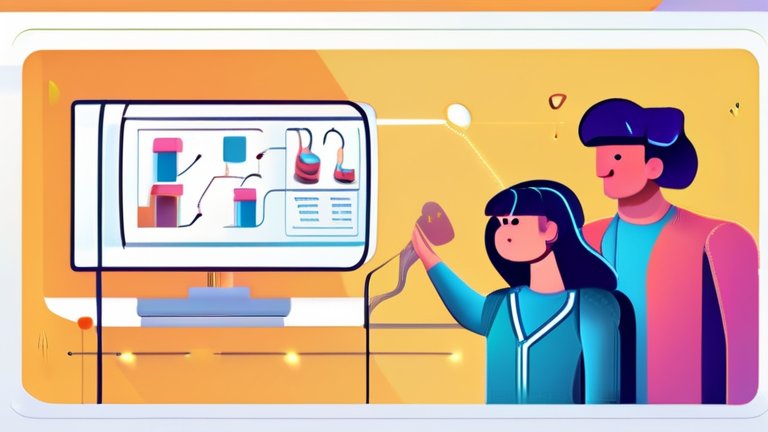
The technical architecture behind these agents relies on robust API integrations and secure data pipelines. Security remains a paramount concern, leading to the adoption of “guardrailed” agents that operate within strictly defined permission boundaries. These systems are designed to ensure that sensitive enterprise data is never exposed to unauthorized endpoints while still allowing the agent sufficient access to perform its duties. Furthermore, the integration of Retrieval-Augmented Generation (RAG) ensures that agents provide accurate, context-aware responses grounded in the company’s proprietary knowledge base, rather than relying solely on pre-trained public data.
The industry impact of this technological leap is profound. Sectors such as finance, healthcare, and manufacturing are seeing immediate returns on investment. In financial services, autonomous agents are automating compliance checks and fraud detection, reducing processing times from days to seconds. In healthcare, administrative agents are streamlining patient scheduling and insurance verification, allowing medical professionals to focus more on patient care. According to recent industry reports, enterprises adopting AI agent workflows report a 30 to 40 percent increase in operational efficiency, translating to significant cost savings and improved
Leave a Reply