Urban Vertical Farming: Reducing Food Miles & Boosting Sustainability
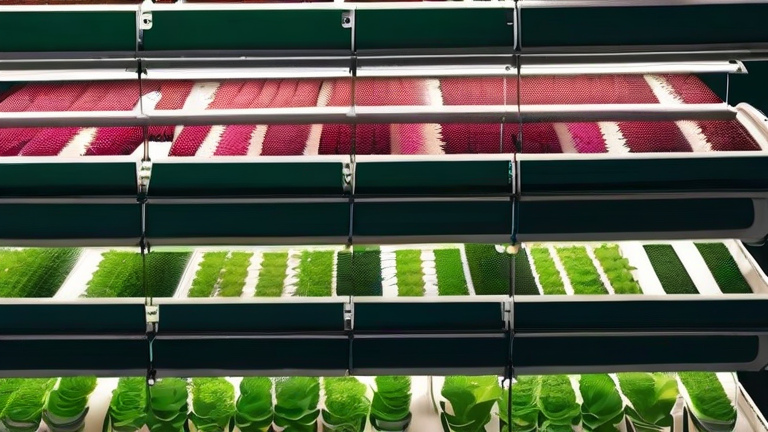
As global populations surge and arable land shrinks, the traditional agricultural model is facing unprecedented strain. Enter urban vertical farming, a revolutionary approach that reimagines food production by stacking crops in controlled, indoor environments. This method not only maximizes yield per square foot but also drastically cuts “food miles”—the distance food travels from farm to plate. By locating farms within city limits, vertical agriculture addresses critical logistics challenges while offering a sustainable solution to modern food security issues.
The market for vertical farming is expanding rapidly, driven by consumer demand for locally sourced, pesticide-free produce. According to recent industry reports, the global vertical farming market is projected to reach billions of dollars by the end of the decade. This growth is fueled by technological advancements in LED lighting, hydroponics, and AI-driven climate control. Investors are increasingly recognizing the scalability of these systems, which offer predictable yields regardless of external weather conditions. However, high initial capital expenditure and energy costs remain significant barriers to entry, requiring strategic financial planning and innovative operational models.
If you want to dig deeper, check out our guide on EV Charging Infrastructure Booms: The Future of Green Energy.
Strategic Insights for Growth
For businesses entering this sector, success hinges on optimizing energy efficiency and supply chain integration. A key strategy involves partnering with local retailers and restaurants to ensure immediate distribution, thereby minimizing waste and maximizing freshness. Companies must also invest in renewable energy sources, such as solar or wind, to mitigate the high electricity demands of artificial lighting. Furthermore, leveraging data analytics to fine-tune growing conditions can enhance crop quality and reduce resource consumption, creating a competitive advantage in an increasingly crowded market.
Case Studies in Innovation
Several pioneering companies illustrate the potential of this model. AeroFarms, based in Newark, New Jersey, operates one of the world’s largest indoor farms. By using aeroponic technology, they consume 95% less water than traditional field farming and produce year-round crops without soil. Their strategic location allows them to supply fresh greens to major metropolitan areas, significantly reducing transportation emissions. Similarly, Bowery Farming in New York has integrated advanced robotics and machine learning to optimize
Leave a Reply