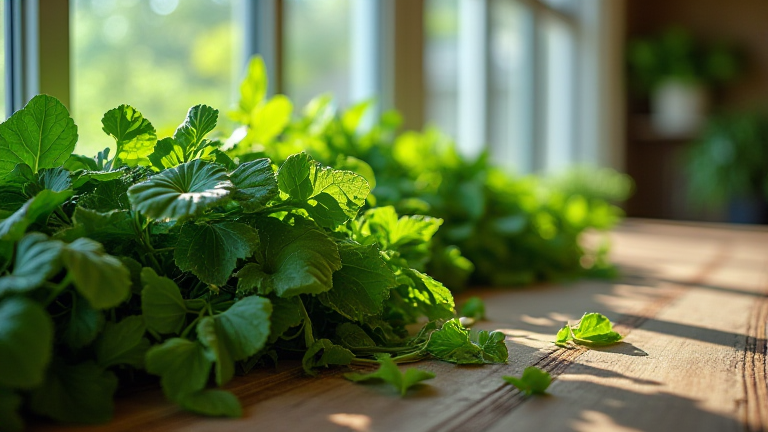
Urban Farming Reduces City Food Miles: Benefits & Guide

The concept of food miles refers to the distance food travels from farm to plate. In modern urban environments, this distance is often excessive, contributing significantly to carbon emissions and reducing nutritional value. Urban farming offers a revolutionary solution by bringing production closer to consumption. This shift not only enhances community resilience but also promotes personal health and environmental sustainability. By growing your own food, you actively participate in a sustainable cycle that benefits both your body and the planet.
The Science Behind Shorter Supply Chains
Research indicates that produce harvested locally retains higher levels of vitamins and antioxidants. Traditional supply chains often require picking fruits and vegetables weeks before they are ripe to survive long transit times. This early harvesting degrades nutritional content. In contrast, urban farmers can harvest crops at peak ripeness, ensuring maximum nutrient density. Furthermore, reducing transportation distances directly lowers greenhouse gas emissions. Each mile saved means less fossil fuel consumption, contributing to cleaner air in densely populated areas. This environmental impact is a crucial aspect of holistic wellness, linking personal health with planetary health.
If you want to dig deeper, check out our guide on Hybrid Work Policies: Navigating the Shift from Remote Work.
Getting Started: Practical Tips for Beginners
Starting an urban garden does not require a large backyard. Balconies, windowsills, and even indoor spaces are viable options. Begin with container gardening using lightweight, well-draining soil mixes. Choose crops that thrive in your specific light conditions. Leafy greens like lettuce, spinach, and kale are excellent for beginners because they grow quickly and require minimal space. Herbs such as basil, mint, and cilantro are also ideal for small containers. Invest in quality pots with drainage holes to prevent root rot. Consistent watering and adequate sunlight are essential for healthy growth.
Integrating Farm-to-Table into Daily Life
Urban farming encourages mindful eating habits. When you grow your own food, you develop a deeper appreciation for the effort involved in cultivation. This connection often leads to increased consumption of fresh produce. Consider joining local community gardens to share resources and knowledge with neighbors. These spaces foster social cohesion and provide educational opportunities about sustainable agriculture. Additionally, compost
Leave a Reply