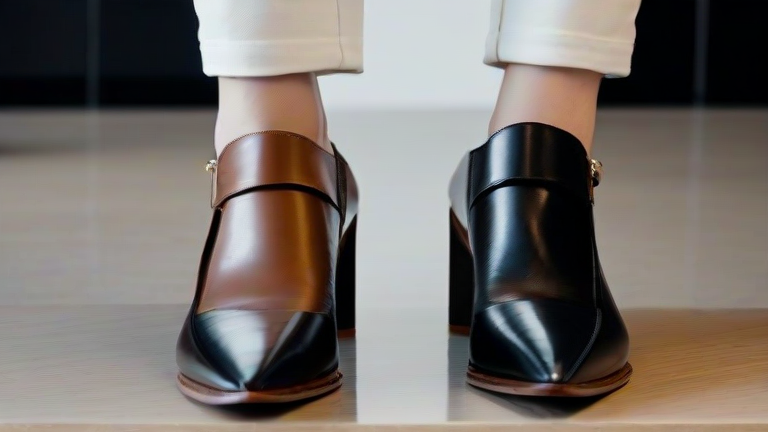
TL;DR: Lab-grown leather, also known as cultured or bio-fabricated leather, is created by cultivating animal cells in a controlled laboratory environment to produce a material identical to traditional hide without slaughtering animals. This innovative process significantly reduces environmental impact by eliminating the need for vast grazing lands, lowering water consumption, and removing toxic chemical treatments associated with conventional tanning.
Understanding the Bio-Fabrication Process
The journey from a petri dish to a high-end fashion accessory begins with cellular agriculture. Scientists extract a small biopsy of cells from a living animal, such as a cow, without harming it. These cells are placed in a nutrient-rich medium that encourages rapid multiplication. Unlike traditional farming, which requires years of growth, lab-grown cells can reach sufficient density in just a few weeks. This efficiency is the cornerstone of its sustainability, allowing for scalable production that meets global fashion demands while respecting ethical boundaries.
If you want to dig deeper, check out our guide on Top 10 Emerging Trends Reshaping Your Industry in 2024.
Step-by-Step Cultivation Guide
Step 1: Cell Selection and Isolation
Begin by sourcing high-quality fibroblast and keratinocyte cells from ethical suppliers. Ensure the cells are free from contamination. Use sterile techniques to isolate these cells, as purity is critical for the structural integrity of the final leather product. Any bacterial presence can ruin the entire batch, leading to significant financial loss.

Step 2: Nutrient Medium Preparation
Prepare a specialized growth medium containing amino acids, vitamins, and growth factors. This mixture mimics the natural environment of the animal’s body, signaling the cells to divide and organize. The composition of this medium is a closely guarded secret among major bio-fabrication companies, but transparency is increasing as the industry matures. Consistent monitoring of pH levels and temperature is essential during this phase.
Step 3: Scaffold Integration
Once the cells have multiplied sufficiently, introduce them to a biodegradable scaffold. This scaffold provides the structural framework necessary for the cells to attach, grow, and differentiate into skin-like tissue. Common materials include collagen or synthetic polymers that degrade over time, leaving behind pure biological leather. The scaffold determines the thickness and texture of the final material.
Tips for Success
Maintain strict sterility protocols throughout the entire process. Even minor contamination can compromise the entire production run. Invest in high-quality bioreactors that allow for precise control over environmental conditions. Additionally, stay informed about emerging technologies in synthetic biology, as this field is evolving rapidly. Collaborating with academic institutions can provide access to cutting-edge research and potential funding opportunities for startups in this space.
FAQ
Q: Is lab-grown leather durable enough for everyday use?
A: Yes, modern bio-fabricated leather has been tested to match or exceed the durability, tear strength, and flexibility of traditional animal leather, making it suitable for shoes, bags, and automotive interiors.
Q: Does lab-grown leather smell like real leather?
A: While it shares a similar organic scent, some consumers note a subtle difference. However, manufacturers are working on post-processing techniques to enhance the authentic aroma if desired.
Q: How much cheaper is lab-grown leather compared to premium animal leather?
A: Currently, it is often more expensive due to the high costs of research and production. However, as scaling technologies improve, prices are expected to drop significantly, potentially rivaling or undercutting premium animal leather costs within the next decade.
Leave a Reply