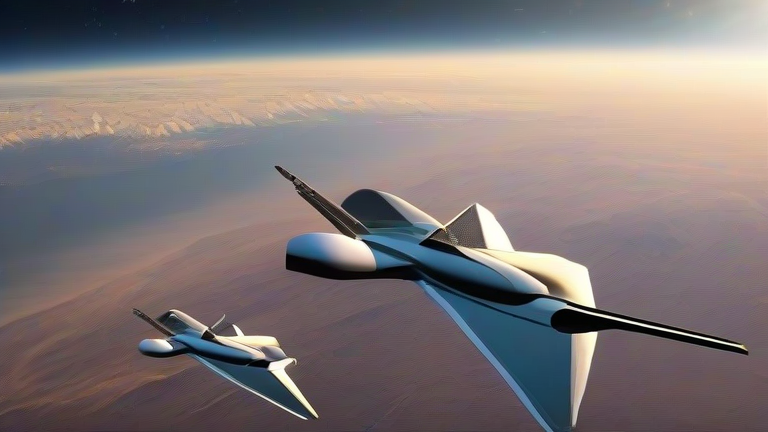
TL;DR: Suborbital space tourism offers a unique perspective on Earth but is currently accessible only to the wealthy due to exorbitant costs. While it poses minimal immediate health risks, rigorous screening ensures only physically fit individuals can participate in these brief, high-G experiences.
The dream of touching the edge of space is no longer confined to astronauts. Companies like Blue Origin and Virgin Galactic are pioneering suborbital flights that allow civilians to experience weightlessness and view the planet from above. However, this thrilling adventure comes with significant physical and financial considerations that potential travelers must understand before booking their ticket to the stratosphere.
## Physical Preparation and Health Requirements
Before embarking on a suborbital journey, candidates undergo stringent medical screenings. The primary concerns include cardiovascular health and the ability to withstand high G-forces during launch and re-entry. According to aerospace medicine specialists, candidates must have no history of heart conditions, high blood pressure, or inner ear problems that could be exacerbated by rapid acceleration.
To prepare, aspiring space tourists should focus on cardiovascular fitness. Regular aerobic exercise, such as running, swimming, or cycling, strengthens the heart and improves overall endurance. This preparation helps the body handle the physiological stress of the flight more effectively. Additionally, core strengthening exercises can help stabilize the body during the high-G phases, reducing discomfort and potential injury risks.
## Lifestyle Adjustments for Spaceflight
The experience of a suborbital flight is brief, typically lasting around ten to fifteen minutes of weightlessness. During this time, passengers may experience mild nausea, dizziness, or anxiety. To mitigate these effects, it is advisable to avoid heavy meals and alcohol for at least 24 hours before the flight. Staying hydrated is crucial, as dehydration can worsen motion sickness symptoms.
Moreover, mental preparation plays a vital role in ensuring a positive experience. Practicing mindfulness or relaxation techniques can help manage anxiety. Visualizing the flight sequence and understanding the safety protocols can also reduce fear of the unknown. Many companies offer pre-flight simulations that help passengers acclimate to the environment and the sensations they will encounter.
## Safety and Long-Term Health Impacts
Current data suggests that suborbital flights are safe for healthy individuals. The G-forces experienced, while intense, are comparable to those felt in commercial aviation maneuvers. However, the radiation exposure during a brief suborbital flight is negligible, posing no significant long-term health risks. Unlike orbital flights, which expose astronauts to higher radiation levels, suborbital trajectories do not take passengers into the van Allen belts.
Despite the safety record, it is essential to view space tourism as an experimental activity. Future advancements in spacecraft design and safety protocols may further reduce risks. For now, it remains a luxury experience reserved for those who can afford the cost and meet the rigorous health standards.
## Making the Experience Accessible
As technology evolves, costs may decrease, making space tourism more accessible. In the meantime, those interested in space-related wellness can explore Earth-based alternatives. Paragliding, skydiving, and zero-gravity planes offer similar sensations of weightlessness and adventure without the extreme cost. These activities can serve as excellent training for future space travelers or as fulfilling experiences in their own right.
Ultimately, suborbital space tourism represents a new frontier in human experience. It challenges us to consider our place in the universe while pushing the boundaries of human endurance and technology. For those who can make it happen, it is a journey that promises to change perspectives forever.
FAQ
Q: How long does a suborbital flight last?
A: The entire experience, including preparation and post-flight debriefing, takes about a full day, but the actual time in space with weightlessness lasts approximately 3 to 10 minutes.
If you want to dig deeper, check out our guide on Autonomous Delivery Drones in Urban Areas: Benefits & Challe.
Q: Can people with minor health issues fly?
A: No, candidates must pass rigorous medical screenings; conditions like heart disease, high blood pressure, or inner ear
Leave a Reply