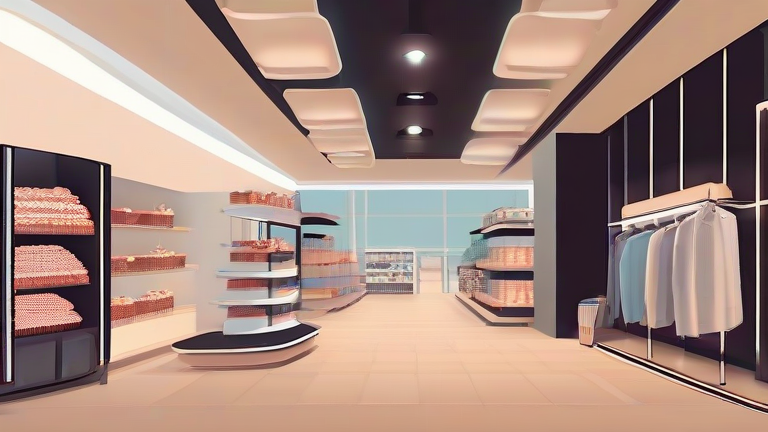
TL;DR: Metaverse retail drives immersive shopping by blending digital avatars, virtual goods, and interactive 3D environments to create engaging brand experiences. This approach transforms passive browsing into active participation, fostering deeper customer loyalty through gamified interactions and social connectivity.
Building the Virtual Storefront
Creating a compelling metaverse retail experience begins with selecting the right platform. Choose a virtual world that aligns with your target demographic, whether it is Roblox for younger audiences or Decentraland for crypto-savvy consumers. Once the platform is selected, design your virtual storefront to reflect your brand identity seamlessly. Use high-fidelity 3D modeling to create realistic textures and lighting that mimic physical stores, but leverage the unique capabilities of the digital realm to create impossible architectural feats that captivate visitors.
If you want to dig deeper, check out our guide on Boost Grid Stability with Smart Home Energy Systems.
Integrate interactive elements that encourage exploration. Instead of static product displays, allow users to pick up, rotate, and examine items in three-dimensional space. This tactile interaction reduces uncertainty about product quality and fit, bridging the gap between online and offline shopping. Incorporate spatial audio to enhance immersion, ensuring that every click, footstep, and interaction feels natural and grounded within the virtual environment. This sensory richness is crucial for maintaining user engagement and preventing digital fatigue.
Enhancing Engagement Through Gamification
To drive sustained interest, incorporate gamification mechanics into your retail strategy. Offer rewards for exploring different sections of your virtual store, such as exclusive digital wearables or discounts on physical merchandise. Create scavenger hunts where users must solve puzzles or find hidden items to unlock special offers. This not only increases time spent in the virtual space but also creates memorable associations with your brand. Social features are equally important; allow users to invite friends, chat via voice or text, and share their discoveries on social media platforms.

Collaborate with influencers and other brands to host events within your virtual space. Live concerts, product launches, and exclusive previews can draw large crowds and generate significant buzz. Ensure that these events are accessible and easy to navigate, providing clear signage and intuitive controls for new users. Remember that the metaverse is not just a sales channel but a community hub. Foster a sense of belonging by creating spaces where users can socialize, not just shop.
Measuring Success and Iterating
Track key performance indicators specific to the metaverse, such as user engagement time, social interactions, and conversion rates for both digital and physical goods. Use this data to refine your strategy continuously. Experiment with new features and gather feedback from your community to understand what resonates with them. Stay agile and adapt to emerging technologies and trends in the virtual space. By prioritizing user experience and community building, you can create a metaverse retail presence that stands out and drives long-term value.
FAQ
Q: What is the primary benefit of metaverse retail?
A: The primary benefit is the ability to create highly immersive, interactive, and social shopping experiences that increase customer engagement and brand loyalty.
Q: Which platforms are best for starting a metaverse store?
A: The best platform depends on your target audience, with Roblox being ideal for Gen Z and Decentraland suitable for users interested in Web3 and digital assets.
Q: How can I measure success in the metaverse?
A: Success is measured by tracking metrics like user engagement time, social interactions, event attendance, and conversion rates for both virtual and physical products.
Leave a Reply