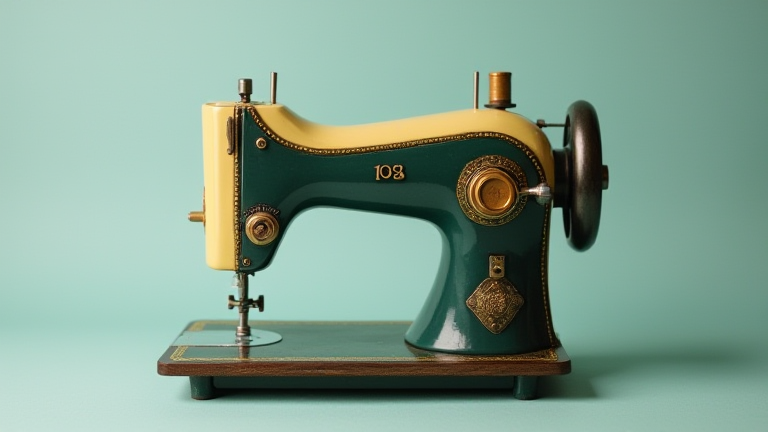
TL;DR: Identify a high-quality vintage sewing machine by checking the brand reputation, inspecting the metal construction for heavy-duty durability, and verifying the internal mechanism for smooth operation. Look for iconic models from Singer, Bernina, or Pfaff, which hold significant resale value and are prized for their longevity and precision engineering in modern textile work.
The Renaissance of Mechanical Precision

The tech world is currently experiencing a surprising renaissance of mechanical precision. While modern electronics dominate the industry, vintage sewing machines represent the pinnacle of analog engineering. These devices are not merely relics; they are robust tools that have influenced contemporary manufacturing standards. The latest developments in the textile industry have actually led designers to revisit these mechanical masters, seeking the consistent stitch quality that digital machines often struggle to replicate without complex software adjustments.
Identifying the Gems
When scouring thrift stores, the first indicator of quality is the material. Authentic vintage machines are predominantly cast iron, weighing significantly more than modern plastic counterparts. This weight provides stability, reducing vibration during high-speed operations—a critical spec for professional tailors. Brands like Singer, established in the late 19th century, set the industry standard. Their “27” or “221” Featherweight models are legendary. To spot a true find, inspect the bedplate for crisp, legible branding. Faded or missing decals often indicate poor maintenance or restoration, which can devalue the item.
Furthermore, the internal mechanism must be flawless. A genuine vintage machine operates with a specific tactile feedback. When you turn the handwheel, it should move smoothly without grinding or sticking. The bobbin case should release thread evenly, a testament to the precision machining of the era. Modern replicas often lack this refined engineering, resulting in uneven tension and skipped stitches. The industry impact of preserving these machines extends beyond aesthetics; it promotes sustainability by reducing e-waste and encouraging a repair-over-replace mindset. Collectors are increasingly interested in models that feature unique attachments, such as buttonholers or embroidery feet, which add functional versatility to the antique chassis.
Market Value and Restoration
The market for these machines has stabilized, with pristine examples fetching premium prices online. However, the real value lies in their usability. A well-maintained vintage machine can outlast its owner, offering a tangible connection to industrial history. Restoration involves cleaning old oil, replacing worn belts, and oiling the internal gears with modern synthetic oils compatible with vintage mechanisms. This process restores the machine’s original performance specs, making it a viable tool for modern quilting, heavy denim work, and delicate silk handling.
FAQ
Q: What is the most valuable vintage sewing machine brand?
A: Singer is generally considered the most valuable and collectible, particularly the Featherweight 221 and early models from the 1920s and 1930s.
If you want to dig deeper, check out our guide on Truth Social: 10+ Firms Pay Up to $100K/Month for Fast Post .
Q: How can I test if a vintage machine is in good working order?
A: Turn the handwheel to check for smooth motion, test the foot pedal for consistent speed control, and sew on fabric to ensure even tension and no skipped stitches.
Q: Do vintage machines require special maintenance?
A: Yes, they require specific vintage sewing machine oil for internal gears and should be kept free of dust and moisture to prevent rust on the cast iron body.
Leave a Reply