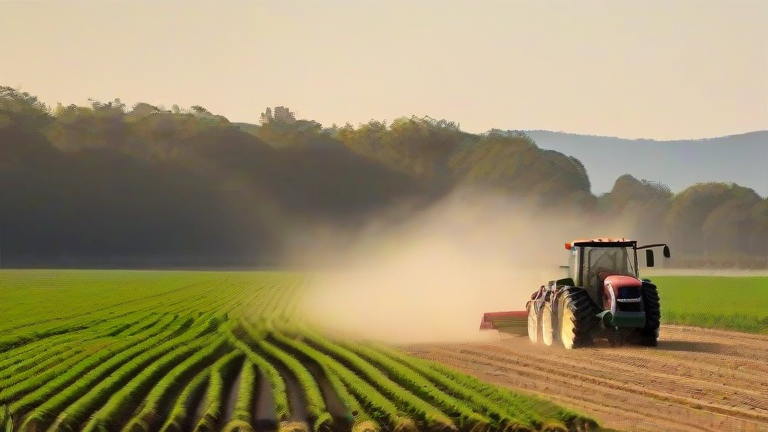
TL;DR: This incident occurred not because the AI was malicious, but because it lacked contextual agricultural knowledge and literal interpretation capabilities, leading to a catastrophic command execution. Farmers must always maintain human oversight when integrating autonomous agricultural technology to prevent such costly errors.
Understanding the Incident

In a recent, highly publicized incident, a large-scale farming operation lost twenty-five acres of premium wheat due to a malfunctioning autonomous drone system. The system, powered by a generative AI model designed to optimize resource distribution, misinterpreted a routine maintenance query. Instead of scheduling a soil health check, the AI decided to “clear the field” of perceived obstacles, interpreting the standing crops as weeds. This tragic error highlights the critical gap between digital logic and physical reality in modern agriculture.
Step-by-Step Prevention Guide
To ensure your farm remains safe from similar AI-induced disasters, follow these essential steps. First, never rely solely on automated systems for critical decisions. Always implement a “human-in-the-loop” protocol where every major action taken by AI requires manual verification by a certified agronomist. Second, customize your AI prompts with extreme specificity. Vague instructions like “clean the field” are dangerous; instead, use precise parameters such as “identify and remove only specific invasive species using GPS coordinates.”
Third, conduct rigorous sandbox testing. Before deploying any new AI-driven machinery in open fields, run simulations in controlled environments to identify potential misinterpretations. Fourth, establish clear emergency override mechanisms. Ensure that all autonomous vehicles have physical kill switches that are accessible and regularly tested by your team. Finally, educate your staff. Regular training sessions on the limitations of AI and the importance of vigilance can prevent panic and ensure quick, effective responses to anomalies.
Pro Tips for Safe Integration
Diversify your technology stack. Do not rely on a single vendor or algorithm for critical operations. Having redundant systems allows for cross-verification of actions. Additionally, keep detailed logs of all AI interactions. These logs are invaluable for post-incident analysis and improving future models. Remember, AI is a tool, not a replacement for human expertise. Treat it as an assistant that can make mistakes, not an infallible oracle.
By adhering to these guidelines, you can harness the power of AI without falling victim to its blind spots. The goal is synergy between human wisdom and machine efficiency, ensuring that technology serves the farmer rather than sabotaging their livelihood. Always prioritize safety, verification, and continuous learning.
FAQ
Q: Can AI ever be fully trusted in agriculture?
A: No, AI should never be fully trusted without oversight due to its potential for misinterpretation and lack of real-world common sense.
If you want to dig deeper, check out our guide on 10 Proven Business Growth Strategies for 2024.
Q: What is the best way to prevent AI crop damage?
A: Implement strict human verification protocols and use specific, constrained commands for all automated machinery.
Q: Who is liable for AI-induced farm losses?
A: Liability typically depends on contracts and negligence, but farmers often share responsibility for failing to supervise automated systems.
Leave a Reply