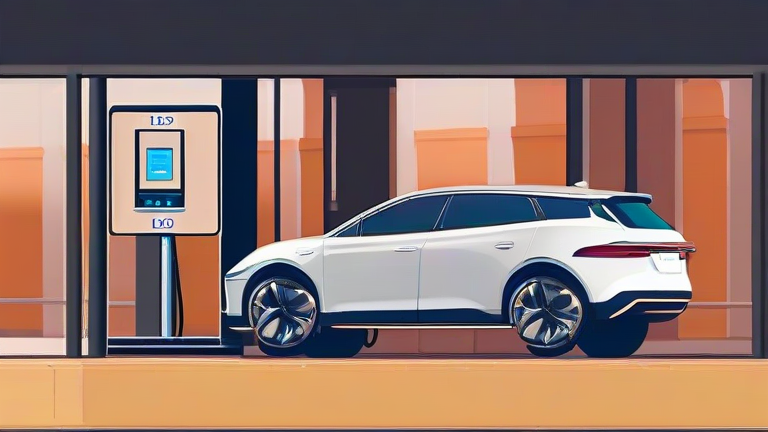
Expanding Electric Vehicle Charging Infrastructure: What You Need to Know
The transition to electric mobility is no longer a futuristic concept; it is a present reality reshaping our daily routines and urban landscapes. As governments and private enterprises accelerate the deployment of charging networks, understanding the implications for your health and lifestyle becomes crucial. This shift is not merely about swapping fuel types; it represents a fundamental change in how we interact with our environment and prioritize our well-being.
The Air Quality Connection
One of the most significant health benefits of expanding electric vehicle (EV) infrastructure is the immediate improvement in local air quality. Internal combustion engines emit particulate matter and nitrogen oxides, pollutants linked to respiratory issues, cardiovascular disease, and cognitive decline. By reducing the number of gas-powered cars on the road, cities can significantly lower ambient pollution levels. Science-backed studies indicate that cleaner air leads to fewer asthma attacks in children and reduced hospital admissions for heart conditions in elderly populations. When you choose to charge an EV, whether at home or work, you are actively participating in a public health initiative that protects vulnerable communities.
Integrating Wellness into Your Routine
Charging an electric vehicle offers unique opportunities to integrate mindfulness and physical activity into your daily schedule. Unlike the quick refueling of a gas car, charging times—especially with Level 2 chargers—provide a window of twenty to forty minutes. Use this time for “active recovery.” Step away from your screen and take a brisk walk around your neighborhood or office complex. This short burst of moderate exercise can boost circulation, reduce stress, and improve mental clarity. Additionally, consider charging during moments of stillness. While the car charges, practice deep breathing exercises or listen to a guided meditation. This transforms a passive wait time into an active wellness break.
Community and Connectivity
New charging stations often serve as community hubs, fostering social connections in public spaces. Visit these locations during off-peak hours to engage with neighbors or read a book in a park adjacent to the charger. This social interaction is vital for mental health, combating isolation and promoting a sense of
Leave a Reply