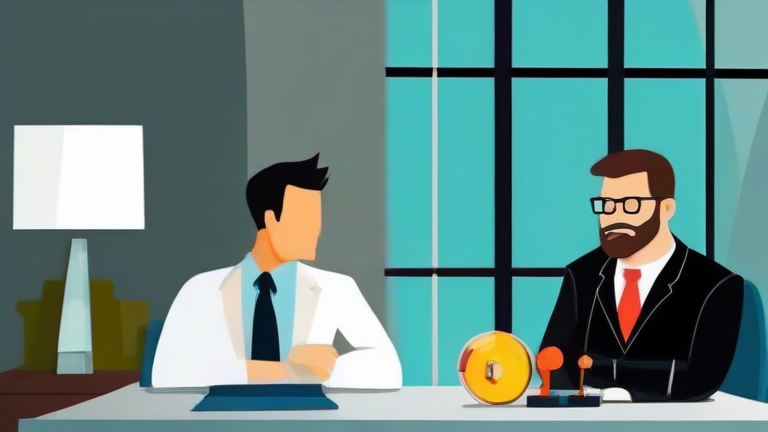
TL;DR: A toxic business partner early on won’t get better; it will only compound. Early detection and decisive action are critical to preserving your startup’s value and your mental health.
The Silent Killer of Startup Momentum
In the high-stakes world of technology startups, founders often focus heavily on product-market fit, fundraising, and scaling infrastructure. However, one of the most devastating yet overlooked risks is the presence of a toxic co-founder or key business partner. Recent industry reports indicate that nearly forty percent of startup failures are linked to interpersonal conflicts rather than technical debt or market conditions. This statistic underscores a hard truth: human capital issues are often more lethal than code bugs. When a partner exhibits narcissistic tendencies, chronic unreliability, or unethical behavior, these traits do not dissipate with time. Instead, they exacerbate under pressure, leading to catastrophic decision-making and a fractured team culture.
Latest Developments in Founder Conflict Resolution
The tech industry is seeing a shift in how early-stage companies handle partnership disputes. Venture capital firms are increasingly demanding rigorous founder alignment checks before writing checks. New legal frameworks and founder agreements now include specific clauses addressing vesting schedules, IP ownership, and dispute resolution mechanisms that are more robust than ever before. These developments reflect a growing awareness that legal protections must evolve alongside the dynamic nature of modern tech ecosystems. Furthermore, accelerators and incubators are integrating psychological compatibility assessments into their selection processes. This proactive approach aims to identify potential red flags before they become unmanageable liabilities.
Specs of a Toxic Partnership
Identifying toxicity requires looking beyond surface-level disagreements. Key indicators include consistent breach of trust, lack of accountability, and an unwillingness to compromise on core values. In technical terms, think of it as a critical system failure where the primary node refuses to sync with the rest of the cluster. If a partner consistently misses deadlines, hides critical information from investors, or undermines your authority in front of employees, these are not minor glitches. They are symptoms of a deeper structural flaw. The “specs” of a healthy partnership include transparency, shared vision, and mutual respect. Without these, the entire architecture of the business becomes unstable.
Industry Impact and Strategic Implications
The impact of toxic partnerships extends far beyond the founding team. Investors lose confidence, leading to delayed funding rounds or lowered valuations. Employees become disengaged, resulting in high turnover rates and decreased productivity. The broader industry suffers as innovation is stifled by internal drama rather than driven by creative problem-solving. Companies that manage to navigate these challenges often emerge stronger, having established clearer governance structures and more resilient team dynamics. However, the cost of such resilience is often significant, both financially and emotionally. Therefore, the most strategic move is prevention. Founders must prioritize cultural fit and ethical alignment just as heavily as technical skill during the initial partnership formation.
FAQ
Q: Can a toxic business partner change over time?
A: No, toxic behaviors typically worsen under stress and rarely improve without intensive, voluntary intervention and a genuine willingness to change.
If you want to dig deeper, check out our guide on Why Do People Avoid Fat? Calories or Other Reasons?.
Q: What legal steps should I take if I identify a toxic partner early?
A: Consult with a startup attorney to review your founders’ agreement, focusing on vesting schedules, IP assignment, and exit clauses to protect your interests.
Q: How does a toxic partnership affect investor confidence?
A: Investors view founder conflict as a major red flag, often leading to reduced funding, lower valuations, or complete withdrawal of investment offers due to perceived high risk.
Leave a Reply