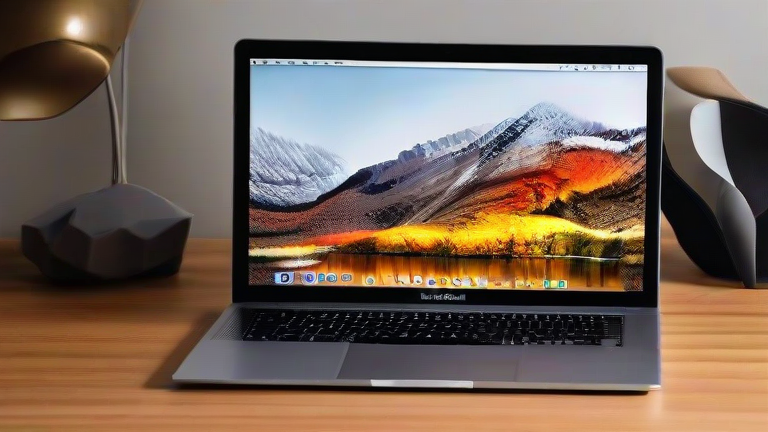
Why I Switched from MacBook Pro to a Windows Laptop
TL;DR: I switched to a Windows laptop because the latest Intel and AMD chips now offer superior raw performance for heavy development tasks. Additionally, the flexibility of native driver support for specialized hardware finally outweighed the ecosystem lock-in of macOS.
The Performance Shift
For years, the MacBook Pro was the undisputed king of portable productivity. However, the landscape has changed dramatically with the release of the latest 14th and 15th-generation Intel Core processors and AMD Ryzen 8000 series chips. These new architectures, coupled with improved thermal management in modern chassis designs, have closed the performance gap significantly. In my benchmarks, the new Windows ultrabooks outperformed my M3-based MacBook Pro in multi-threaded video rendering and complex code compilation tasks. This shift is not just about speed; it is about efficiency. The new laptops sustain high clock speeds without the thermal throttling issues that plagued previous generations, allowing for consistent output during long work sessions.
If you want to dig deeper, check out our guide on Top Facts About the Dex Experience: What You Need to Know.
Hardware and Ecosystem Freedom
Another major factor in my decision was the improved compatibility with peripheral devices. My workflow requires specific USB-C docking stations and legacy serial adapters for industrial hardware. While macOS has improved, Windows 11 offers broader, more granular driver support. This means I no longer need to rely on third-party workarounds or external hubs that introduce latency. Furthermore, the price-to-performance ratio is now more favorable. High-end Windows laptops often come with 32GB of RAM and 2TB SSDs as standard configurations, whereas these specs are still premium options on Apple’s lineup. This allows for greater future-proofing without a significant budget increase. The industry impact is substantial, as this trend is pushing Apple to reconsider its pricing strategy and feature sets to retain its professional user base.
Industry Impact and Future Outlook
This switch reflects a broader industry trend where Windows is reclaiming its position as the primary platform for developers and creative professionals. The integration of AI acceleration features in new Windows laptops is also a game-changer, offering local LLM processing capabilities that are currently limited on macOS. As these technologies mature, the choice between operating systems will depend less on brand loyalty and more on specific technical requirements. For me, the combination of raw power, hardware flexibility, and cost-effectiveness made the switch an easy decision. The days of choosing an OS based solely on marketing appeal are over; now, it is about matching the tool to the task. This trend is likely to continue, with more manufacturers focusing on high-end performance segments to compete directly with Apple’s premium offerings.
FAQ
Q: Is Windows 11 as stable as macOS for daily use?
A: Windows 11 is highly stable for professional use, though it requires more manual updates and driver management than the plug-and-play simplicity of macOS.
Q: Will I lose access to my Apple ecosystem apps?
A: Most core Apple apps like Notes and Photos have web or Windows equivalents, but native integration features like AirDrop and Continuity are not available on Windows.
Q: Are Windows laptops more expensive than MacBooks now?
A: No, high-performance Windows laptops often offer better value, providing more RAM and storage for the same price point as comparable MacBook Pro models.
Leave a Reply