TL;DR: Hybrid work and AI are reshaping office design by prioritizing flexible, collaborative zones over static desks. To optimize space for the future, companies must leverage data-driven insights to create environments that boost focus, wellness, and connectivity.
The Shift from Desks to Destinations
The post-pandemic era has fundamentally altered how we perceive the office. It is no longer a place for passive labor but a destination for active collaboration, innovation, and social connection. Artificial Intelligence (AI) plays a pivotal role in this transition by analyzing usage patterns and environmental data to inform design decisions. By understanding when, where, and how employees work, organizations can eliminate wasted square footage and repurpose it for high-value interactions. This data-driven approach ensures that every corner of the office serves a specific psychological and professional purpose, moving away from one-size-fits-all layouts toward dynamic, responsive spaces.
If you want to dig deeper, check out our guide on Why the MacBook Pro M4 Chip Beats Intel for Video Editing.
Science-Backed Design Principles
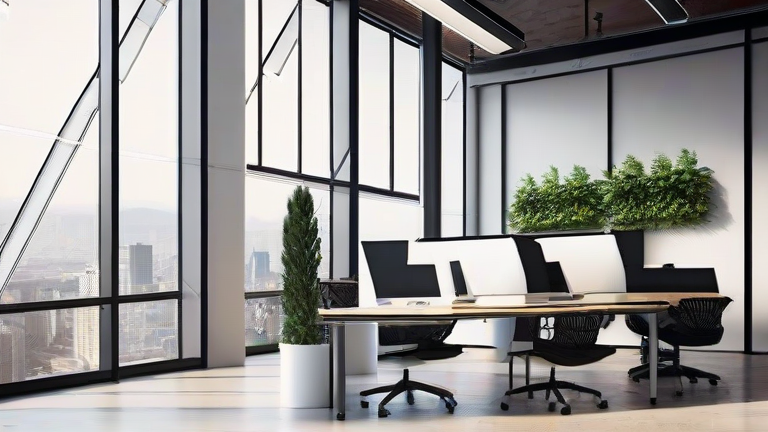
Research in environmental psychology suggests that our surroundings significantly impact cognitive performance and emotional well-being. Therefore, modern office design must incorporate biophilic elements, such as natural light, plants, and organic materials, which have been proven to reduce stress and increase creativity. Furthermore, acoustic control is critical. Open plans, while fostering visibility, often lead to distraction. AI-driven sensors can monitor noise levels in real-time, prompting adjustments to lighting or suggesting quiet hours. Creating distinct zones for deep focus, casual conversation, and team collaboration allows employees to choose the environment that best suits their current task. This autonomy over one’s workspace enhances job satisfaction and productivity, aligning with the core benefits of hybrid models.
Lifestyle Tips for the Hybrid Professional
While the physical space is optimized, individual habits also play a crucial role in leveraging these new environments. First, establish a clear boundary between work and rest. When transitioning from home to the office, use the commute, however short it may be, as a mental buffer to switch modes. Second, prioritize movement. Sedentary behavior is a major health risk; utilize standing desks or take walking meetings to keep the body active. Third, engage in “micro-breaks” using AI-scheduled reminders to step away from screens and stretch. These small, consistent actions protect long-term health and maintain high energy levels throughout the day.
Wellness as a Strategic Asset
Health and wellness are no longer peripheral benefits but central to office strategy. Access to wellness amenities, such as meditation rooms, fitness facilities, or healthy food options, signals organizational care and supports employee retention. AI can help personalize these offerings by tracking aggregate health trends and suggesting wellness programs that resonate with the workforce. For instance, if data shows high stress levels during certain times of the week, management can schedule team-building activities or mental health workshops during those periods. This proactive approach to wellness fosters a culture of resilience and support, making the office a true sanctuary for professional and personal growth.
FAQ
Q: How does AI specifically improve office space utilization?
A: AI analyzes real-time data on occupancy, noise, and environmental conditions to identify underused areas and optimize layouts for maximum efficiency and comfort.
Q: What are the key health benefits of a well-designed hybrid office?
A: A well-designed office reduces stress through biophilic elements, improves cognitive focus via acoustic control, and promotes physical health by encouraging movement and breaks.
Q: Should companies eliminate all permanent desks in favor of hot-desking?
A: Not necessarily; while hot-desking can save space, many roles benefit from having a dedicated anchor point. A balanced approach with a mix of fixed and flexible seating often yields the best results.
Leave a Reply